
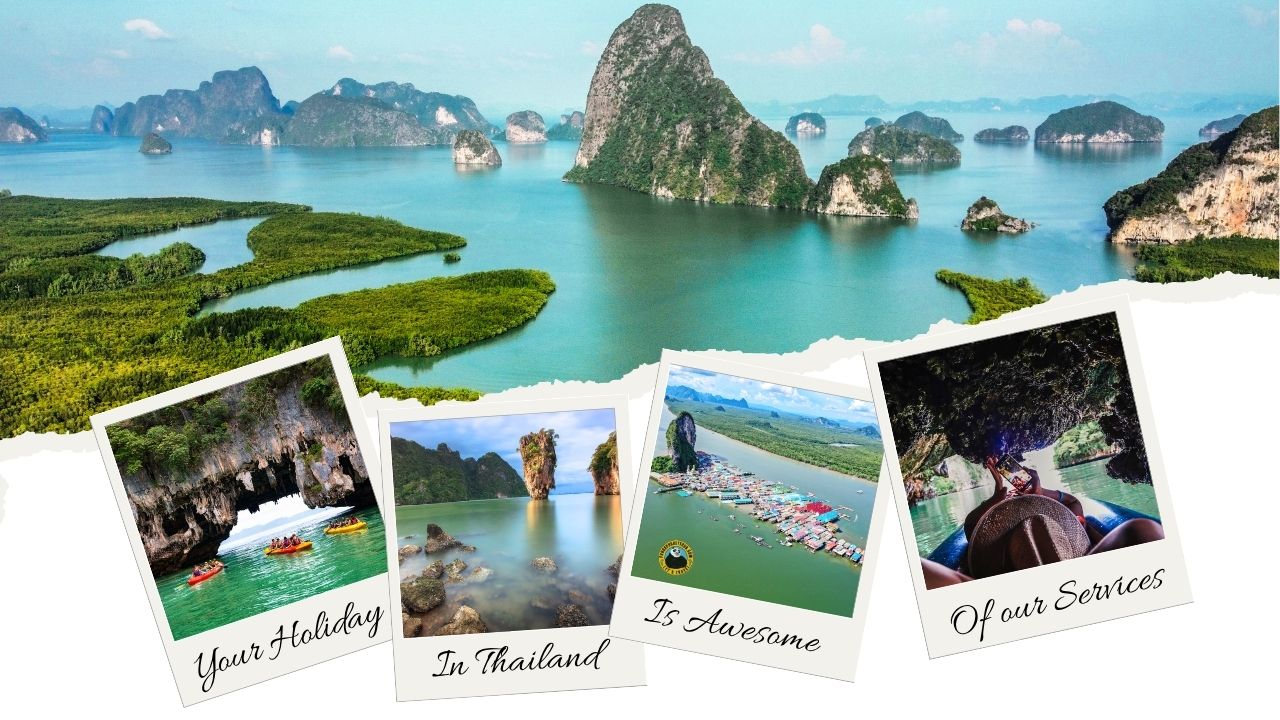
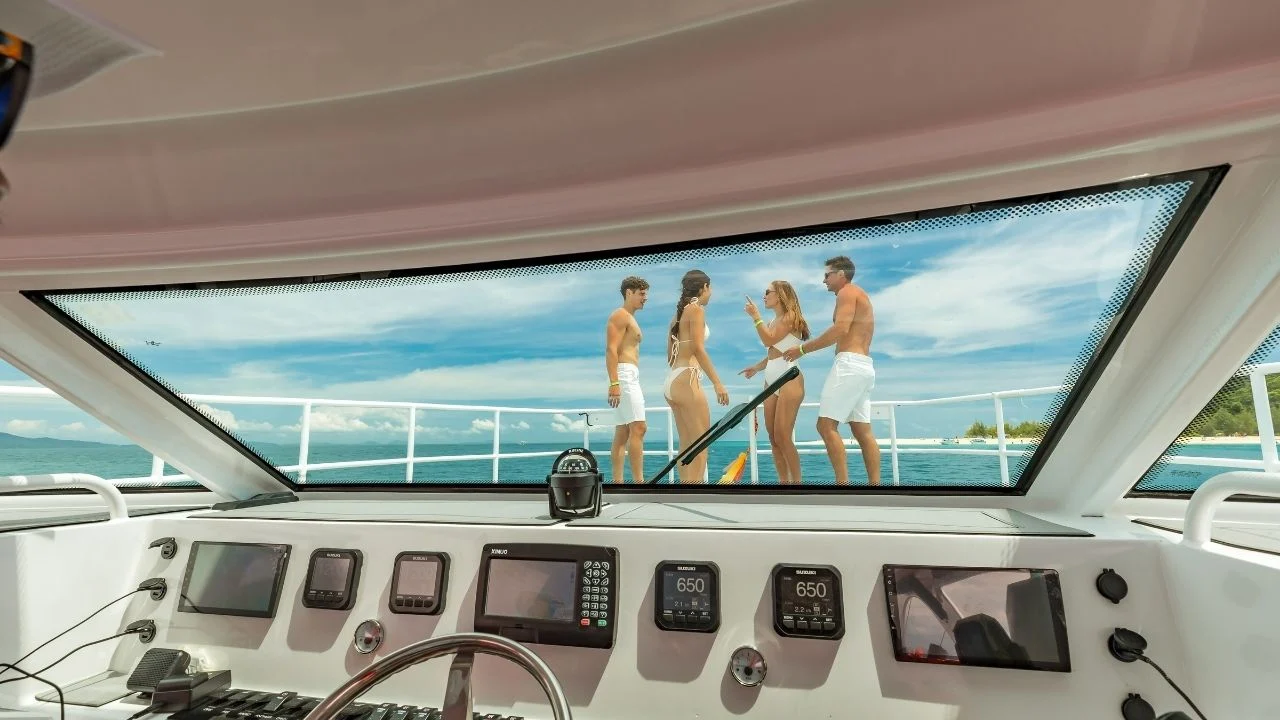
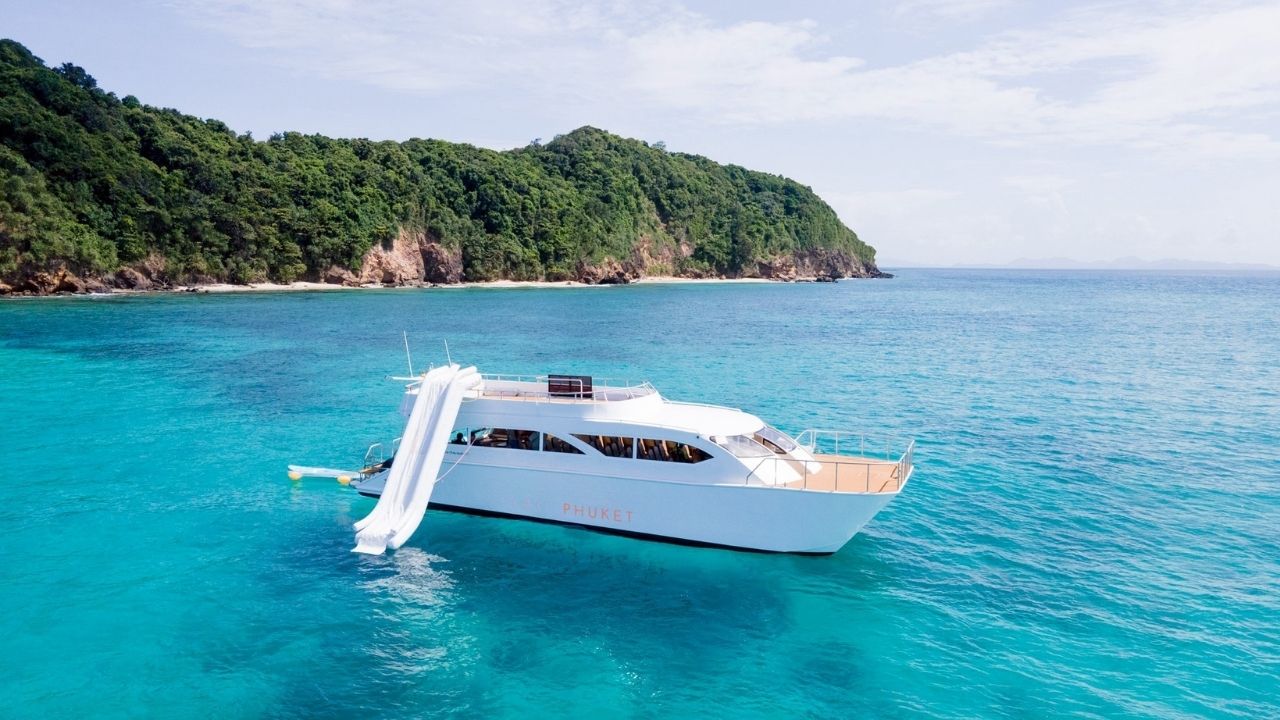
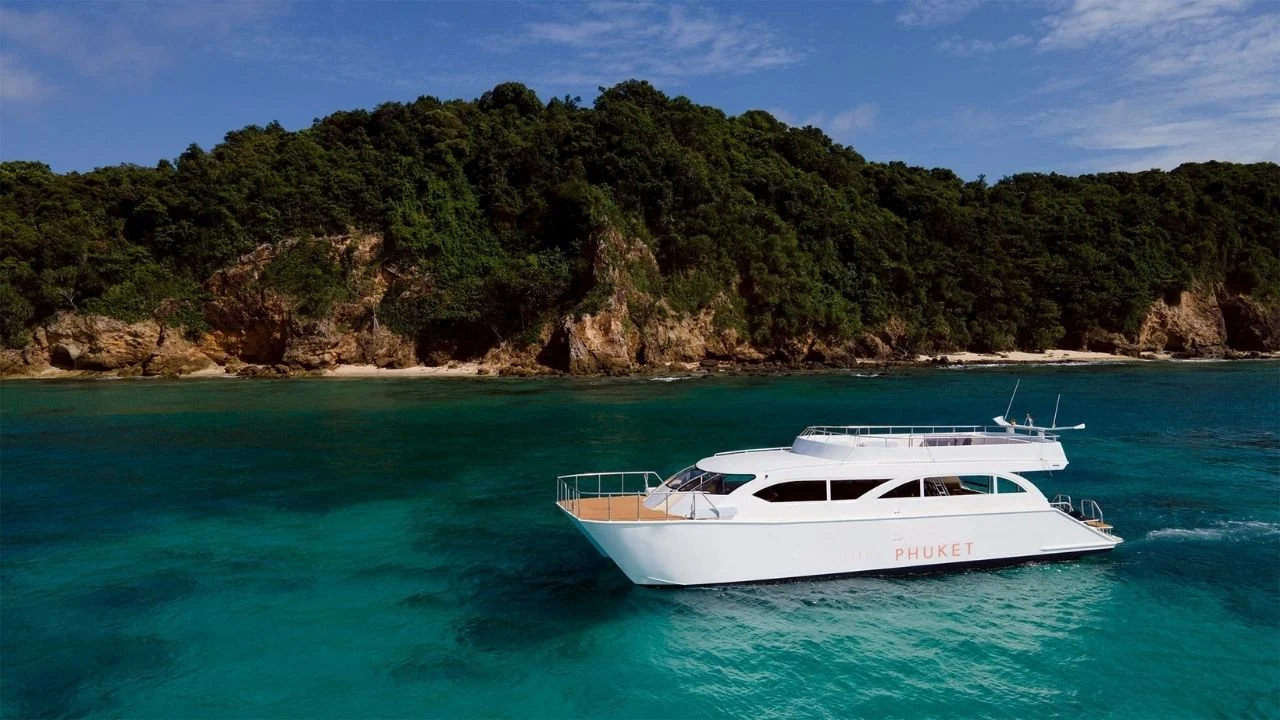
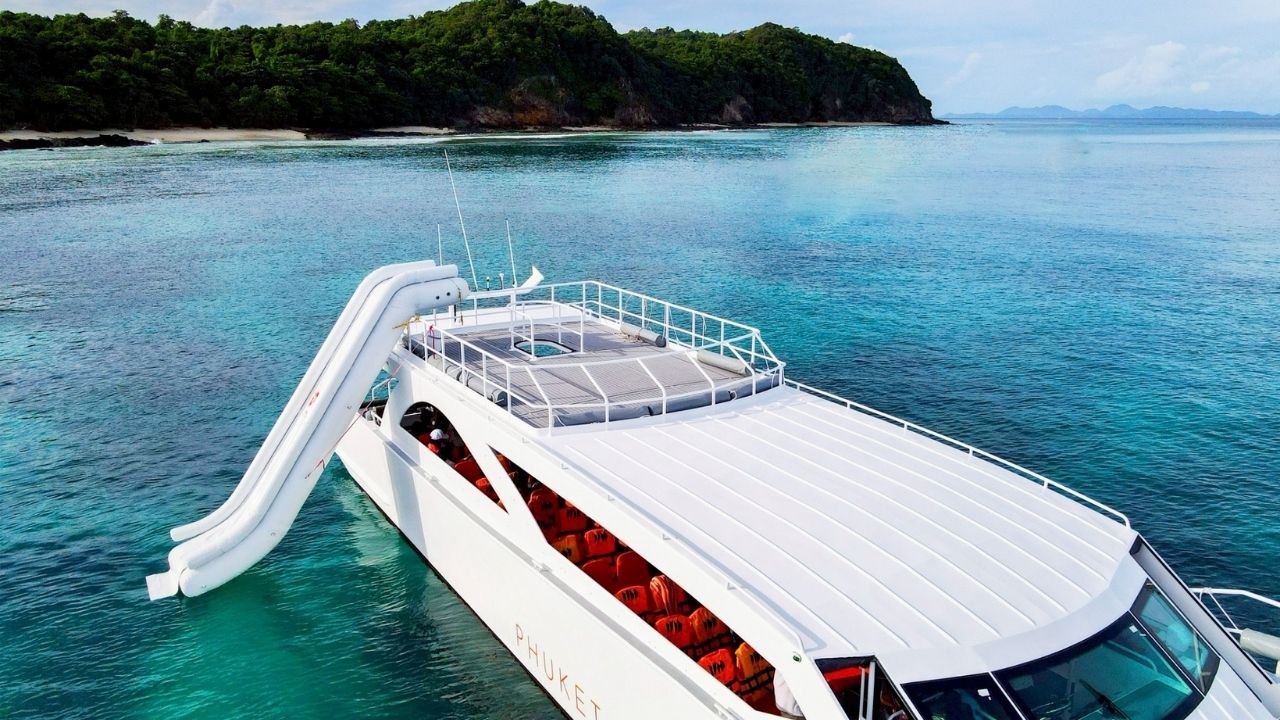
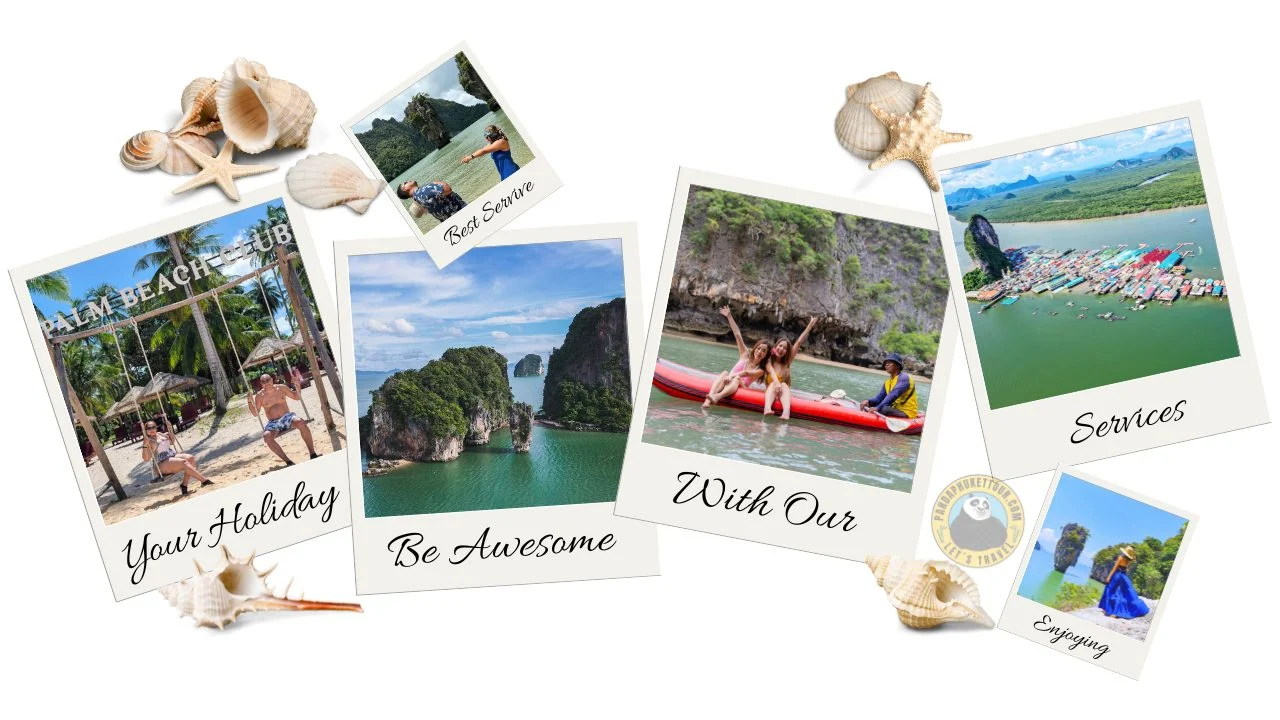
PREMIUM CATAMARAN: PHANG NGA BAY AND JAMES BOND ISLAND
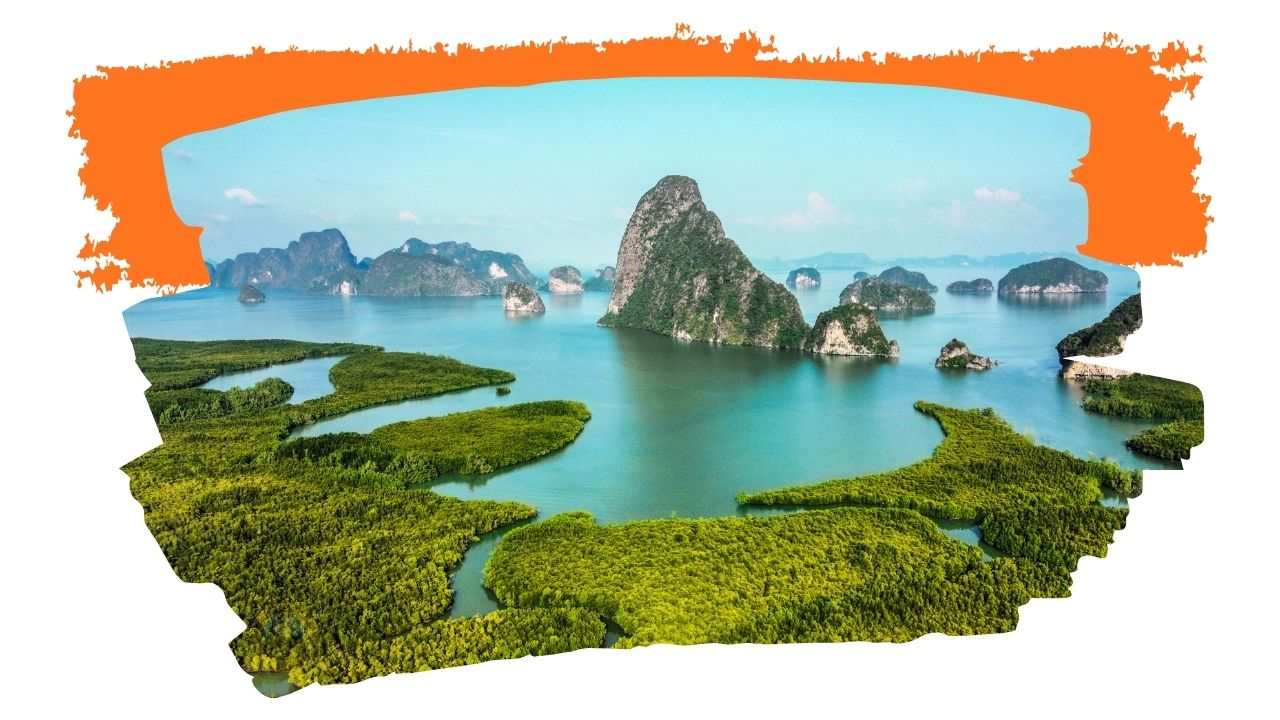
AO PHANG NGA NATIONAL PARK
AO PHANG NGA
MORE INFORMATION
ITINERARY
-
08:30 – 10:00 > Pickup from your hotel in Phuket (we’ll confirm the exact time when you book).
-
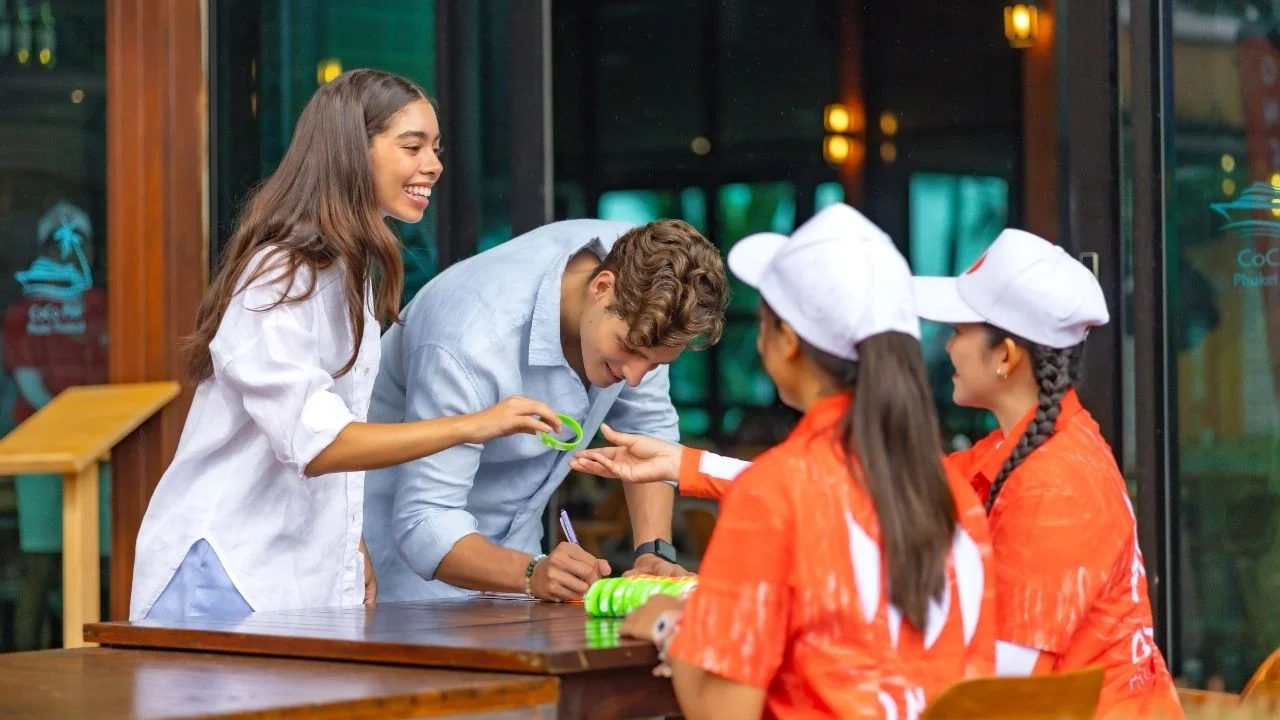
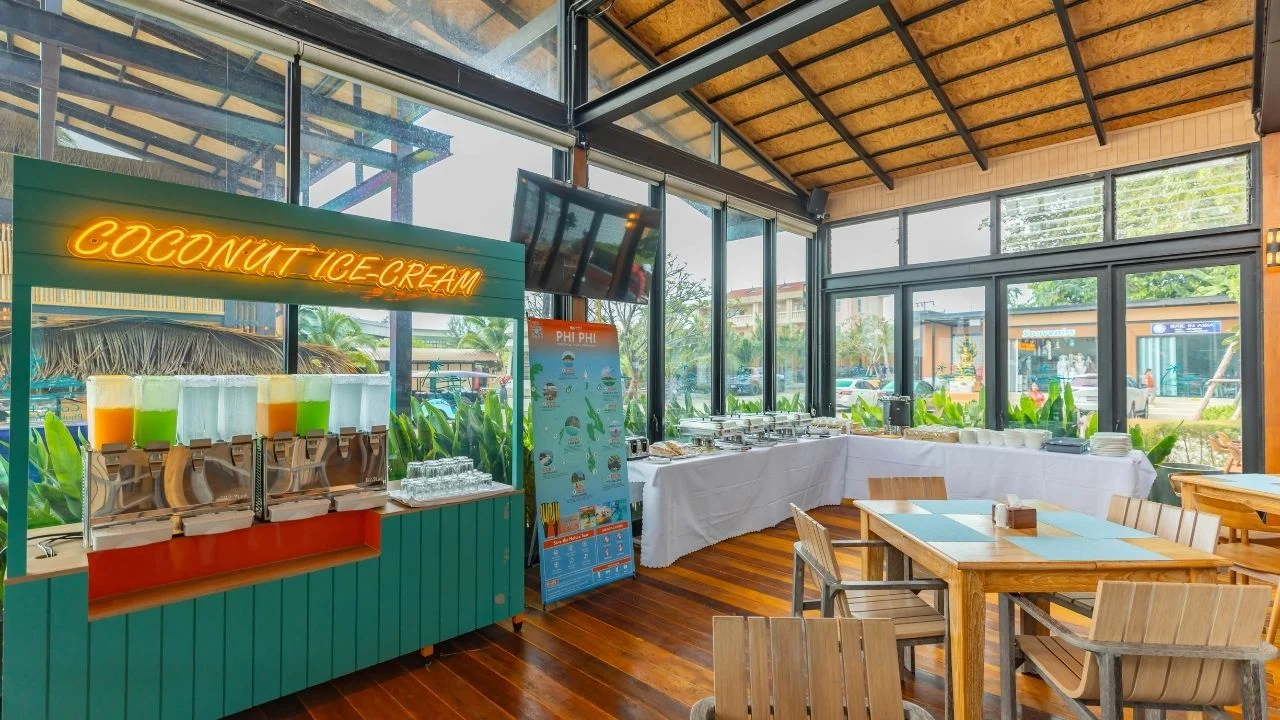
10:30 > CHECK-IN: Welcome reception with soft drinks.
-
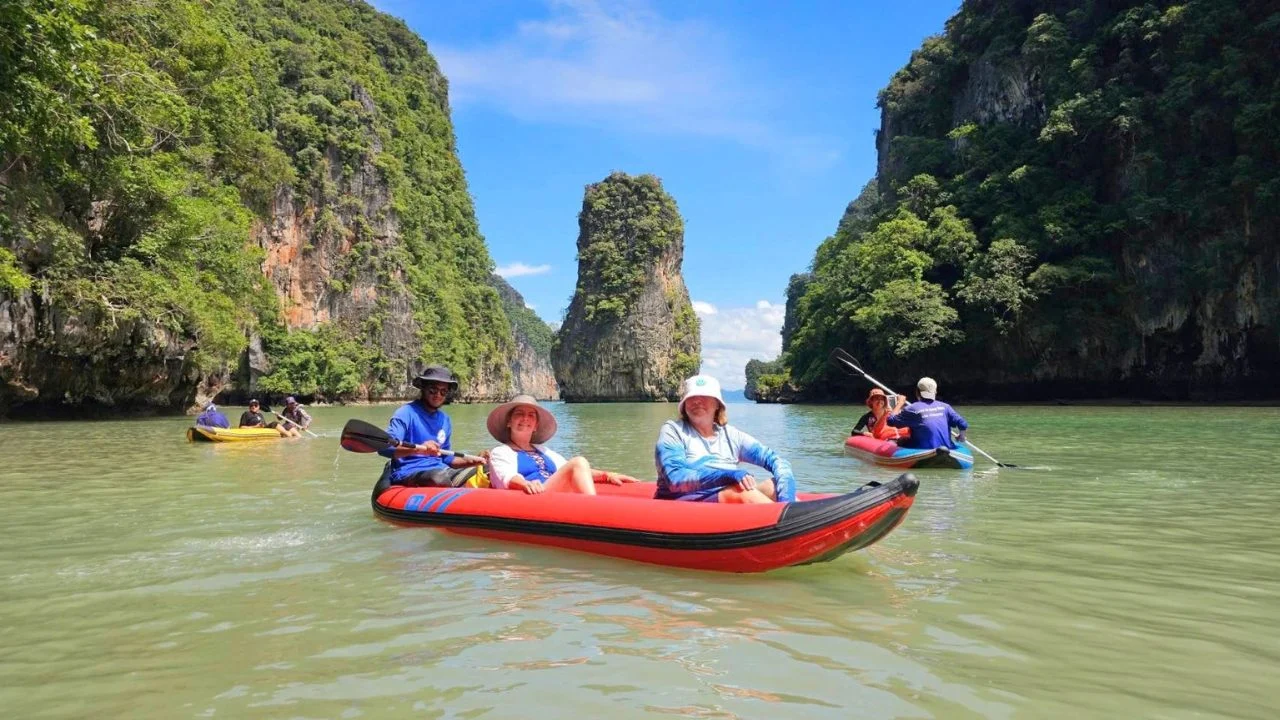
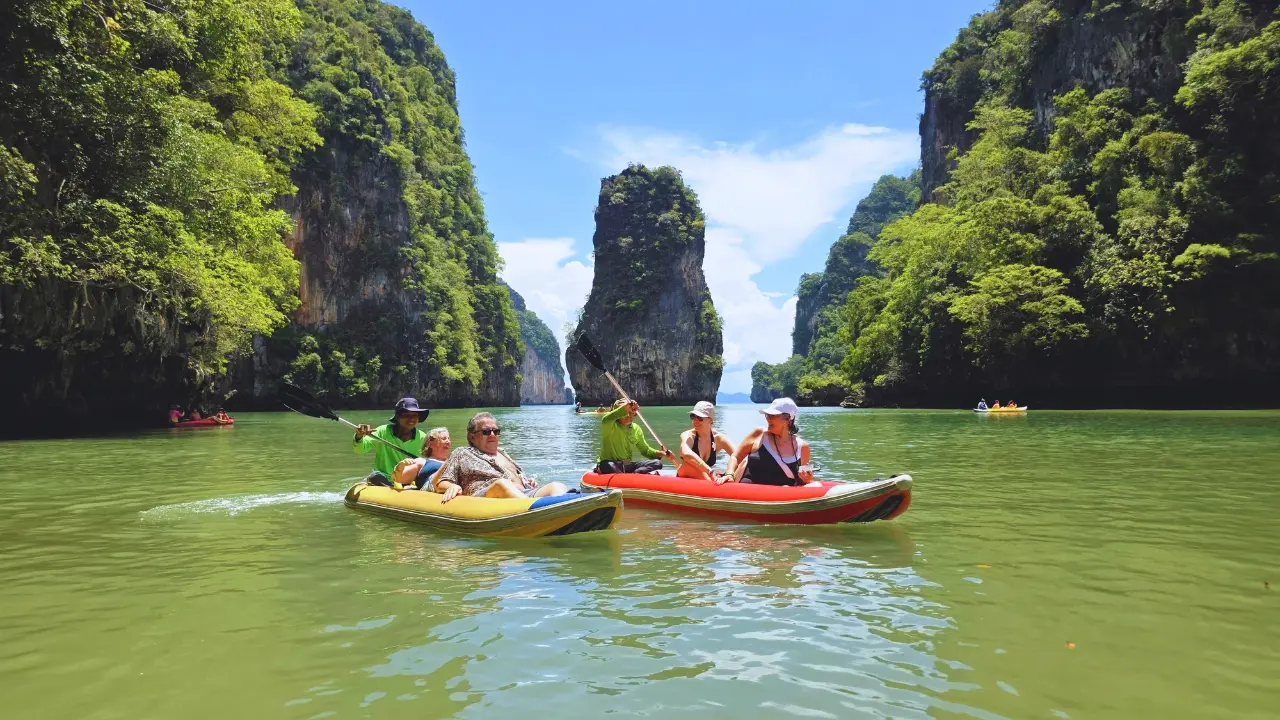
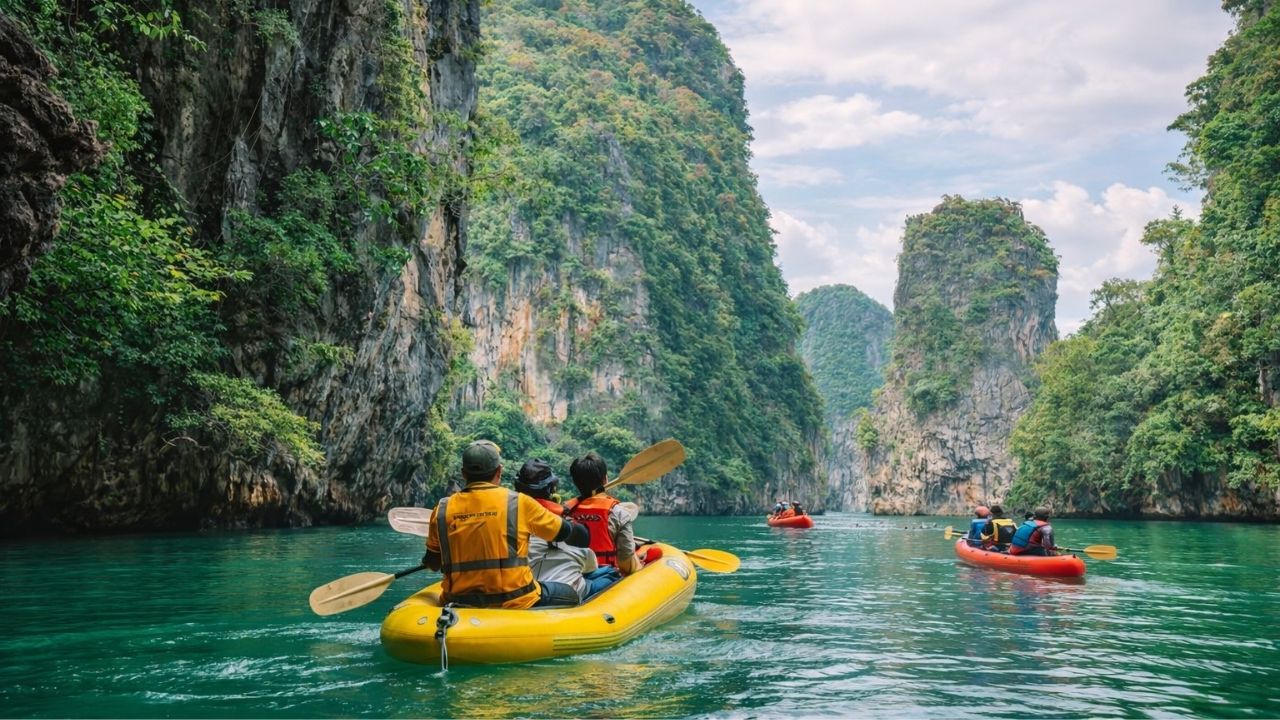
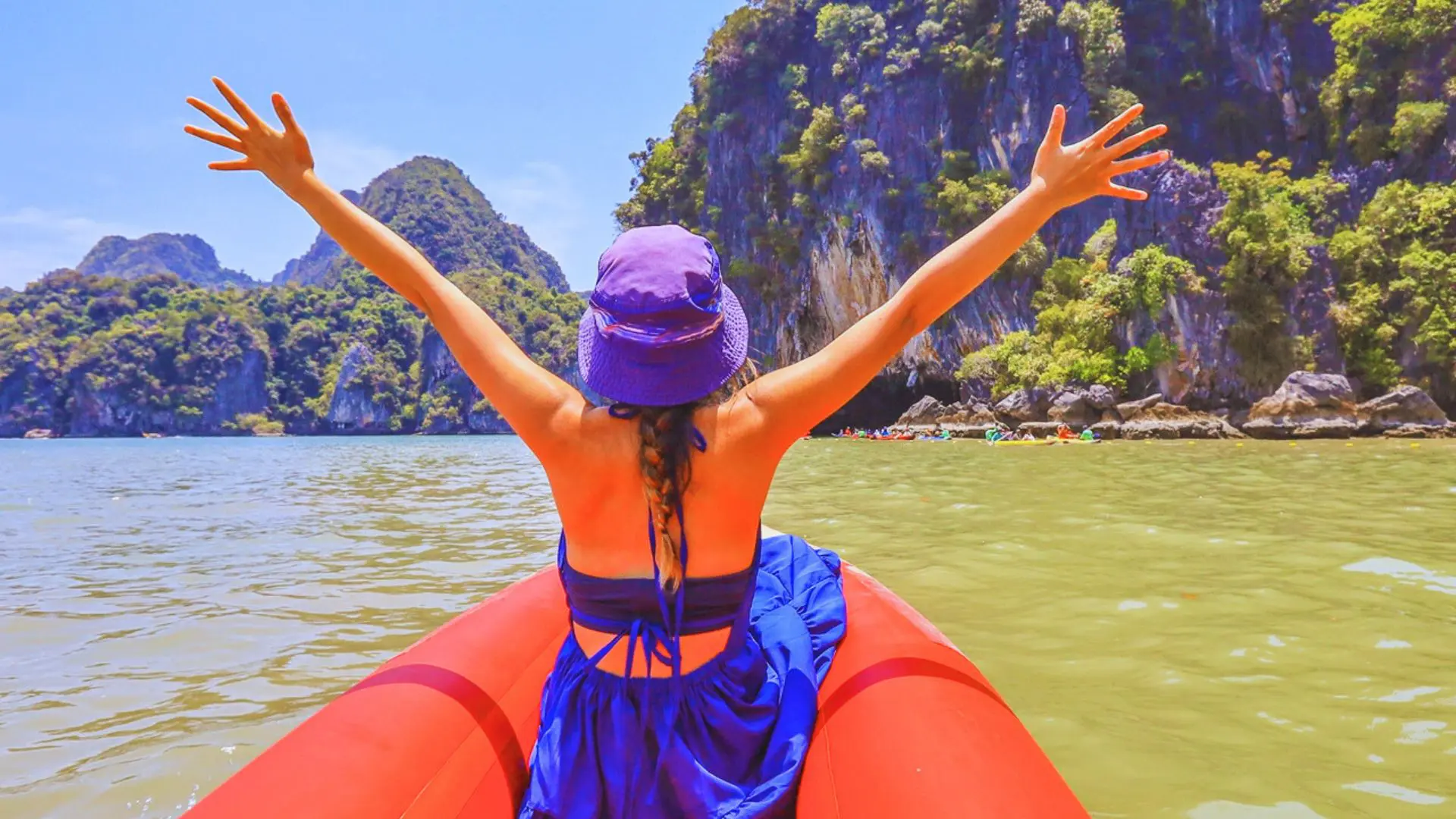
11:00 > HONG ISLAND (PHANG NGA): Departure from the marina, sailing to our first destination, Hong Island. Canoe trip around the island, taking in a landscape ringed by limestone mountains.
- PHANG NGA BAY: Enjoy the panoramic views during the cruise.
-
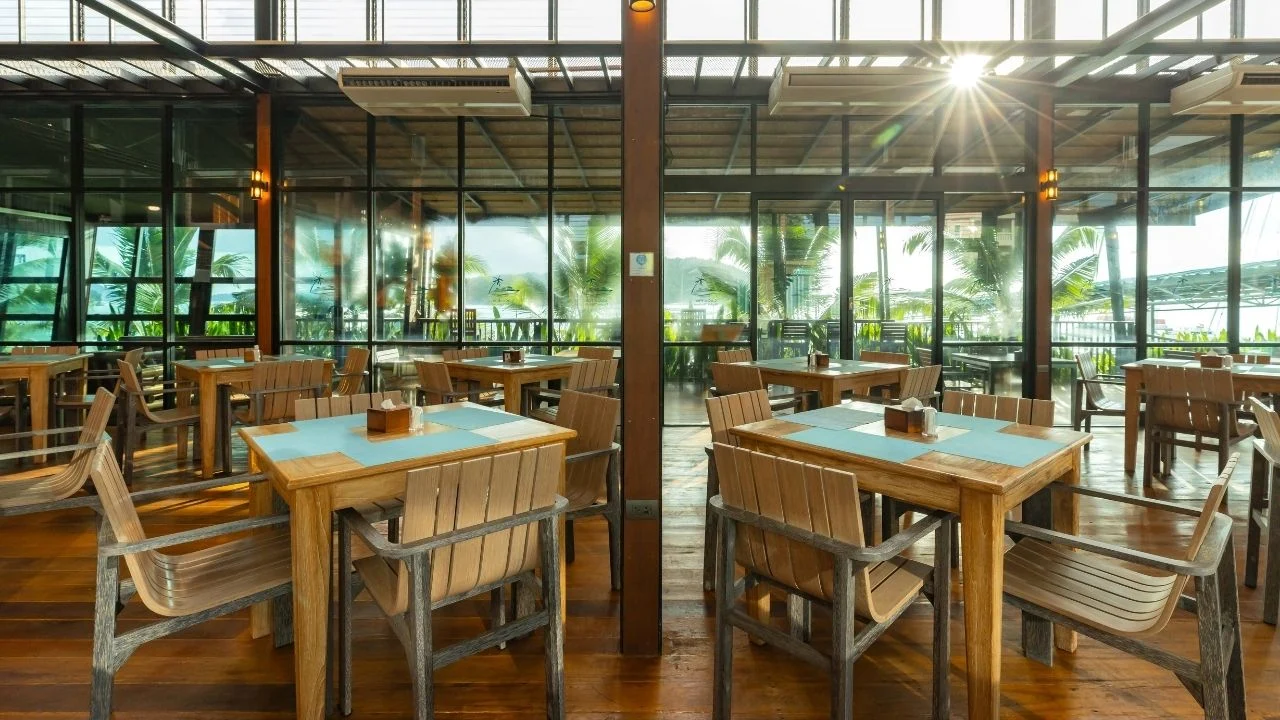
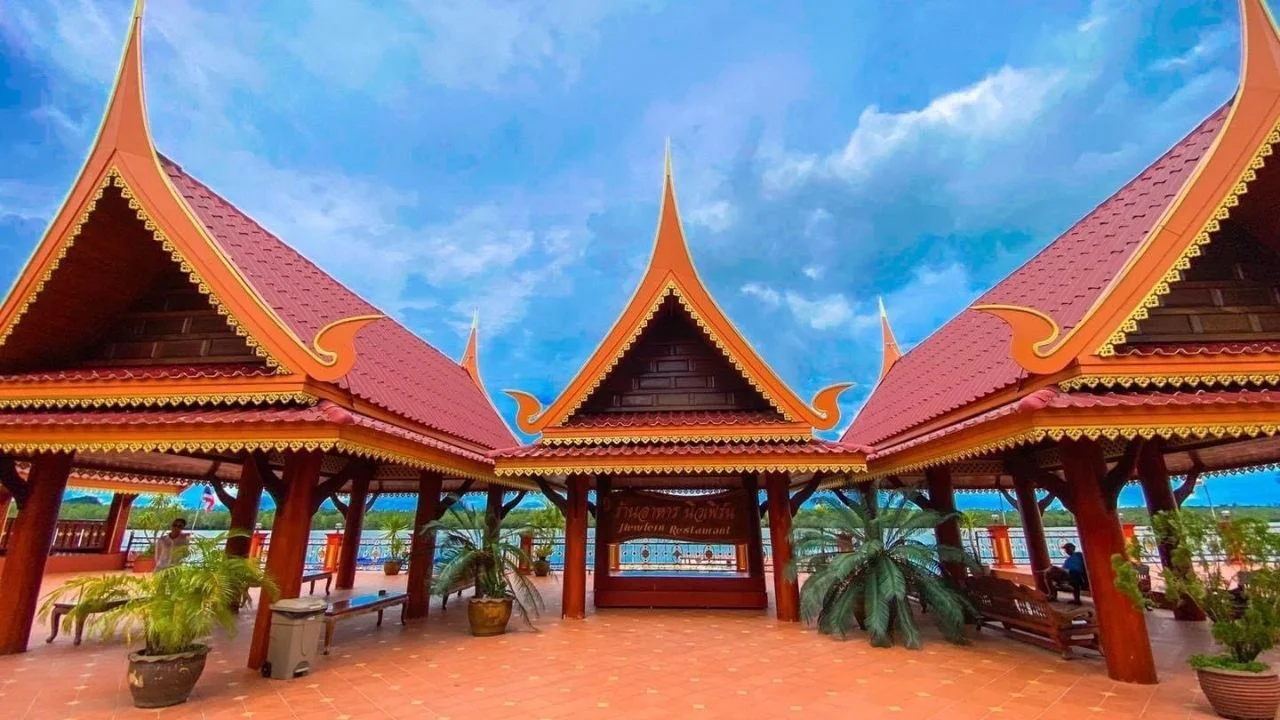
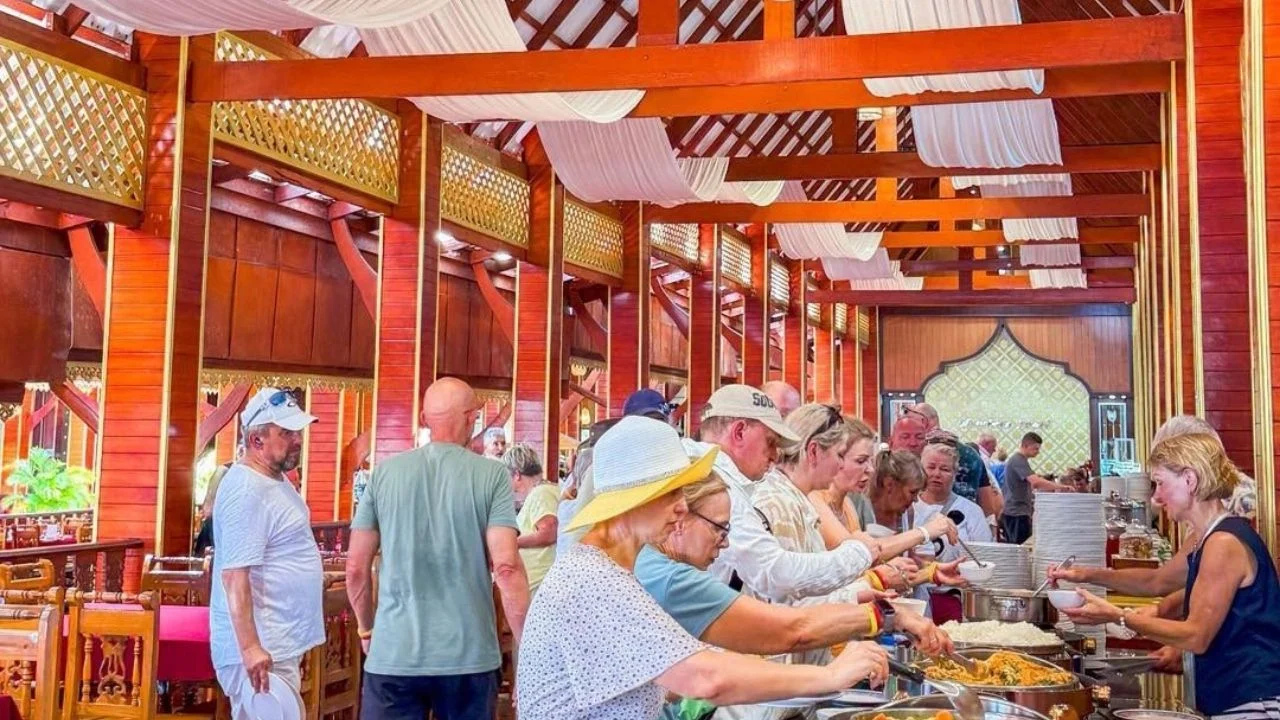
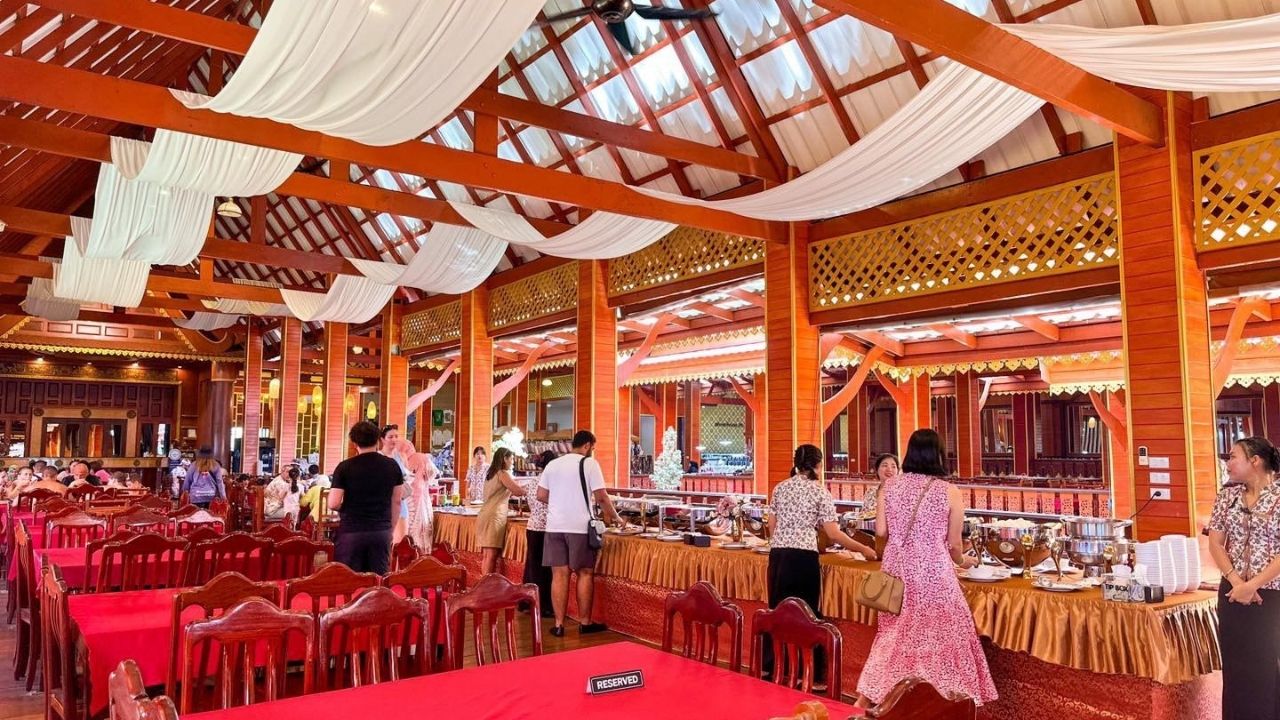
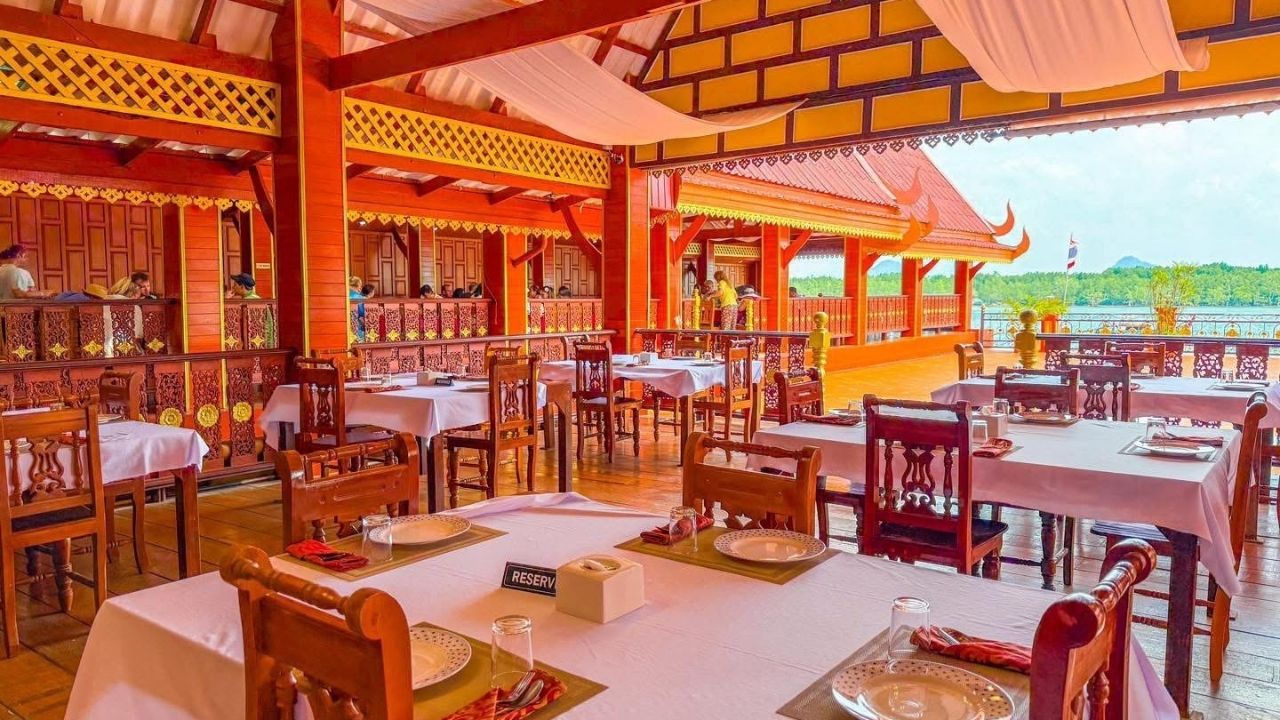
PANYEE ISLAND: Enjoy a buffet lunch and visit the floating village.
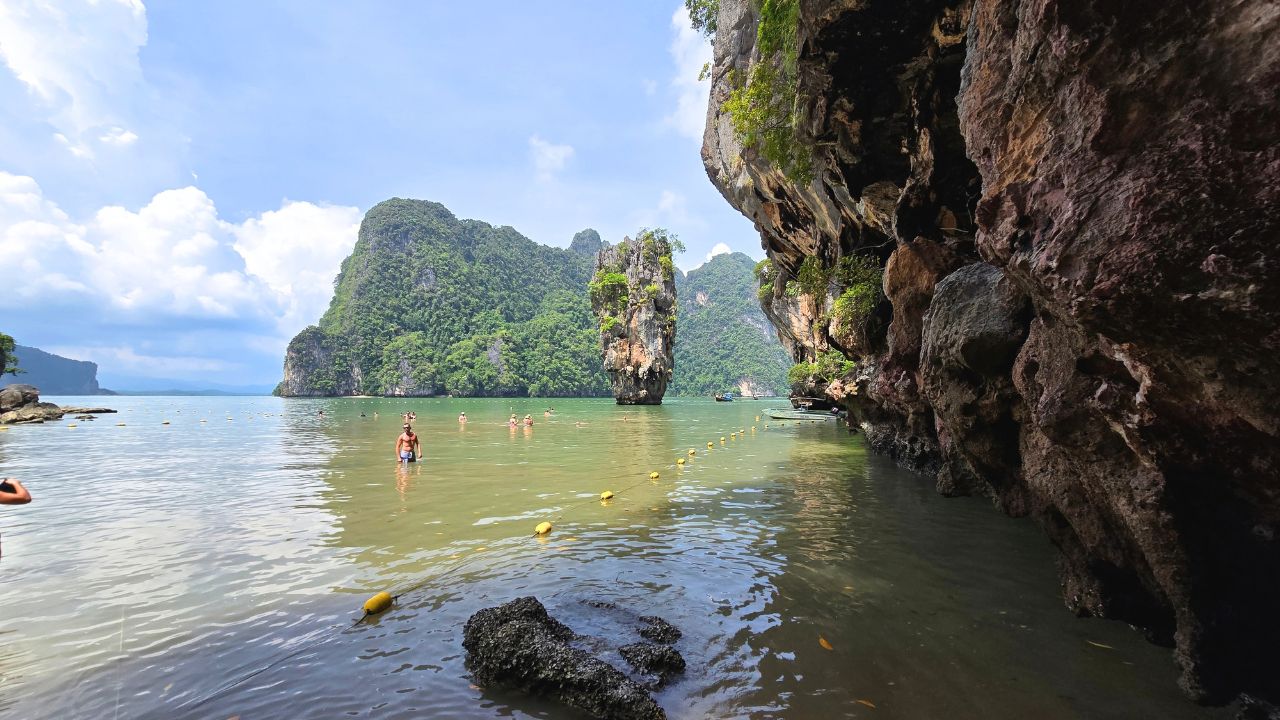
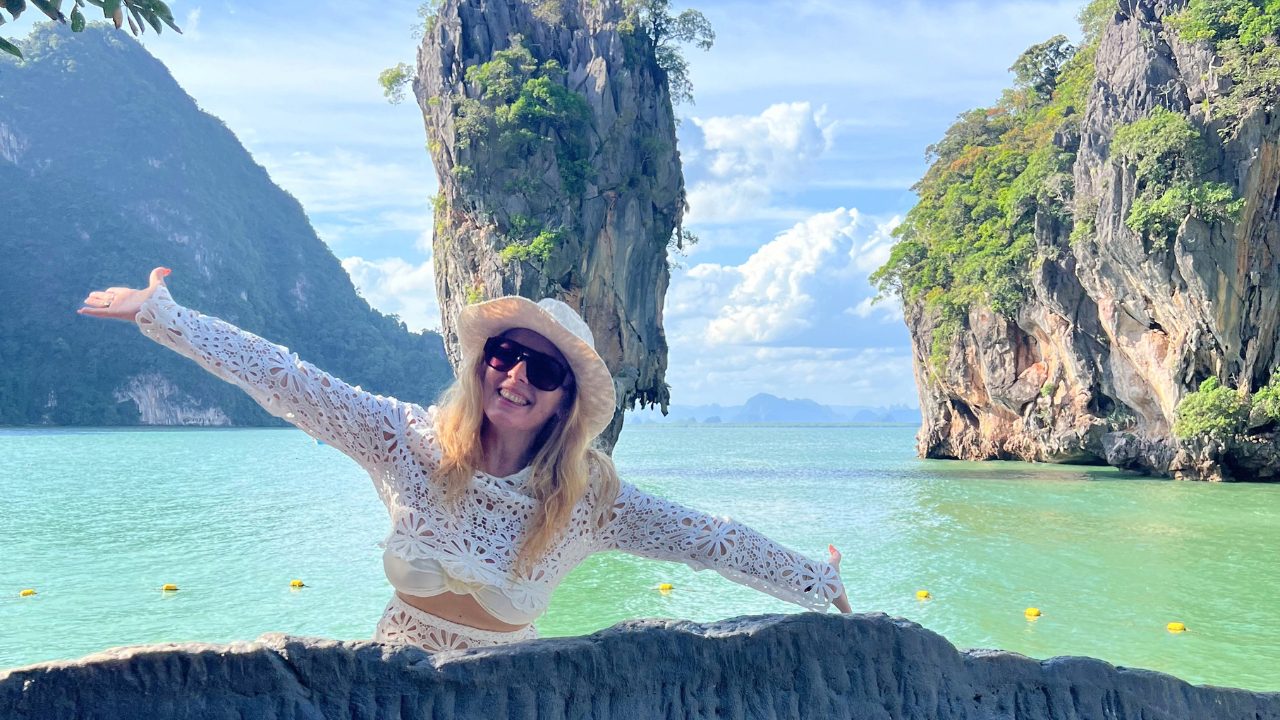
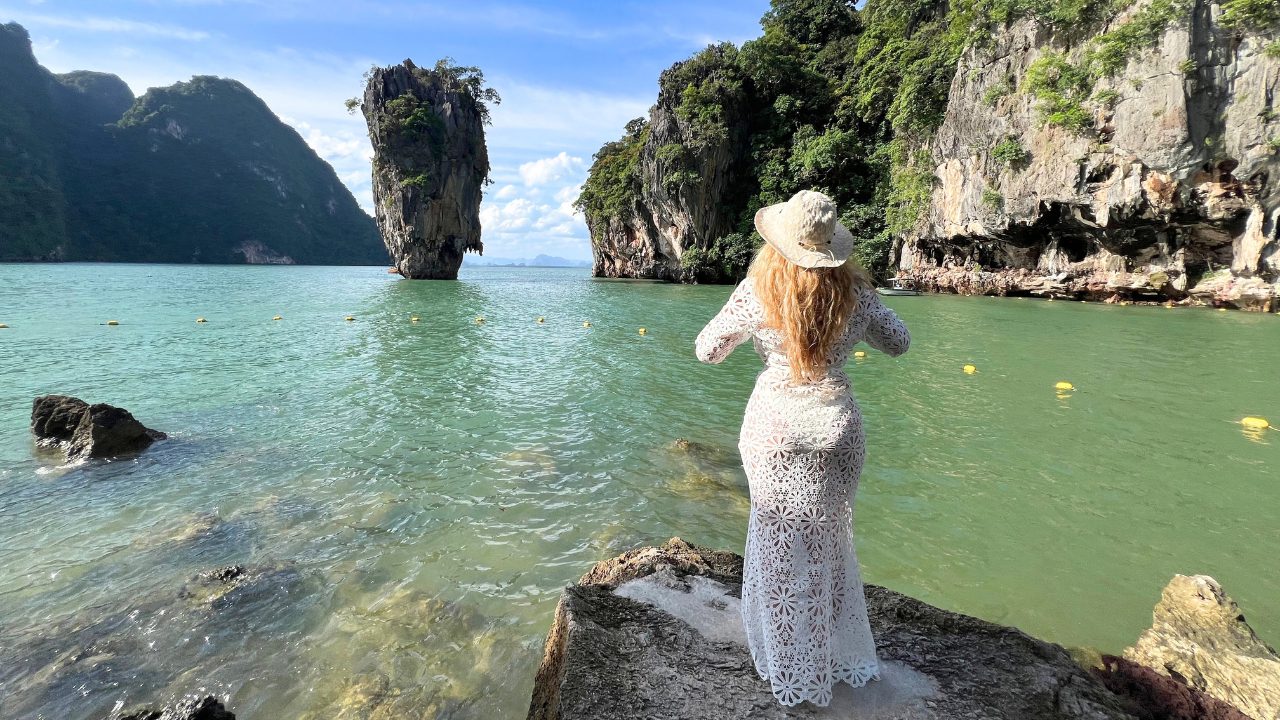
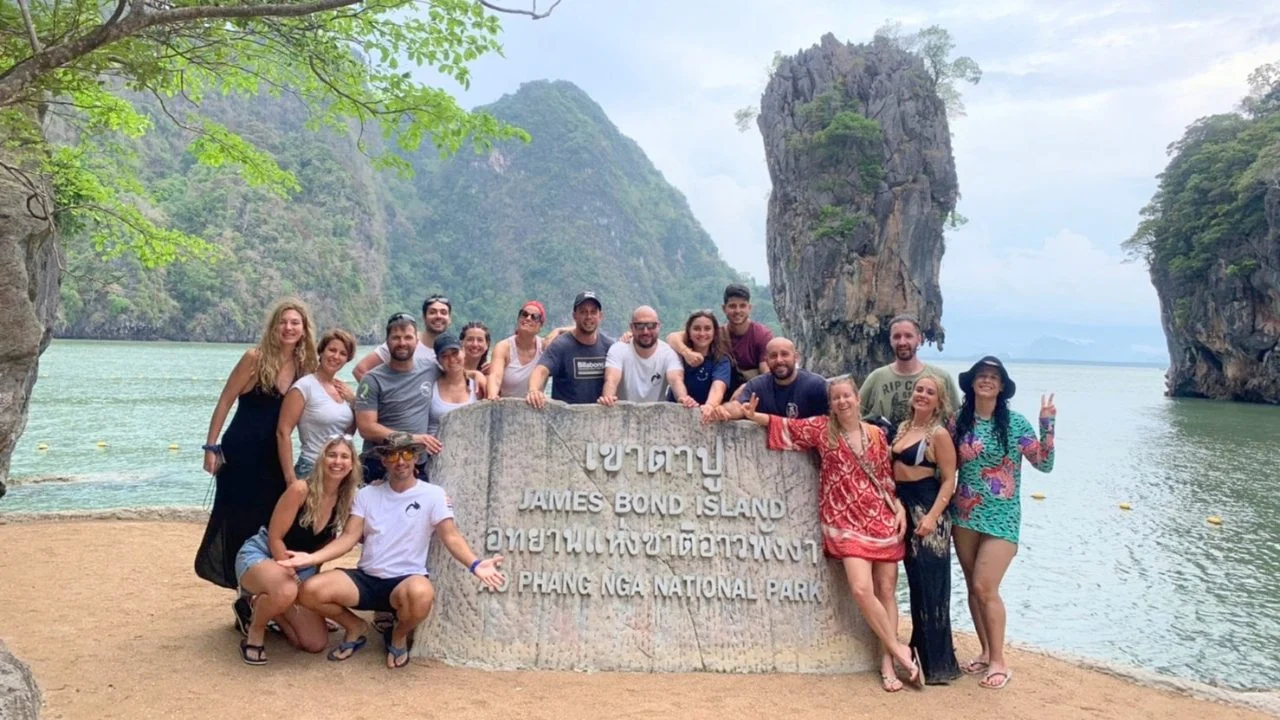
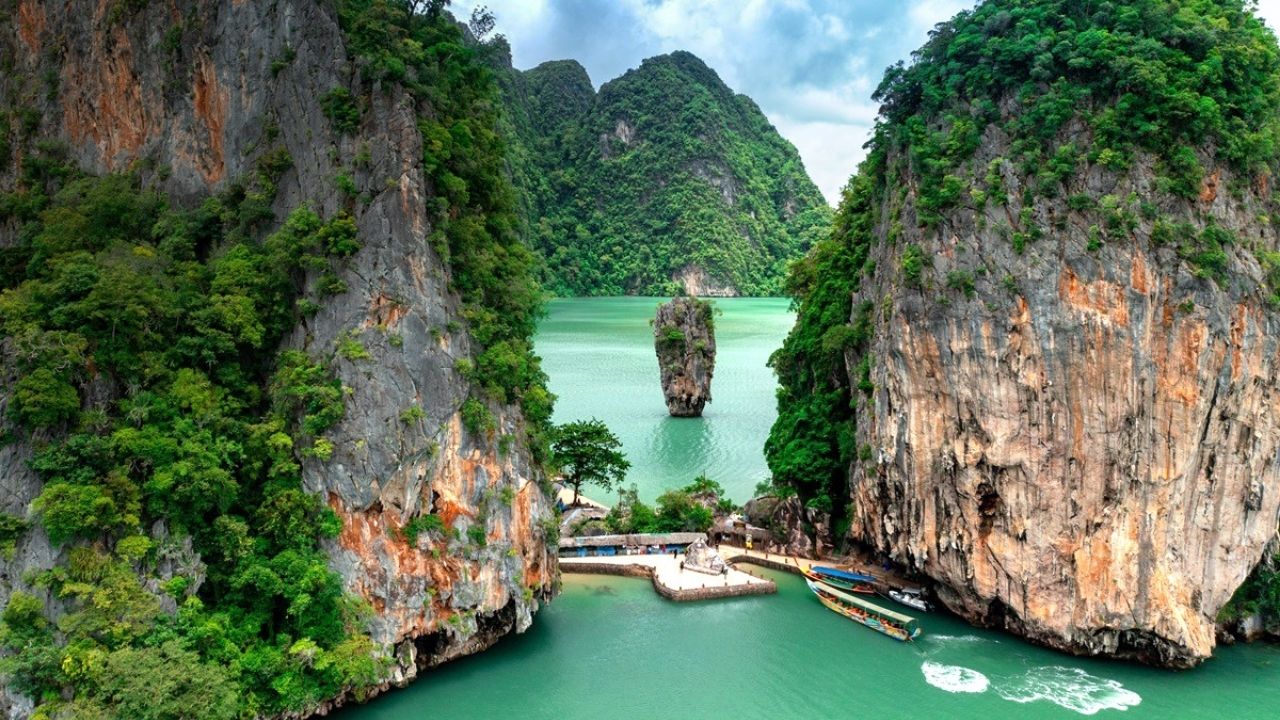
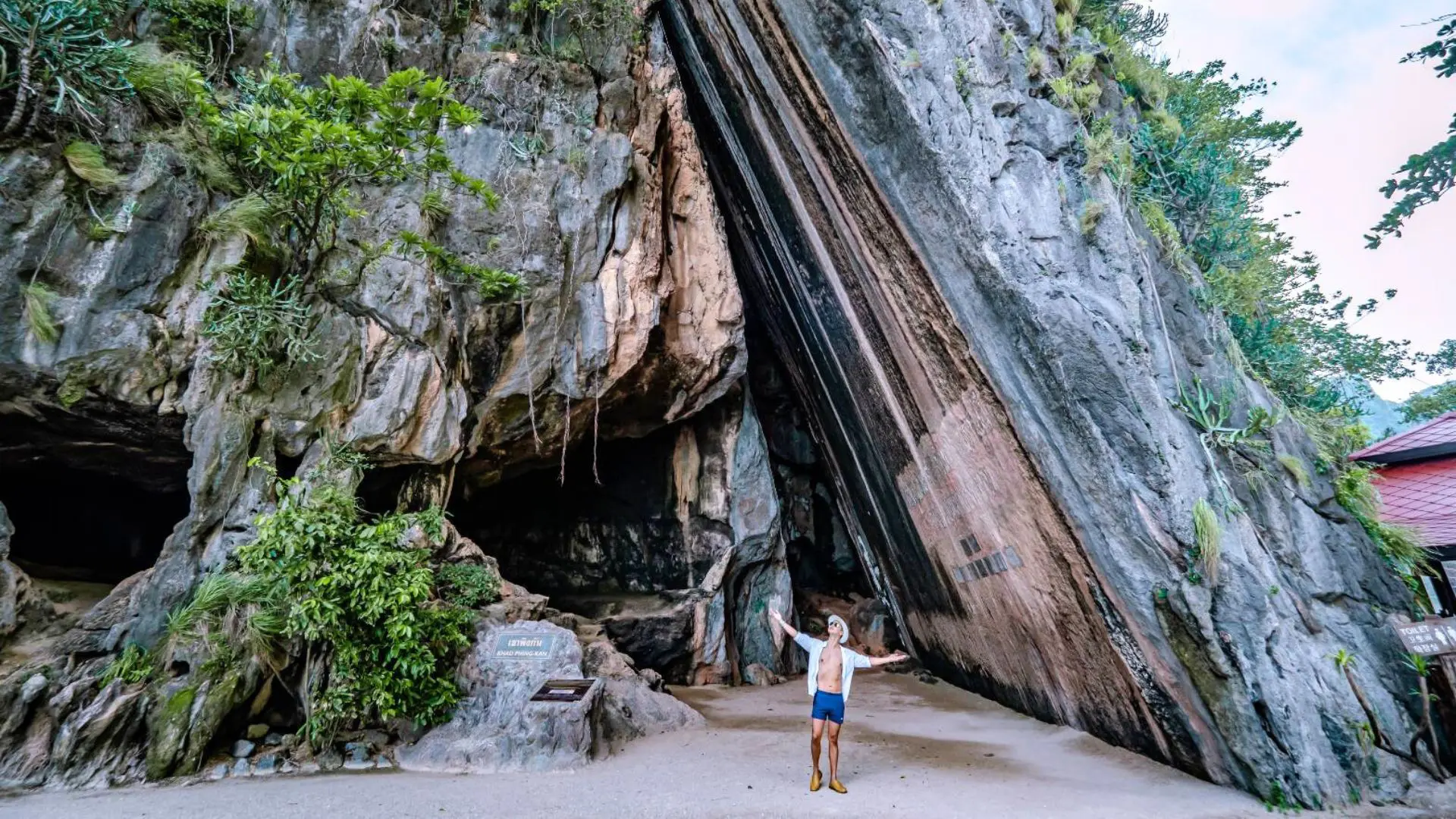
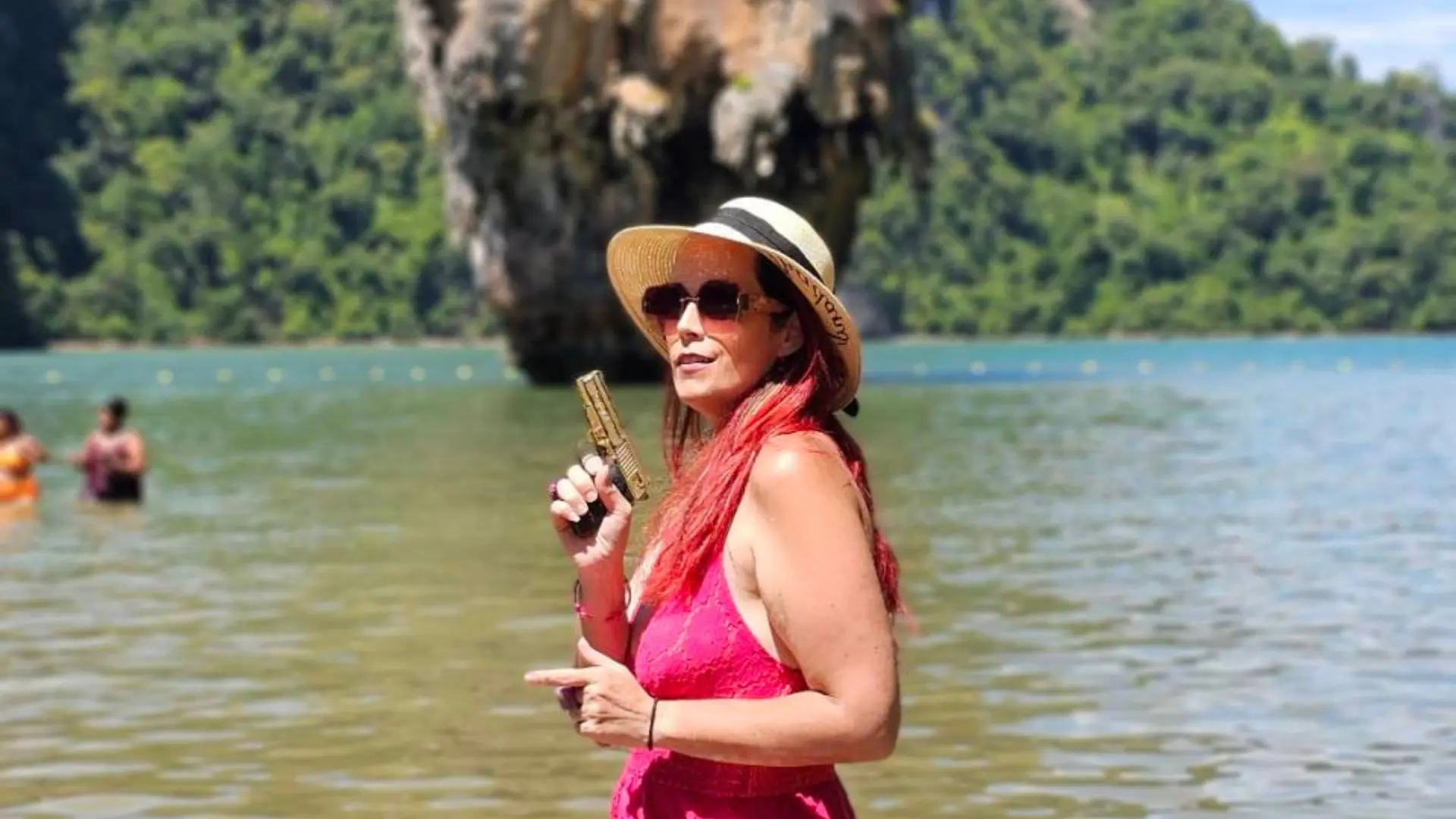
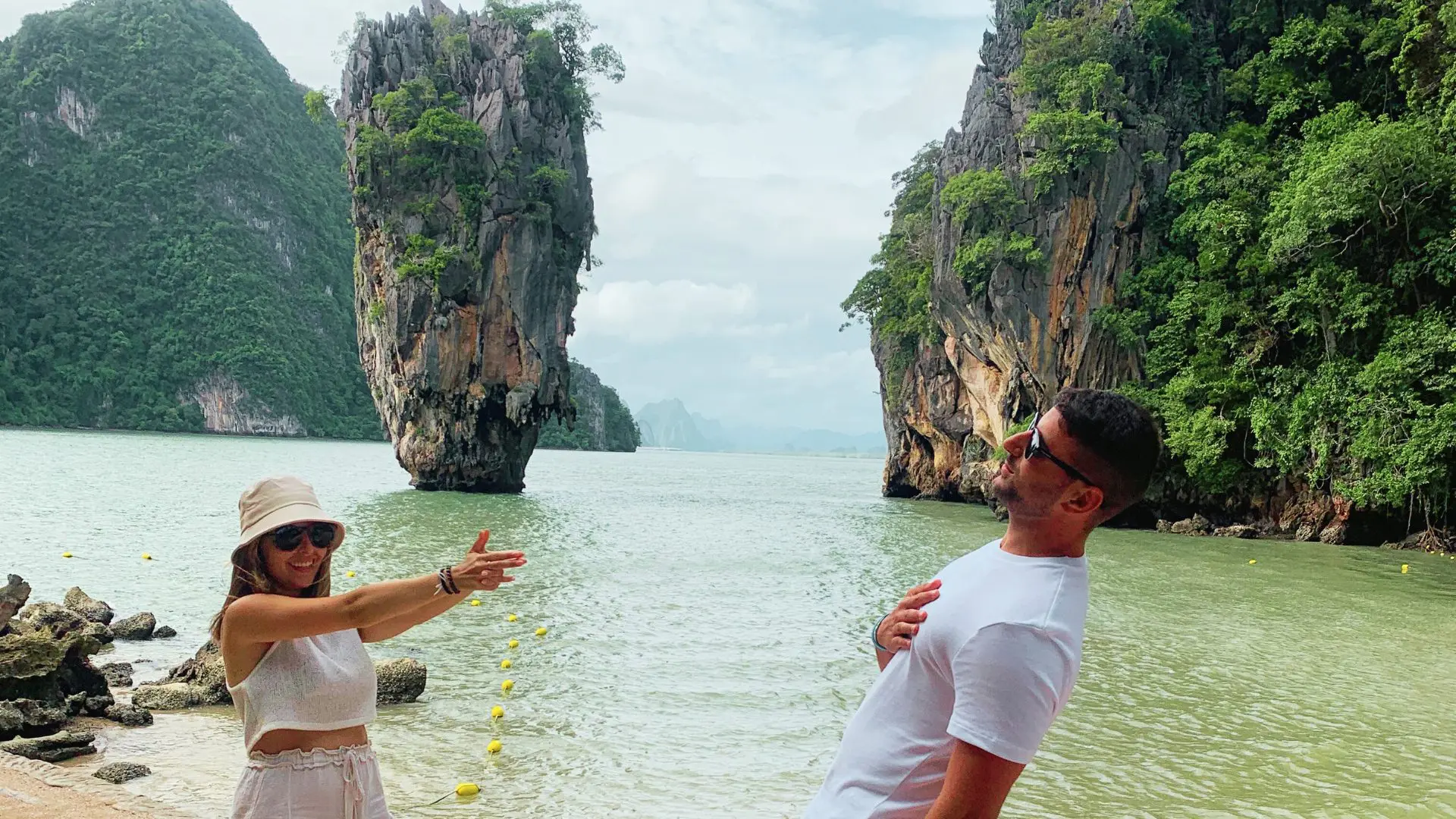
- JAMES BOND ISLAND: Visit Khao Phing Kan (James Bond Island) and the famous Khao Tapu rock. Snap photos as if you were in a 007 film and take home great memories of Phang Nga.
-
PANAK ISLAND: Scenic cruise among rocky mountains and green waters, surrounded by Phang Nga’s natural beauty.
- YAO YAI ISLAND: Stop at the Palm Beach Club to relax on the beach and go for a swim.
-
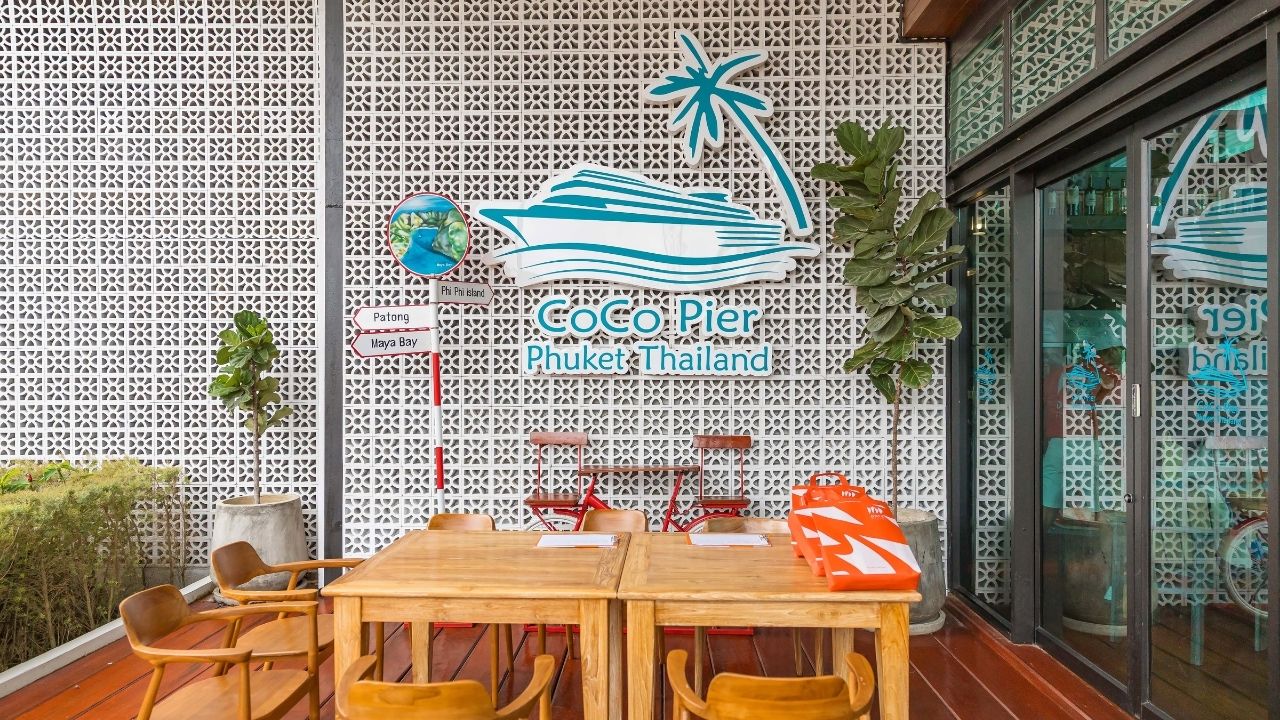
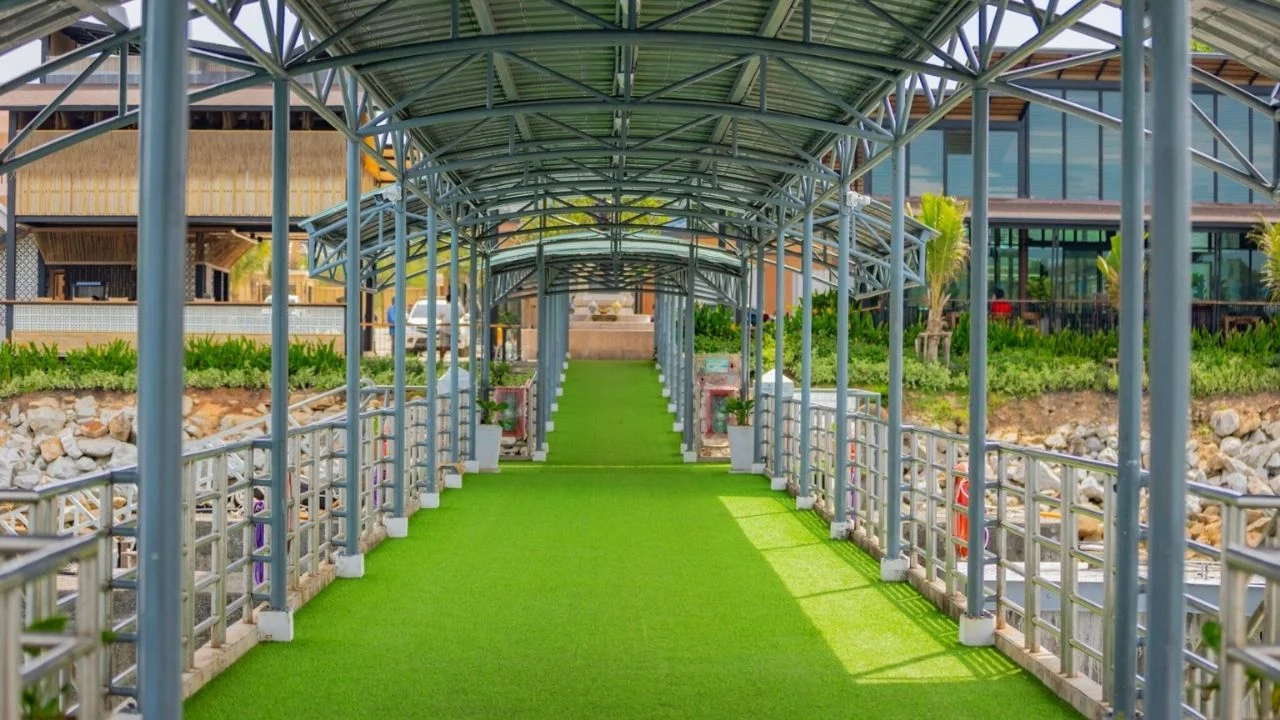
18:30 > RETURN TO THE PIER: Cruise back to CoCo Pier with a dinner box included and memories of an unforgettable day.
HONG ISLAND (PHANG NGA)
HONG ISLAND
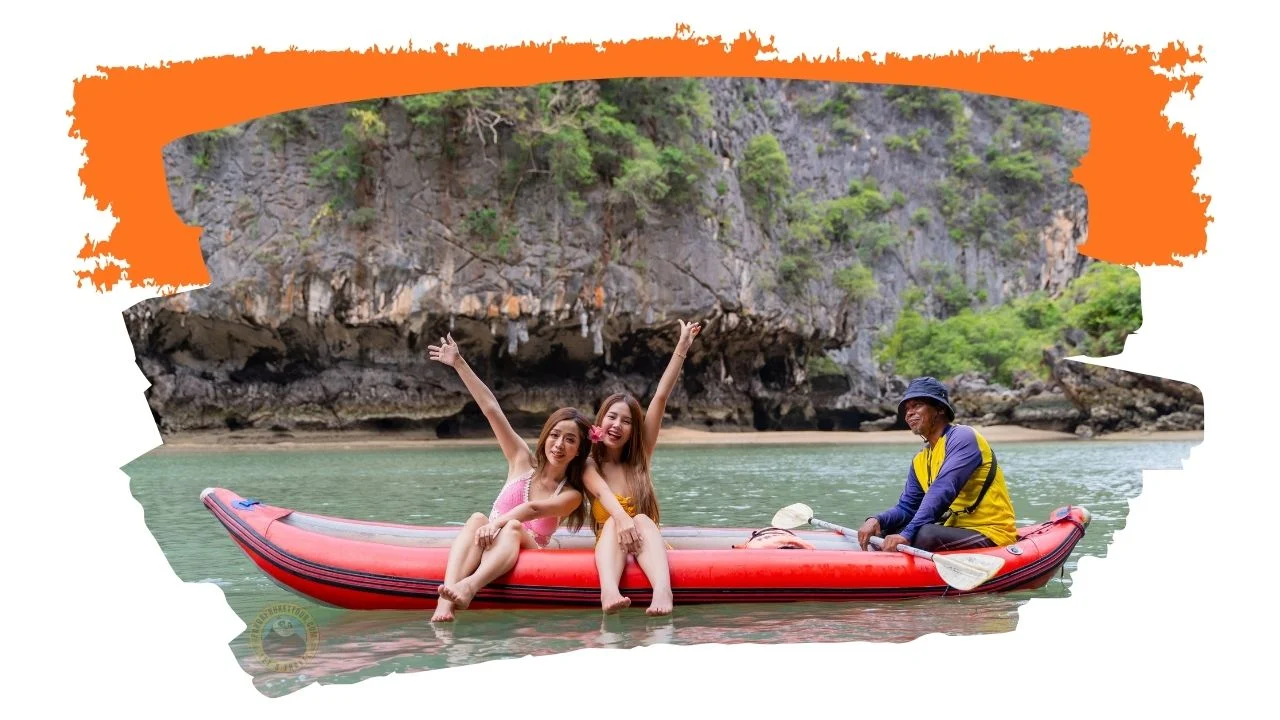
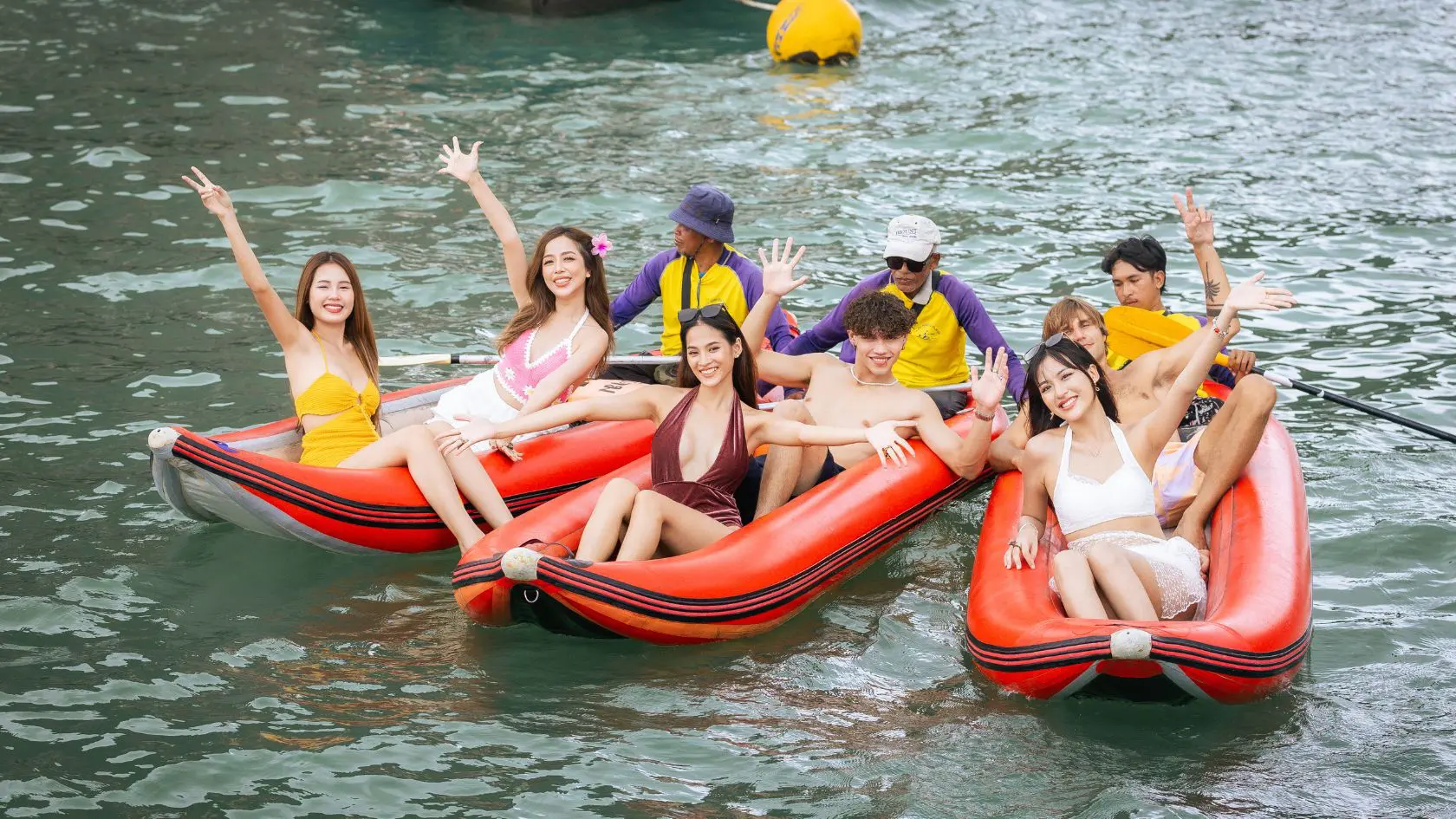
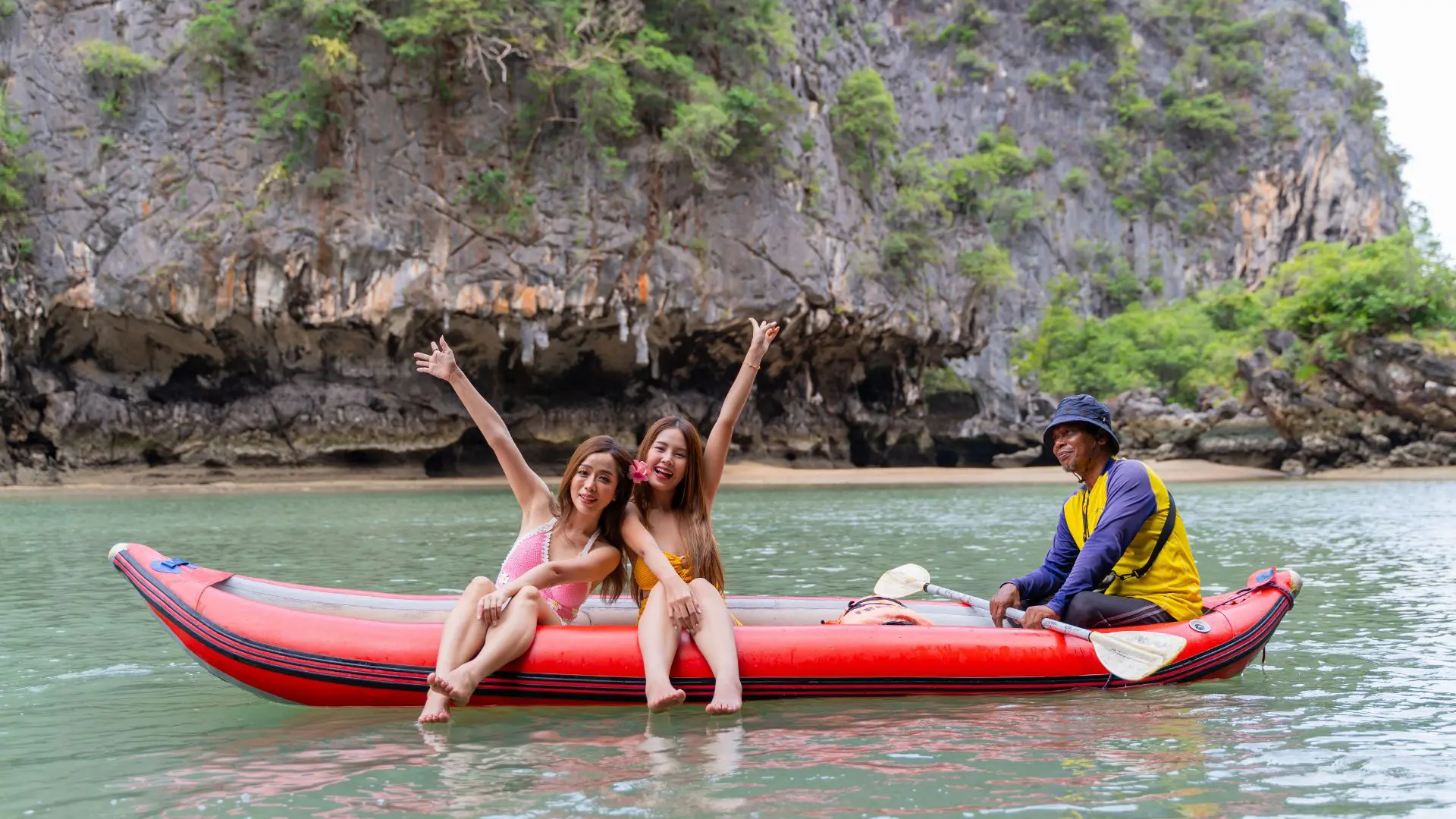
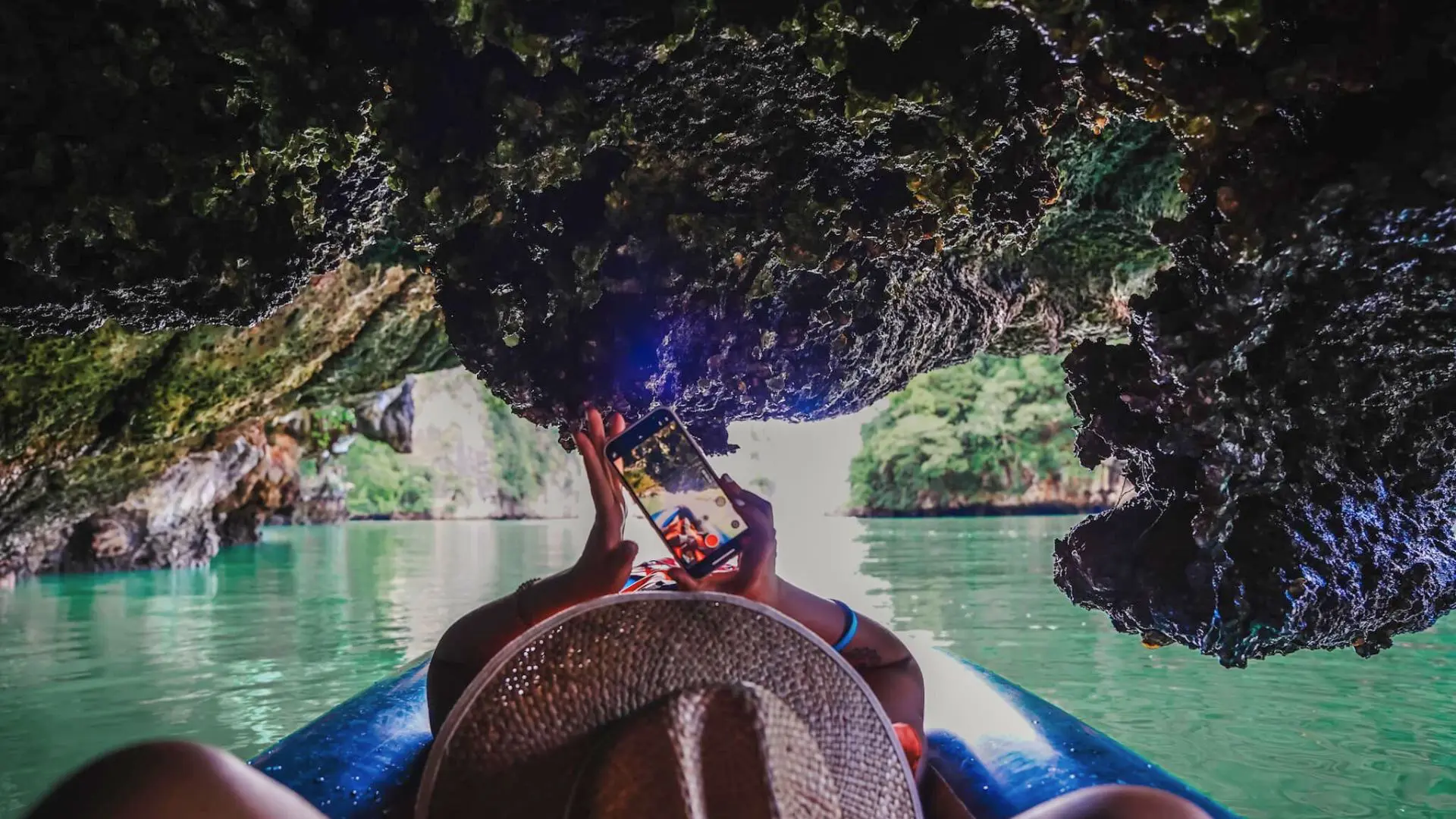
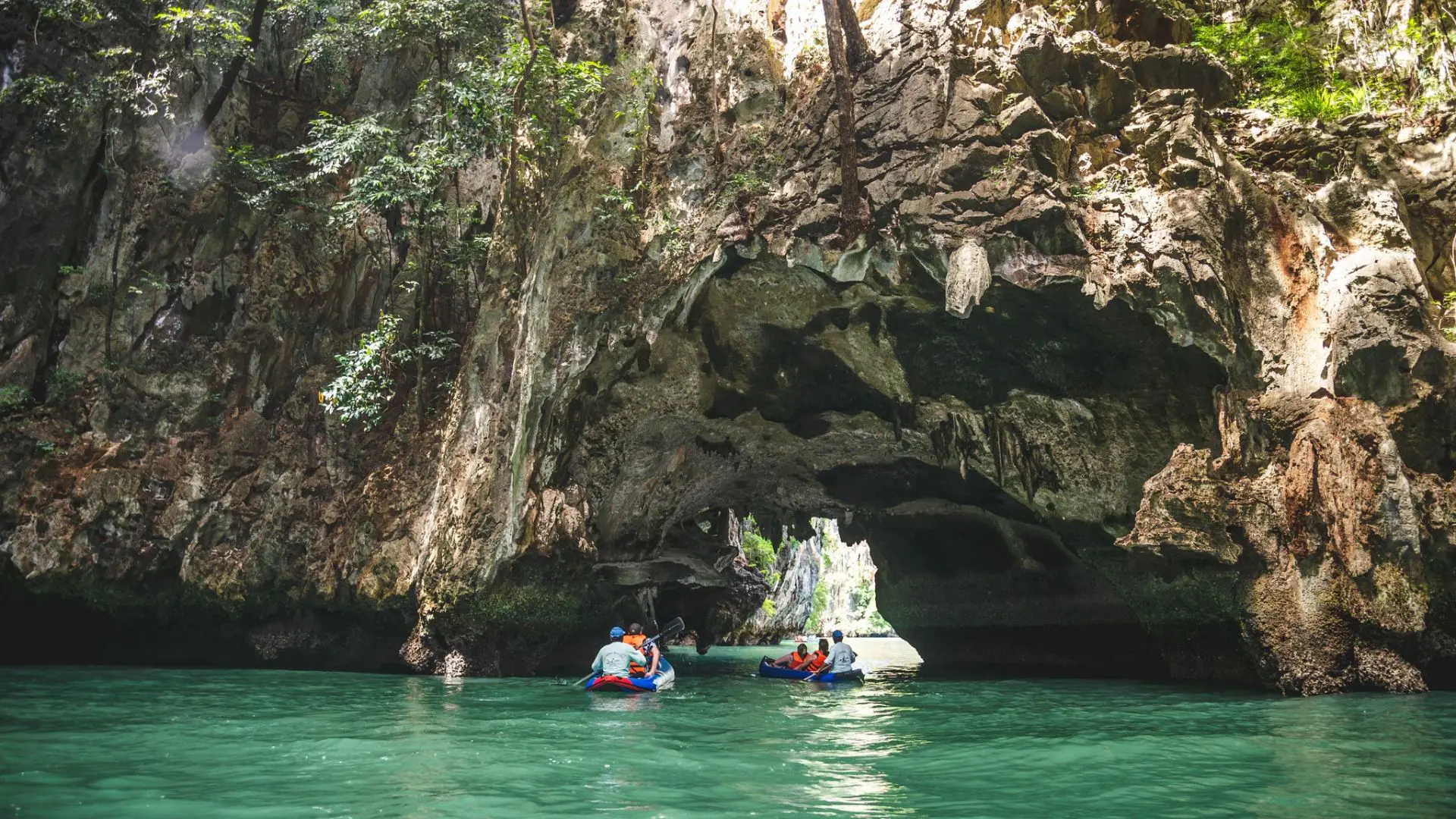
CANOE TRIP: The word “Hong” means “room” or “chamber” in Thai, and describes the inner lagoons, surrounded by caves, hidden in the heart of the towering limestone karst islands of Phang Nga Bay. The beautiful Hong Island lies in this bay, between the provinces of Phuket and Krabi.
MORE INFORMATION
The limestone formations of Phang Nga Bay began as marine deposits of shells, corals, and skeletons that were compacted into sedimentary rock and later uplifted by tectonic movements.
ABOUT HONG ISLAND
- It is part of Ao Phang Nga National Park, which covers the area’s spectacular limestone karst islands and unique ecosystems.
- Hong Island has a rich history: for centuries it has been home to indigenous communities living off the natural resources of the island and the surrounding bay.
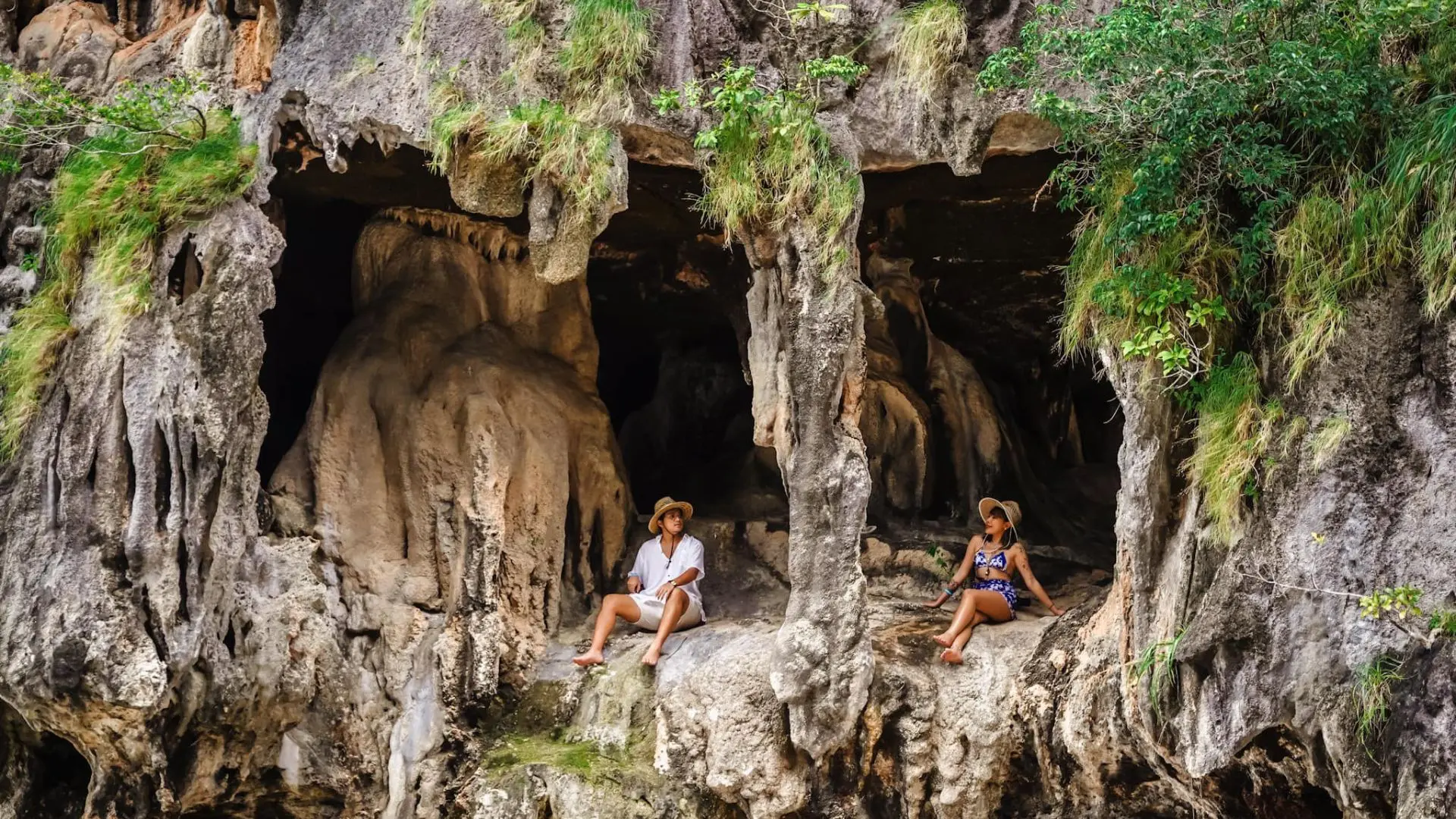
- The island’s limestone cliffs, caves, and rock formations provide a habitat for a variety of plant and animal species, such as mangroves, monkeys, birds, and reptiles.
- Exploring its caves and hidden lagoons lets you discover the area’s geological wonders and natural riches up close. It is essential to respect these fragile ecosystems, follow the park rules, and practice responsible tourism to preserve Hong Island.
PHANG NGA BAY
PHANG NGA BAY
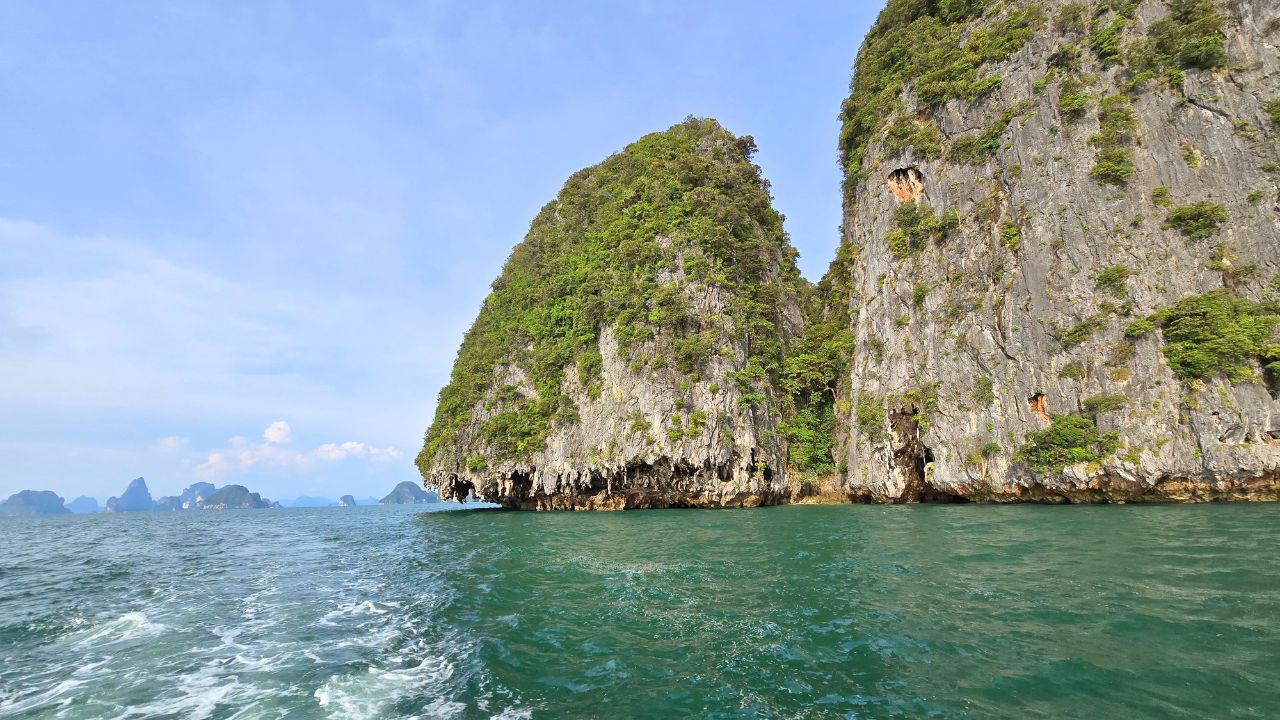
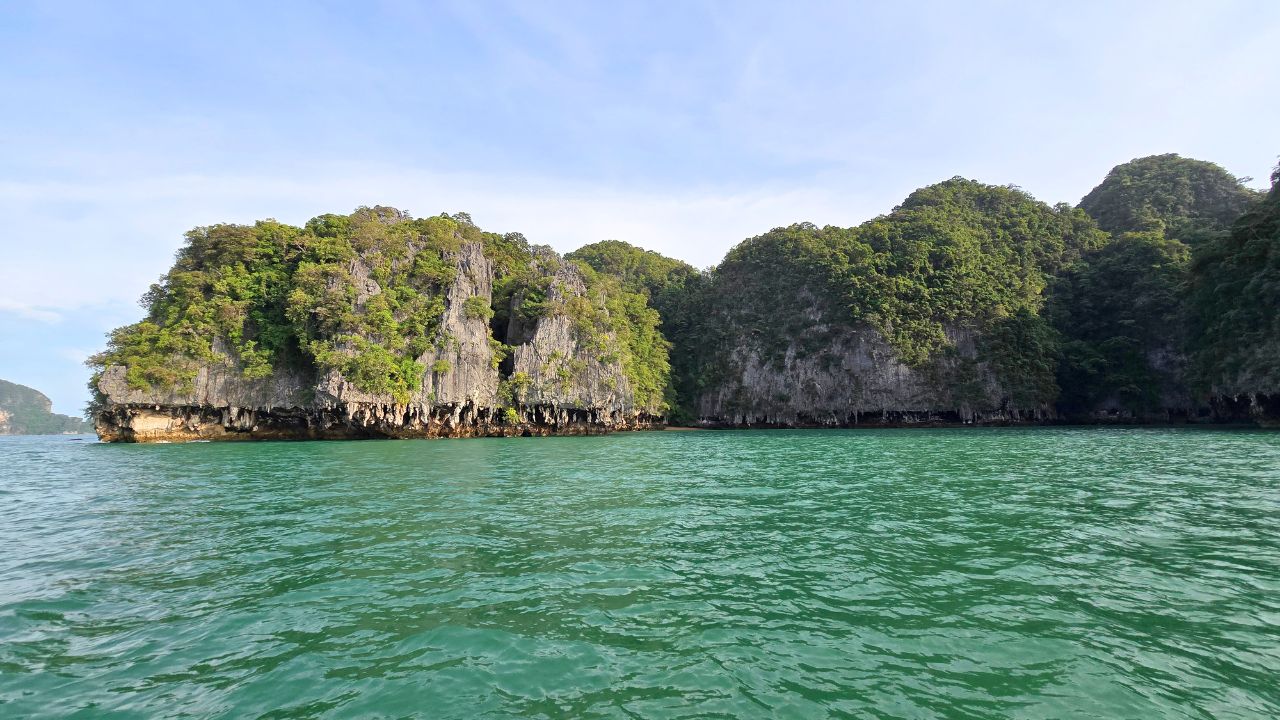
PHANG NGA BAY: Towering limestone cliffs rise vertically from emerald-green waters. Lagoons lie hidden inside the islands. Sea caves wind between gigantic rock formations. It almost looks like another planet. The amazing thing is that this landscape wasn’t created by a volcano or a major earthquake: nature took its time. About 300 million years, in fact.
MORE INFORMATION
ABOUT PHANG NGA BAY
Phang Nga Bay’s limestone karst landscape formed during the Permian period, around 280 million years ago, when marine sedimentary limestone was uplifted and erosion sculpted it into spectacular karst towers.
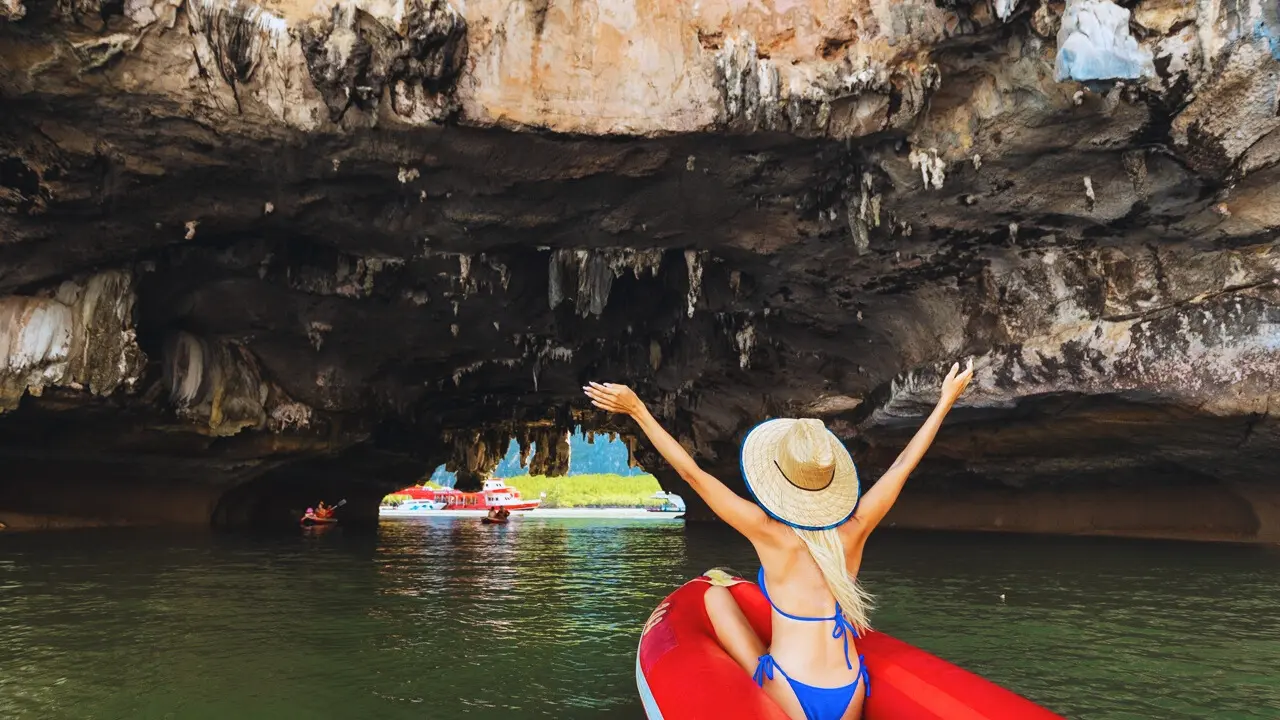
Waves continue to undercut the base of the cliffs at water level, creating caves and enclosed, tide-flooded chambers known as “hongs,” which can only be entered by kayak through low tunnels at low tide. The bay’s shallow waters have been home to fishing communities for several centuries; the Muslim fishing village on Panyee Island, built entirely on stilts over the water, has been continuously inhabited since the 18th century.
Prehistoric cave paintings in red hematite pigment, depicting human figures, animals, and fish, have been documented in several caves accessible from the bay. The bay was declared Ao Phang Nga National Park in 1981. The event that spurred its transformation into one of Southeast Asia’s leading tourist destinations was the filming of “The Man with the Golden Gun” in 1974: Guy Hamilton’s crew discovered Khao Tapu and filmed Phang Nga Bay as the route to the lair of the villain Scaramanga. The film’s release drew international attention to the bay, and tourism infrastructure developed rapidly over the following decade.
PANYEE ISLAND FLOATING VILLAGE
FLOATING VILLAGE
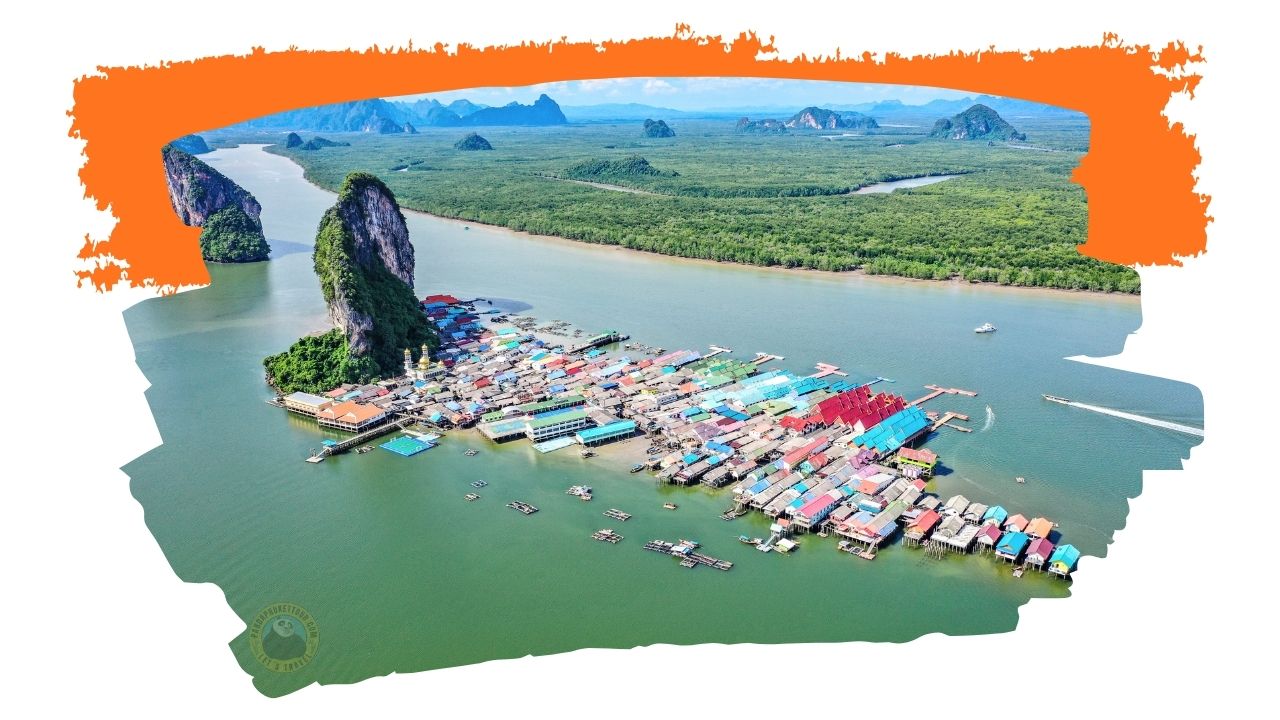
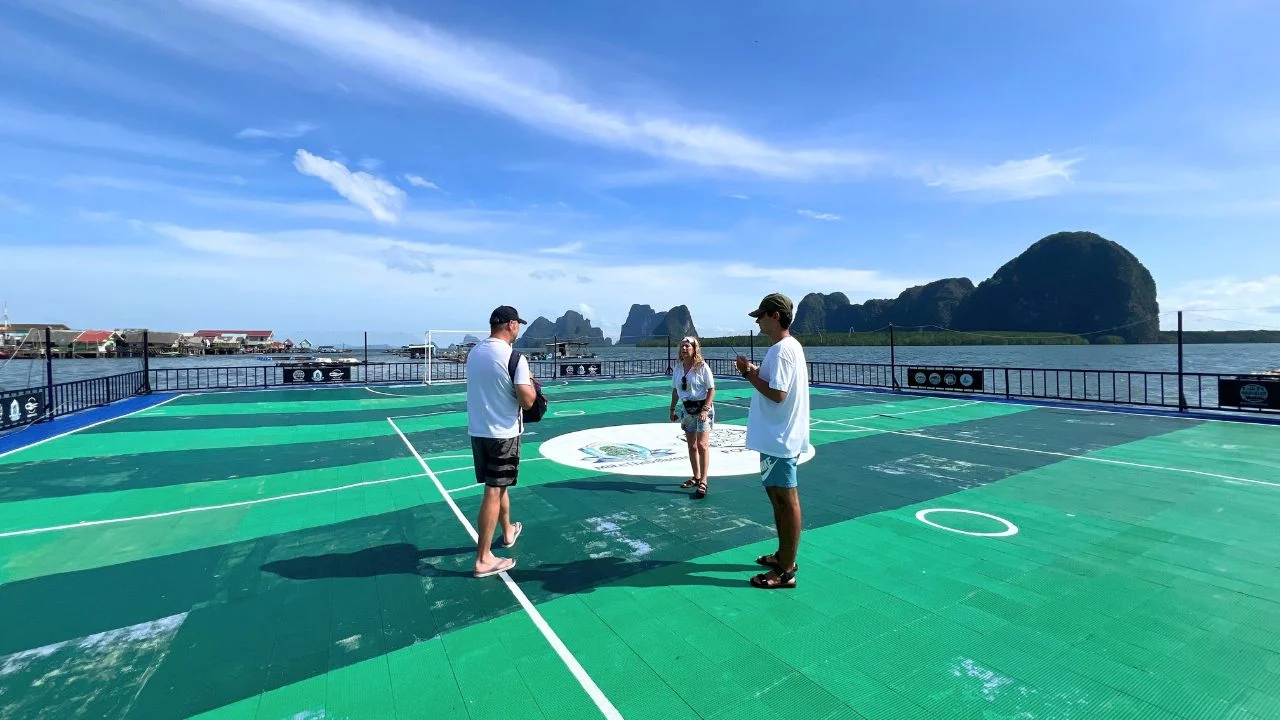
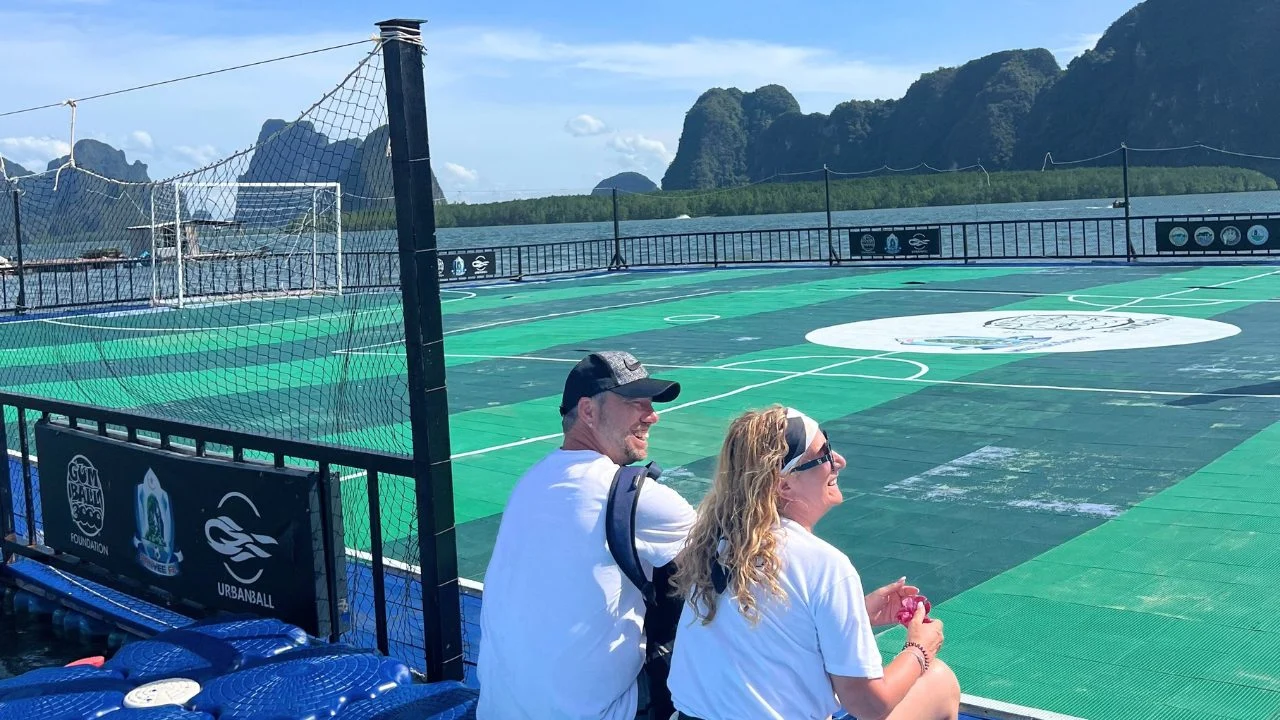
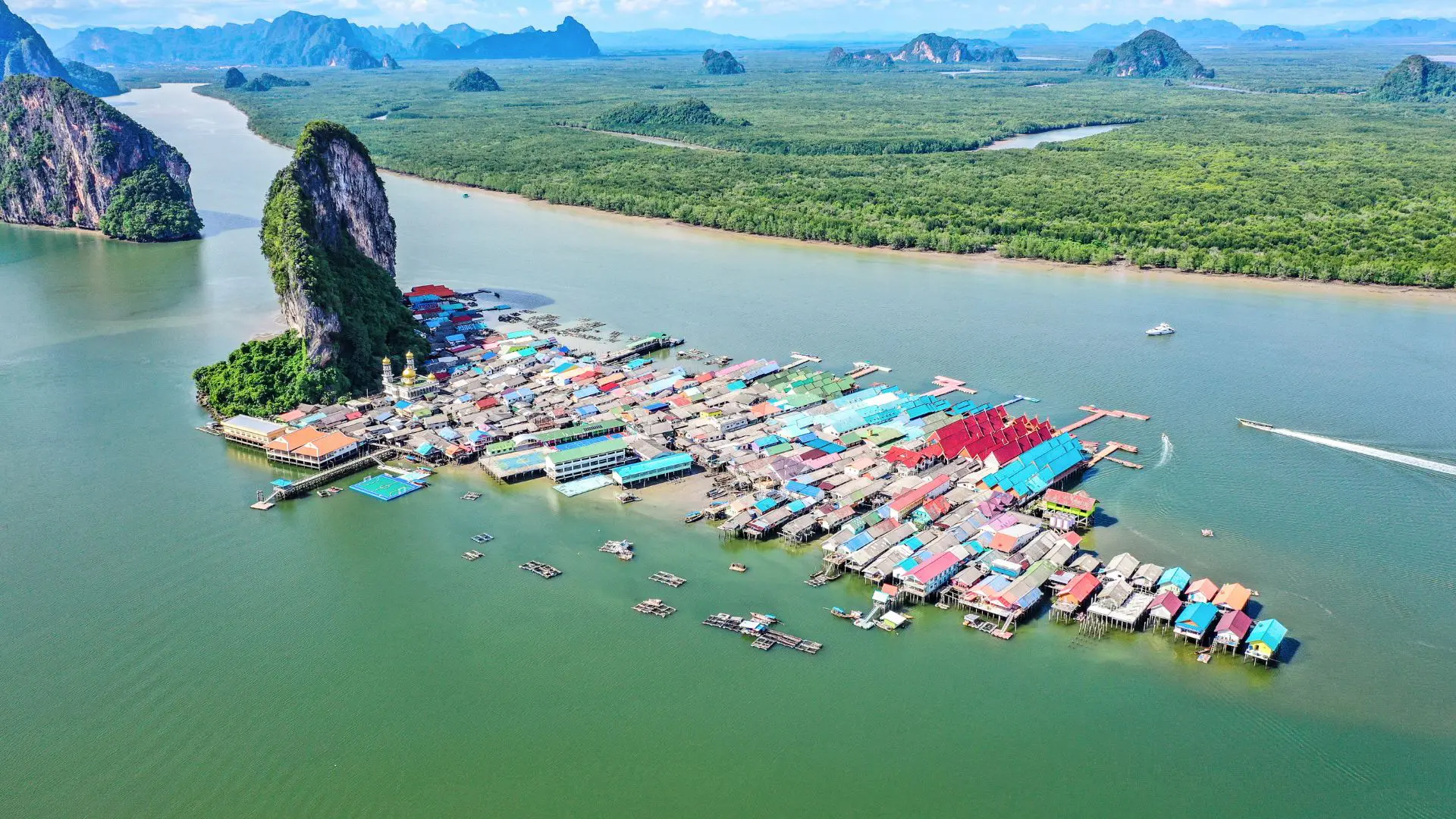
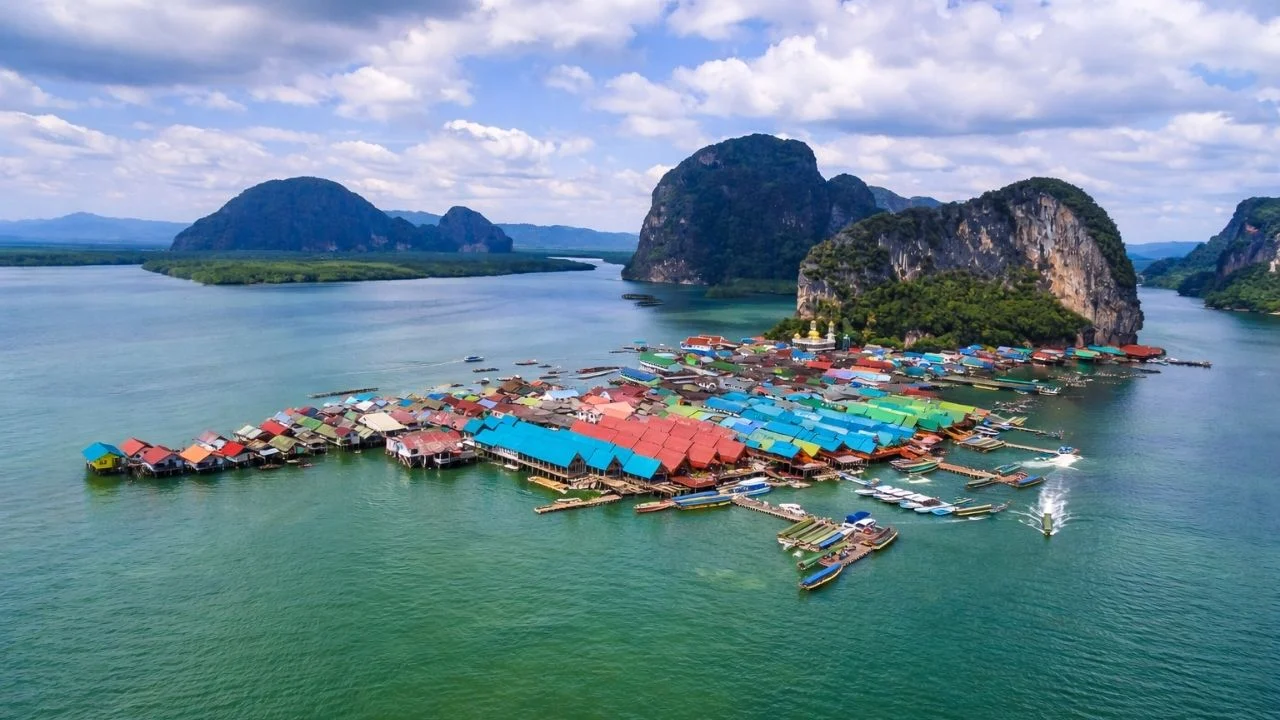
PANYEE ISLAND: Panyee Island, also known as Koh Panyee, is a fishing village in Phang Nga Province (Thailand), notable for having been built on stilts by Bugis fishermen. Its population of about 360 families, or 1,600 people, is descended from two Muslim seafaring families from Indonesia. It is located in Phang Nga Bay, near Phuket, Thailand.
MORE INFORMATION
Some widely circulated accounts claim that the founders of Panyee Island were migrants from Java. However, local oral tradition, preserved by village elders and community leaders, suggests that this interpretation may stem from a linguistic misunderstanding.
According to local accounts, the first settlers called themselves “Jawi” or “Javee,” a historical term used throughout the Malay world to refer to the Malay Muslim communities of the Nusantara region. In Thai, the term “Yawi” has historically been used to refer to Malay-speaking Muslim populations linked to the Patani cultural sphere.
Because of phonetic differences in Thai pronunciation, the word “Jawi” may sound similar to “Cha-wee” or “Ja-wee.” According to some interpretations, interviewers from outside the community may have misheard this pronunciation and believed it referred to Java, which later led to the assumption that the founders were Javanese.
To date, there is no widely cited genetic, genealogical, or documentary evidence that conclusively proves that Panyee Island’s founding population was ethnically Javanese. The village’s cultural traits, such as its sea-based way of life, its settlements built over the water, and its Malay Muslim customs, are also consistent with broader Malay maritime traditions found historically throughout the region.
ABOUT PANYEE ISLAND
- Panyee Island lies in Phang Nga Bay, which is characterized by its limestone karst formations, caves, and mangroves.
- Panyee Island is known for its floating village, built on stilts over the water. The entire community, including the houses, shops, and a mosque, stands on wooden platforms. It offers a glimpse into the unique cultural heritage and traditional way of life of its inhabitants.
- The history of Panyee Island goes back several generations, to when a group of Muslim families from Indonesia settled in the area.
- The founding families established the village on the island to make a living from fishing and preserve their cultural traditions.
JAMES BOND ISLAND
KHAO TAPU
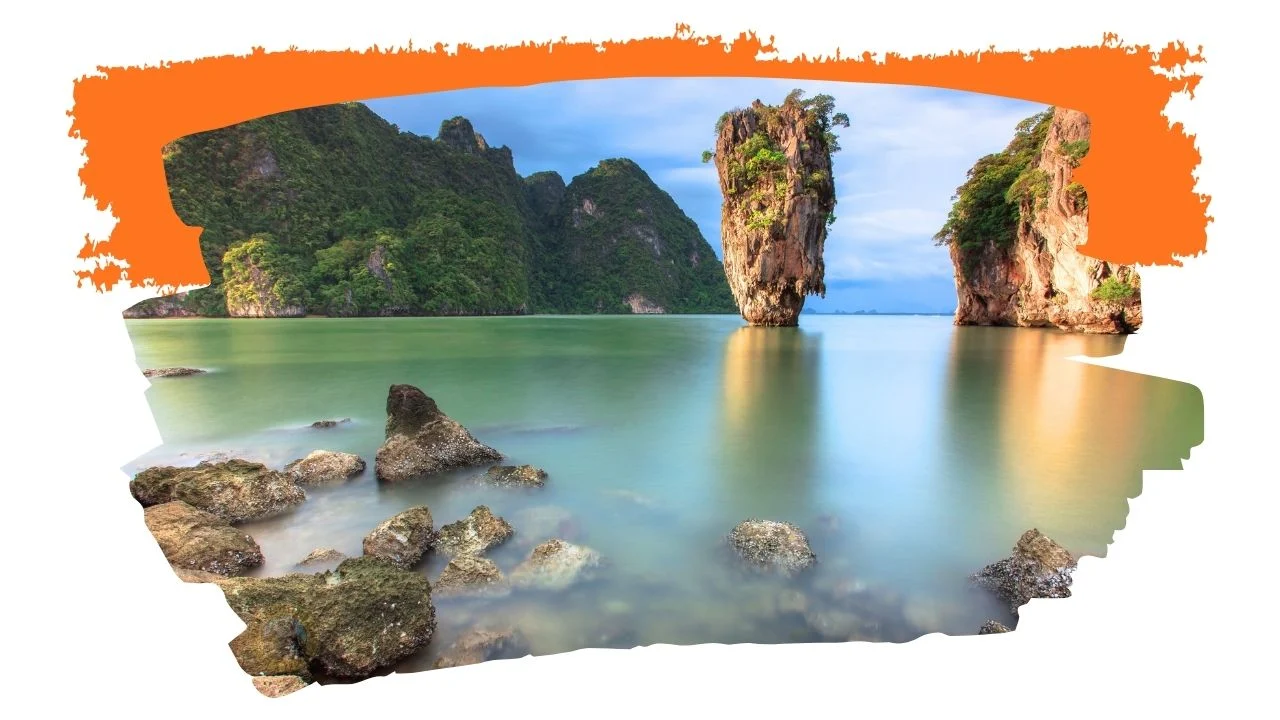
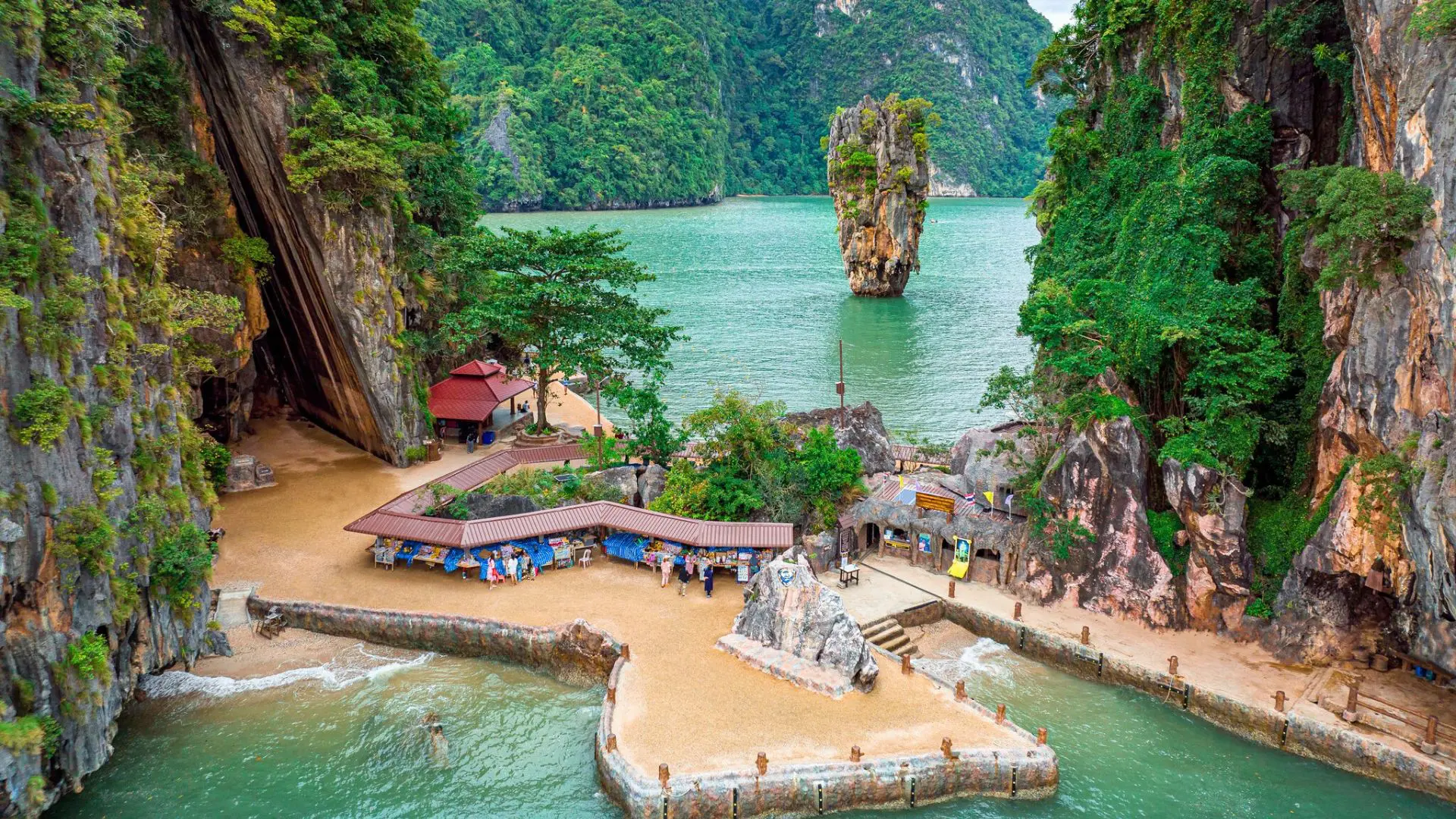
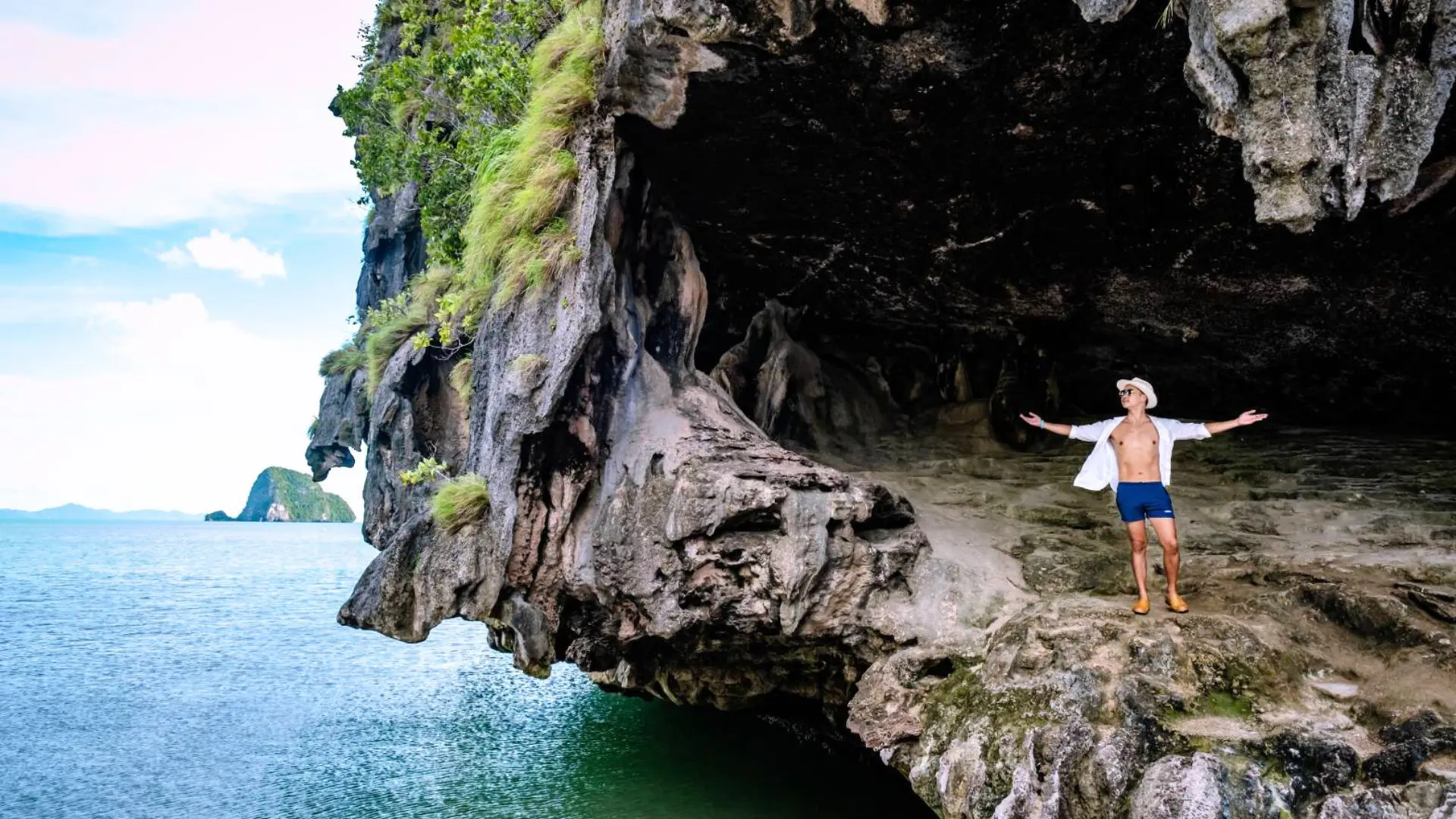
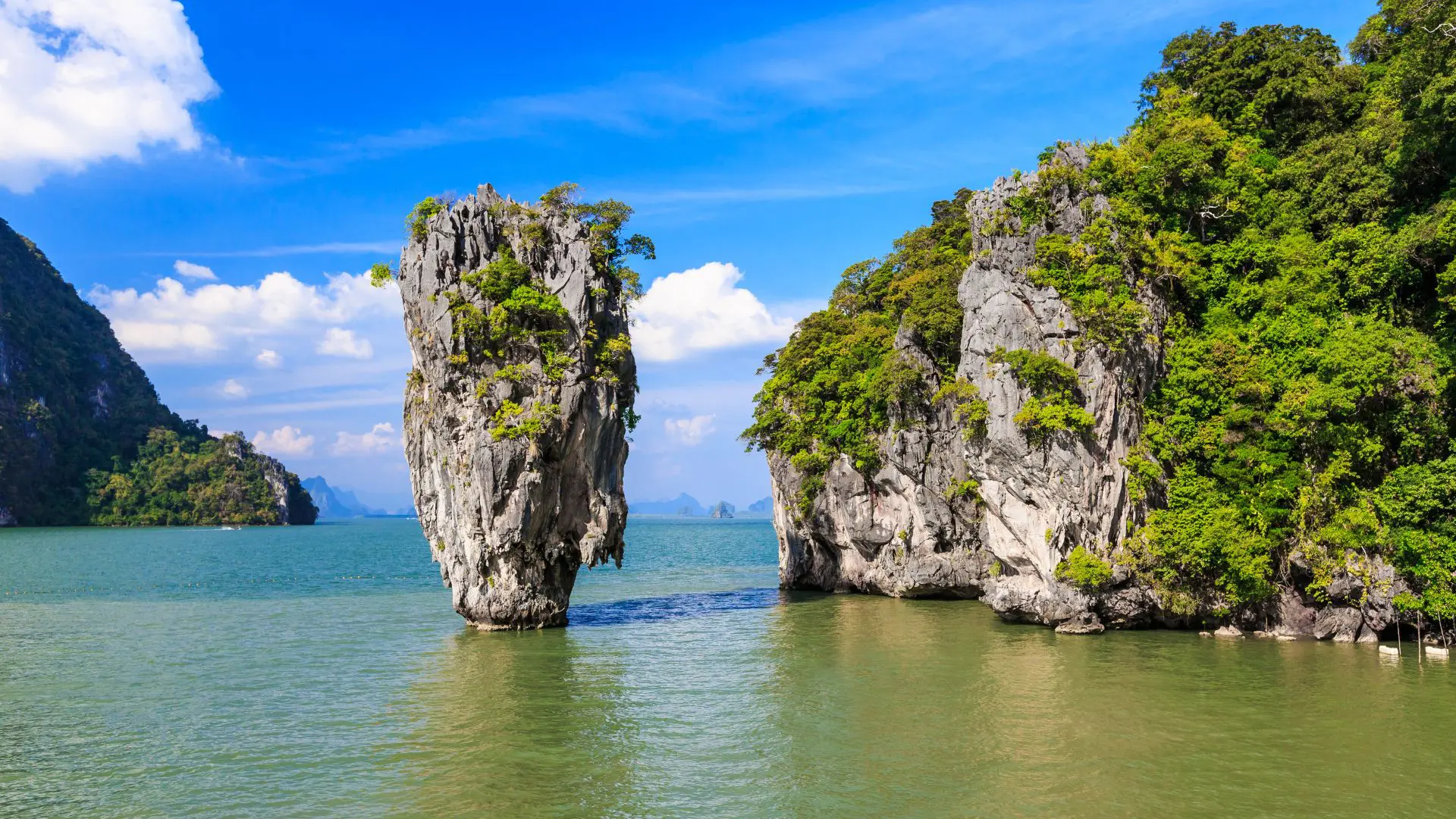
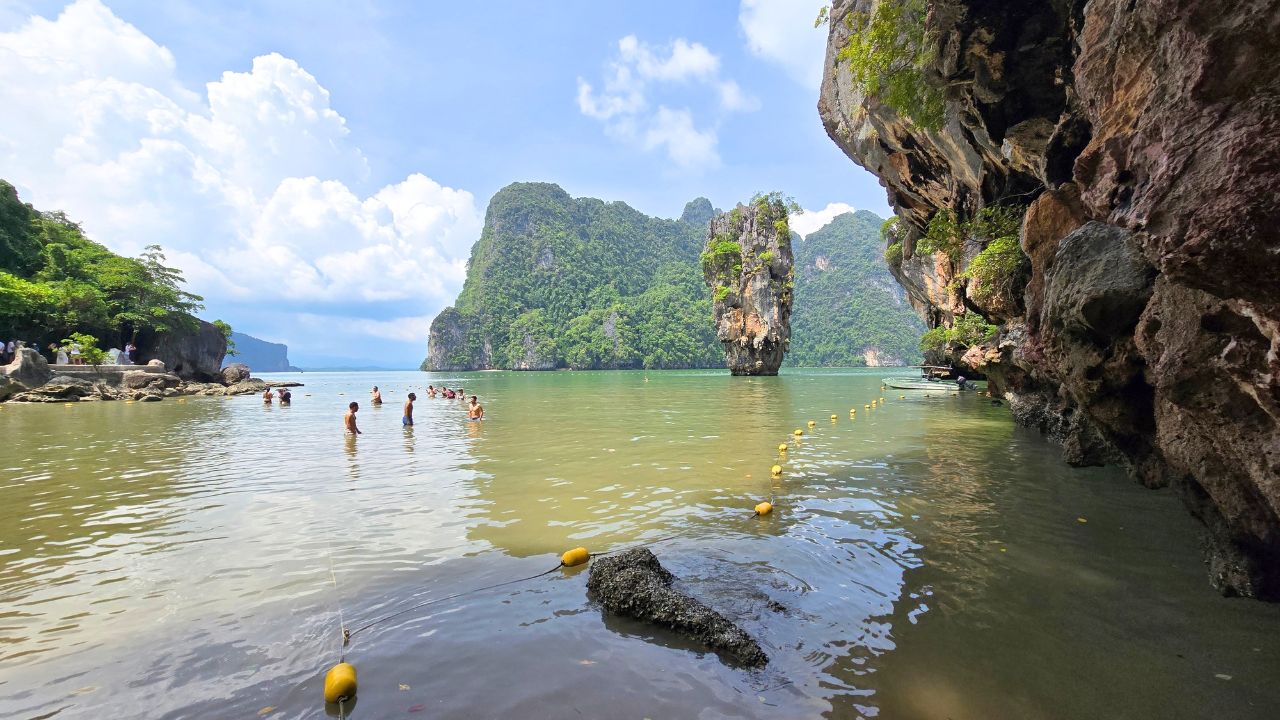
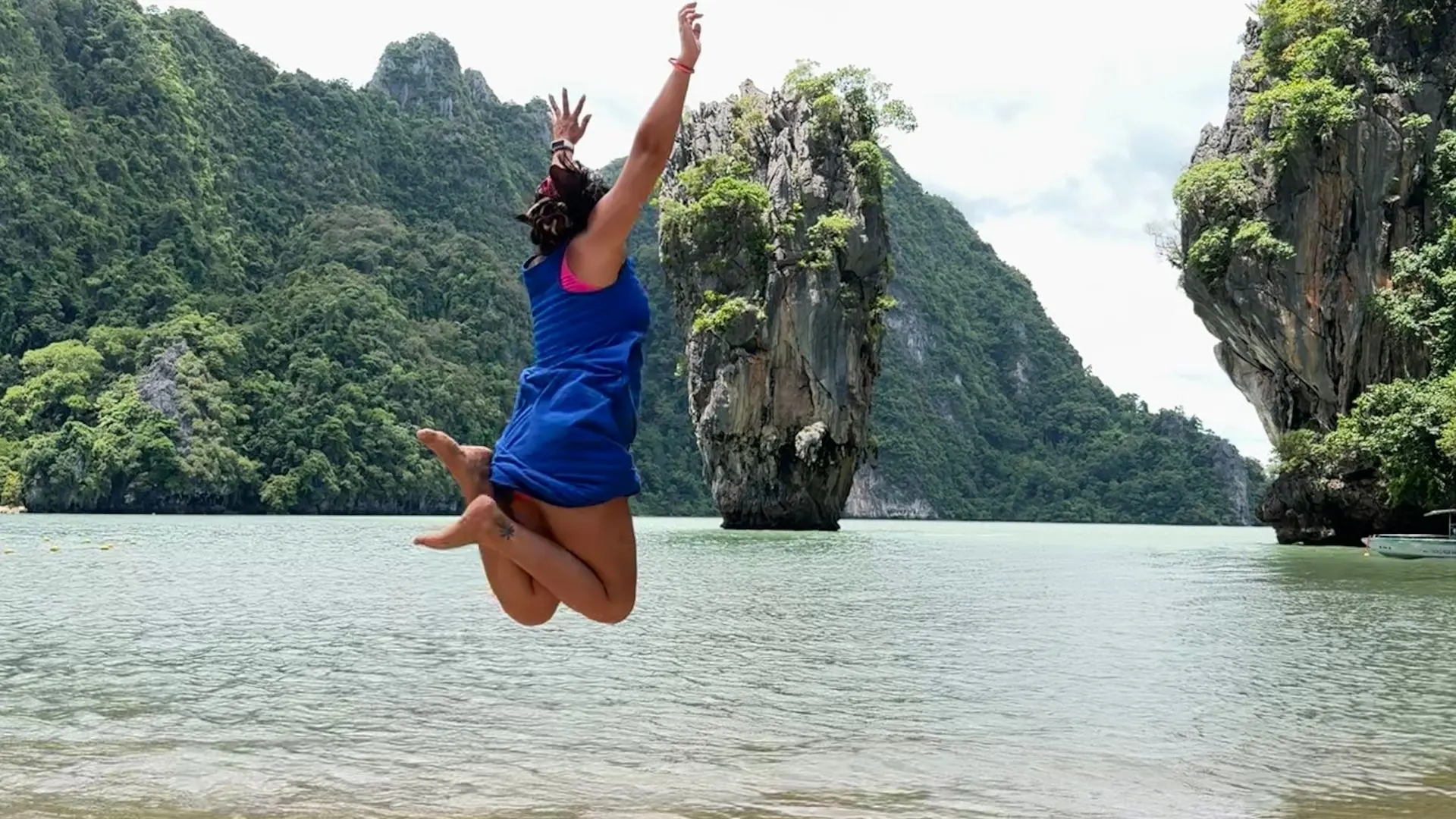
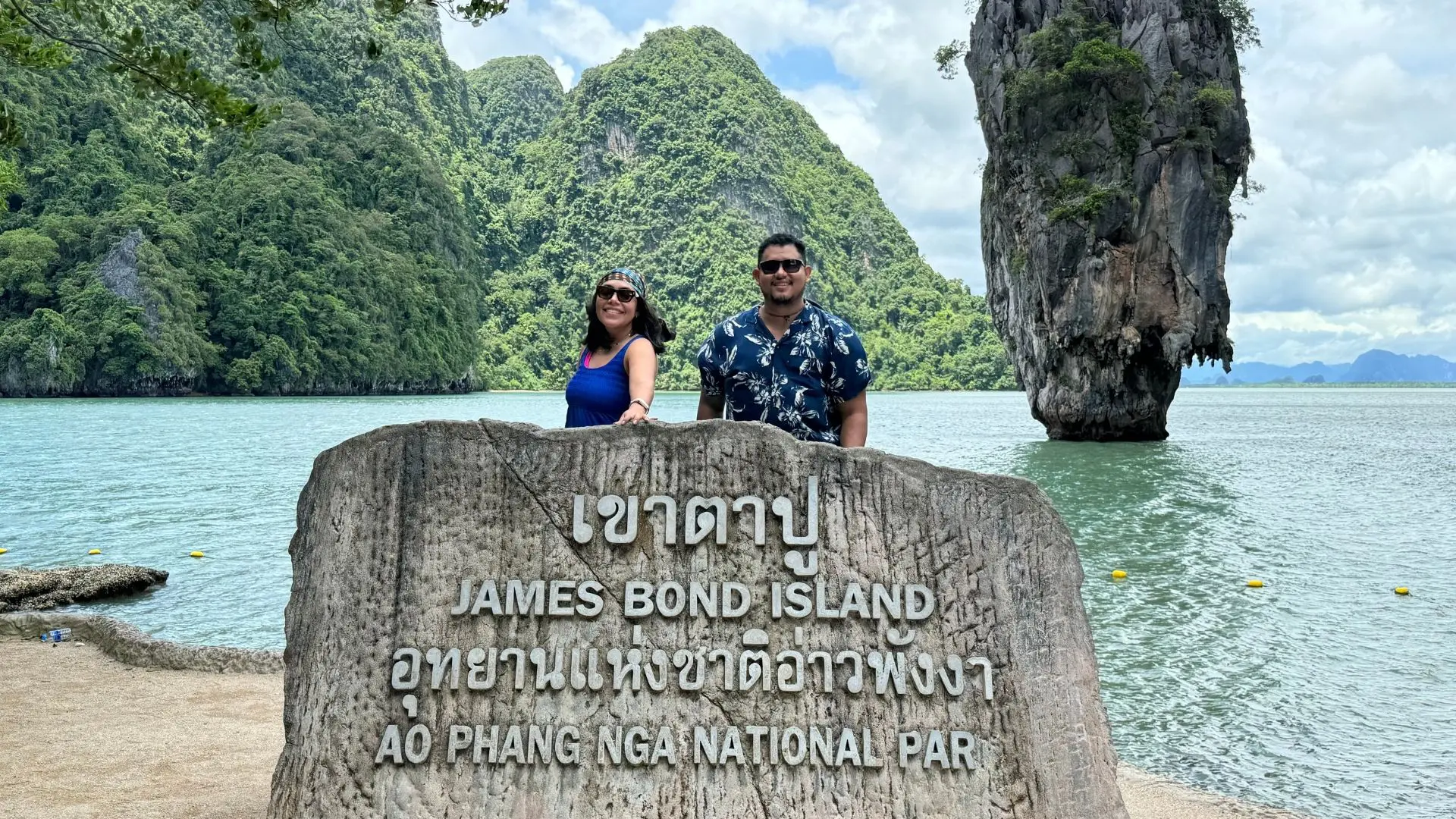
JAMES BOND ISLAND: James Bond Island owes much of its fame to its starring role in “The Man with the Golden Gun.” This classic Bond film, with Roger Moore as Agent 007, showcased the island’s spectacular scenery as the secret lair of the villain Francisco Scaramanga.
The contrast between the villain’s menacing lair and the island’s natural beauty created an unforgettable cinematic spectacle and etched James Bond Island into the annals of film history. Today, visitors flock to this iconic spot, eager to follow in the footsteps of their favorite fictional spy and soak up the allure of the world of espionage.
MORE INFORMATION
VISIT TO PHANG NGA’S HISTORIC ROCK
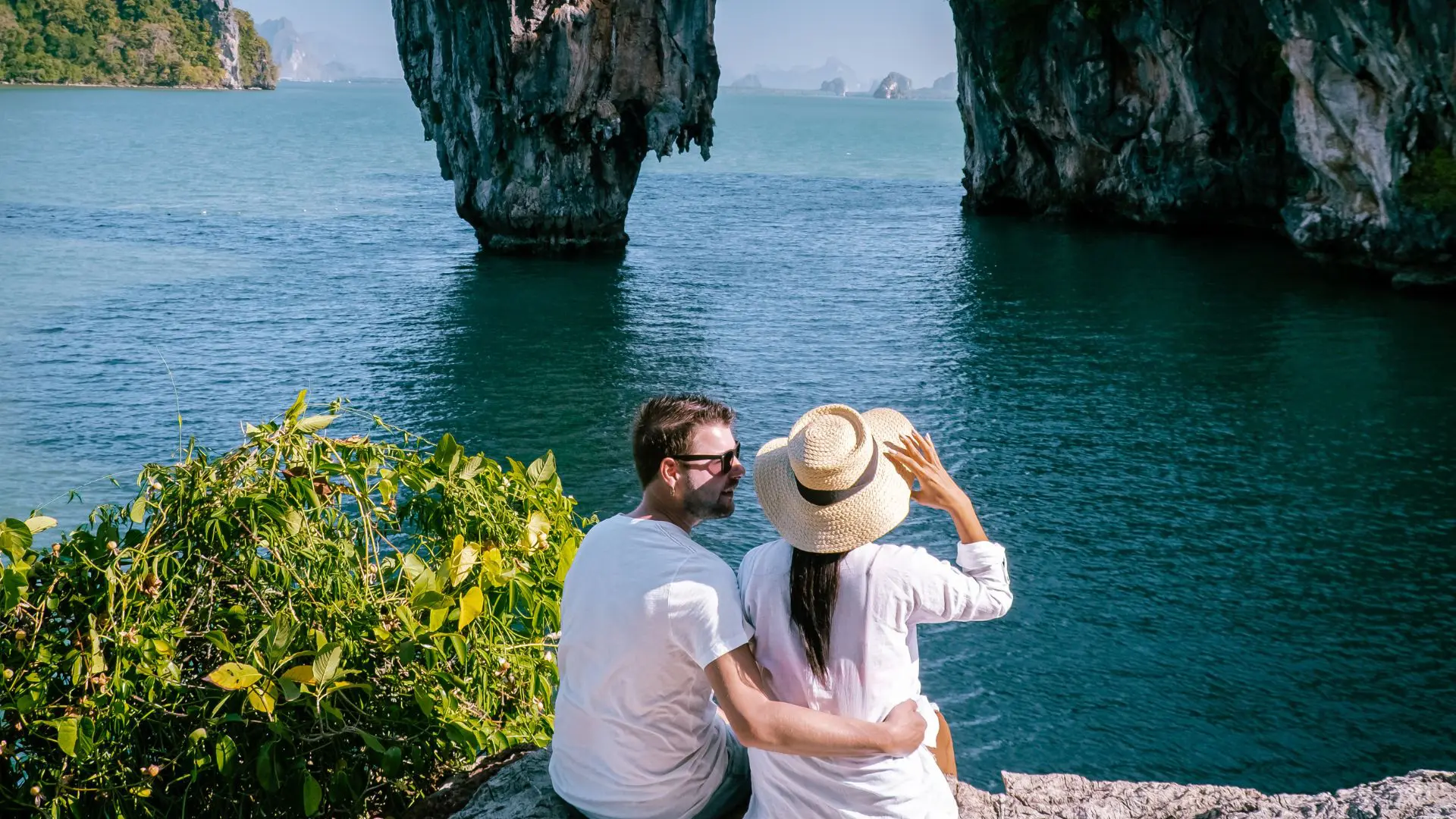
James Bond Island, also known as Khao Phing Kan, is a famous tourist destination in Phang Nga Bay, Thailand.
ABOUT JAMES BOND ISLAND
- It is part of Ao Phang Nga National Park.
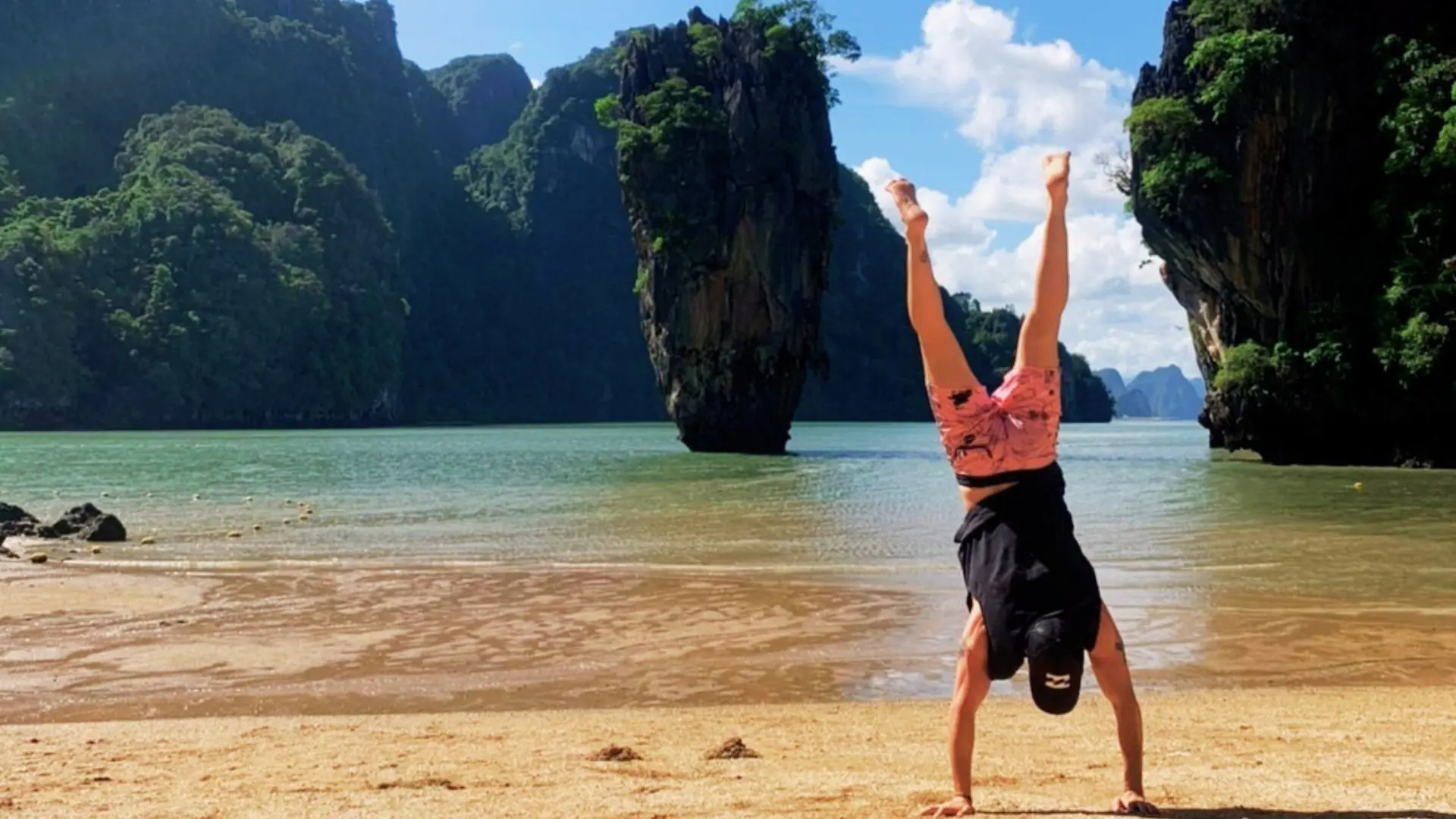
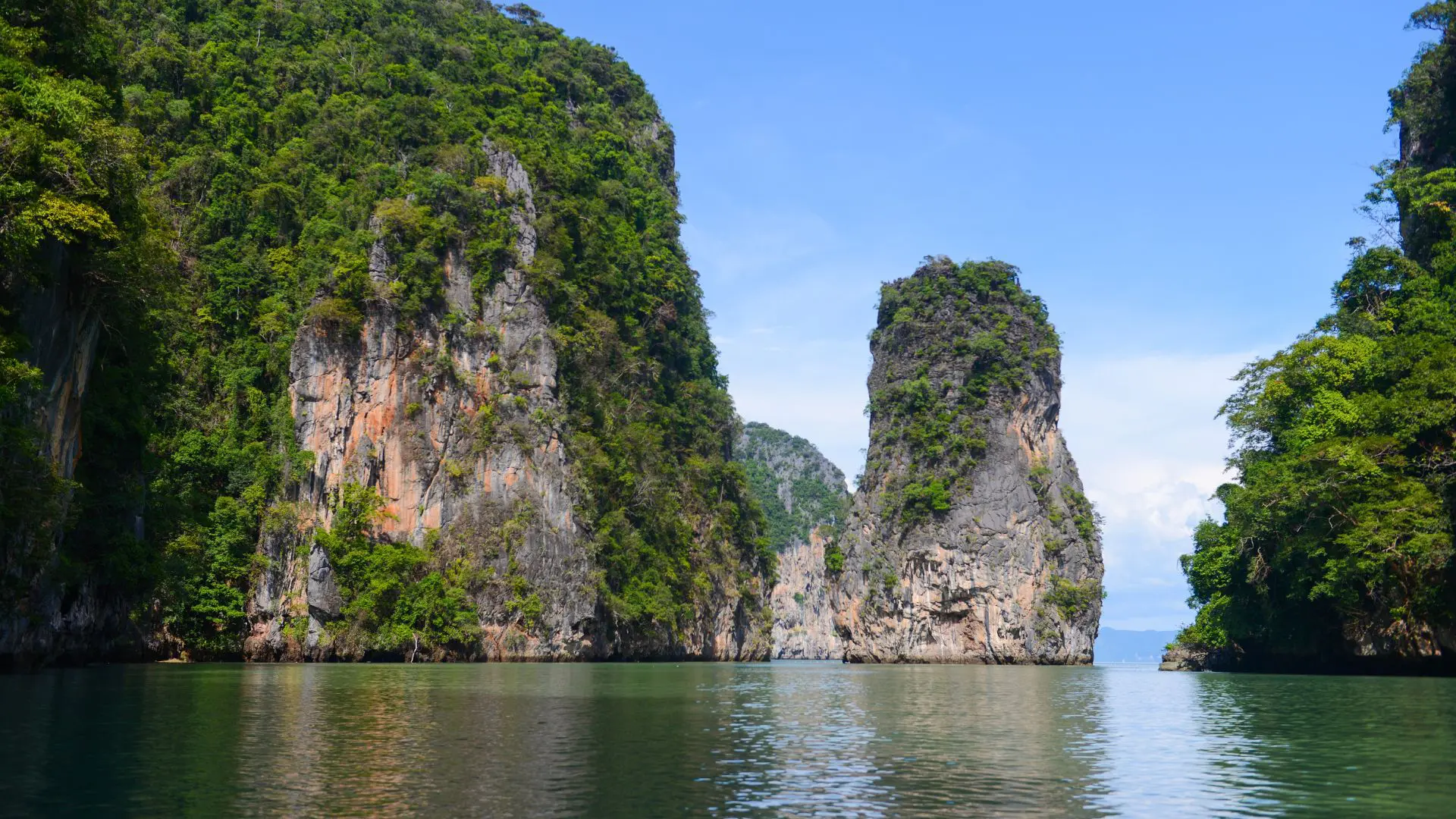
- James Bond Island rose to international fame after appearing in the 1974 James Bond film “The Man with the Golden Gun.” Its signature feature is its iconic limestone formation: a tall, slender rock called Khao Tapu, which rises dramatically from the sea. In Thai, Tapu means “nail.”
- The island is known for its picturesque beauty, towering limestone cliffs, and emerald-green waters.
- Before appearing in the film, James Bond Island was relatively unknown and little explored.
- Like other islands in Phang Nga Bay, James Bond Island is made up mainly of limestone, a sedimentary rock formed by the build-up of marine organisms over millions of years.
- The island’s unique limestone karst formations and caves provide a habitat for a variety of plant and animal species, such as mangroves, birds, reptiles, and small mammals.
PANAK ISLAND
SCENIC CRUISE
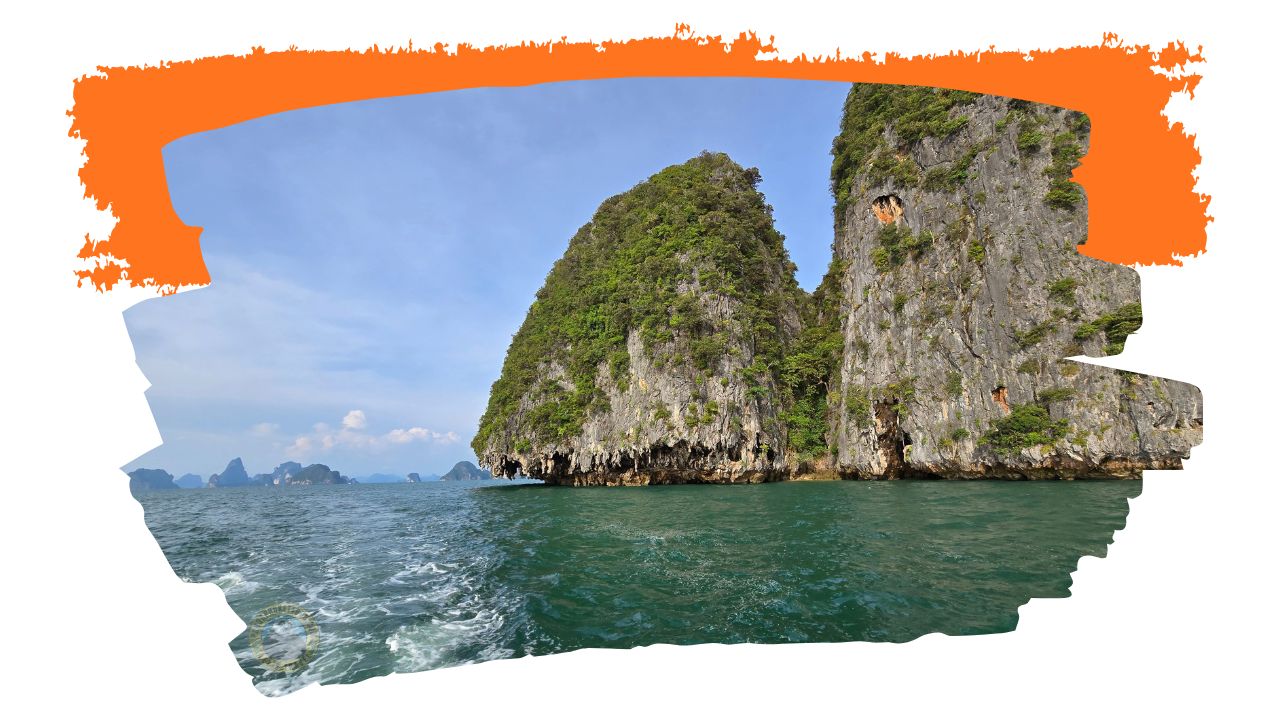
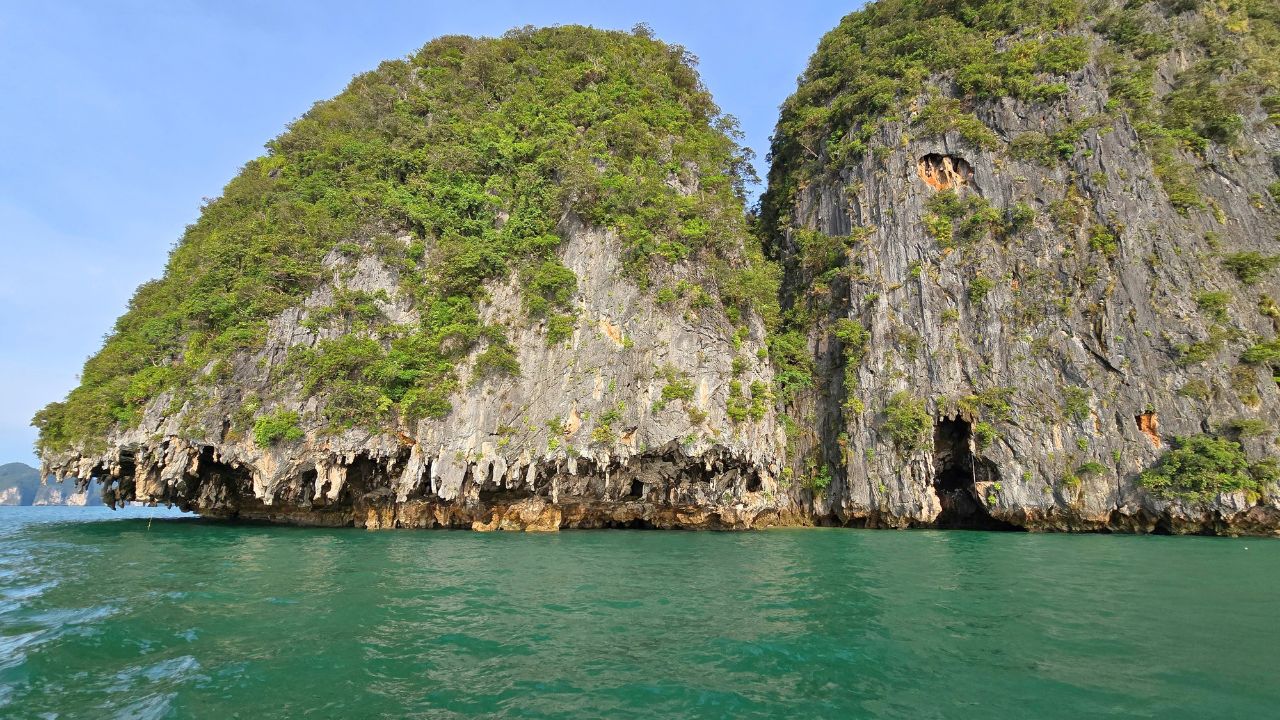
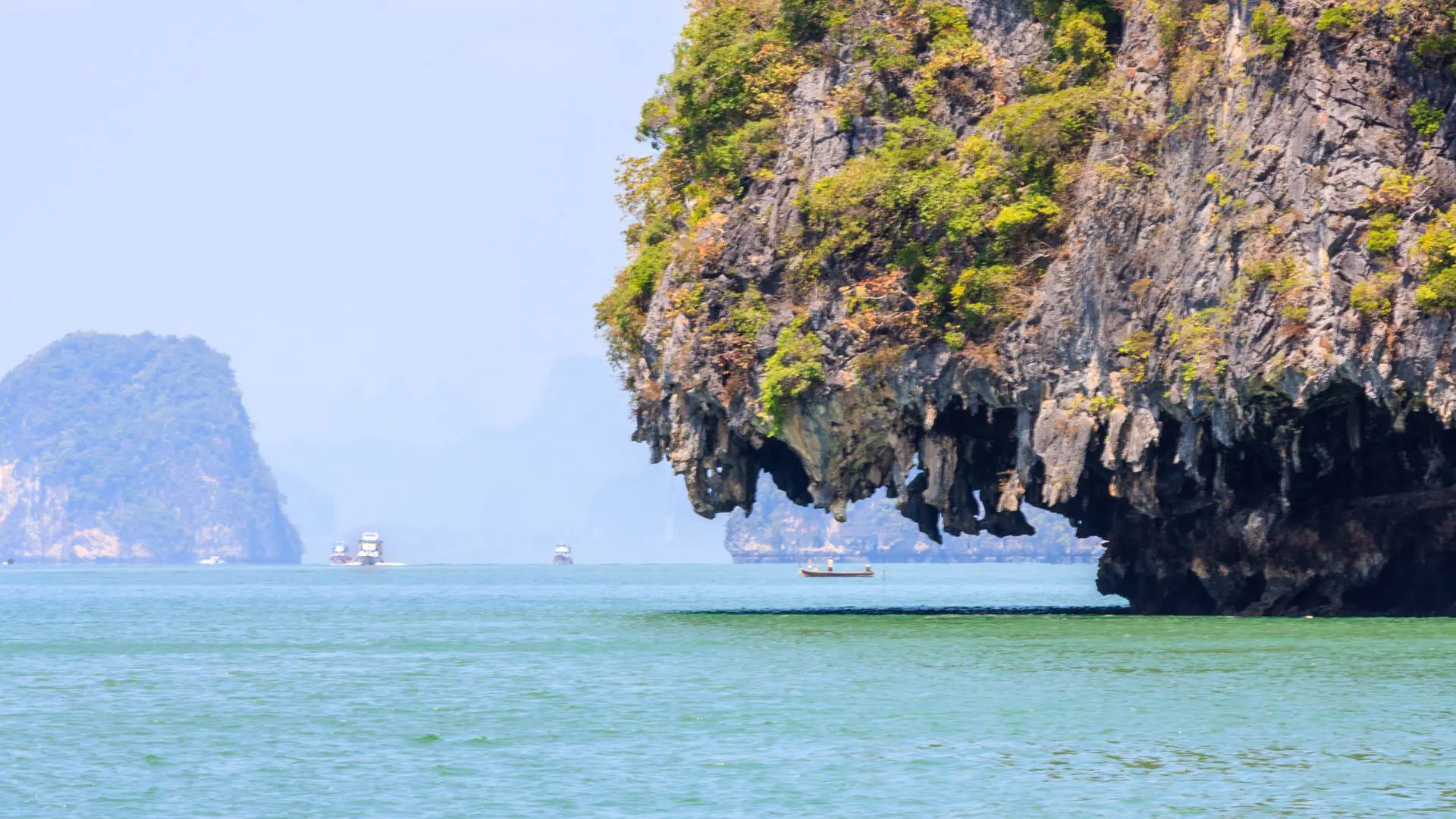
PANAK ISLAND: Like the rest of Phang Nga Bay, Panak Island was formed millions of years ago from sedimentary layers and the build-up of marine organisms on the floor of a tropical ocean.
MORE INFORMATION
ABOUT PANAK ISLAND
- Panak Island is part of Ao Phang Nga National Park, known for its stunning limestone karst formations, hidden lagoons, and picturesque scenery.
- Its steep cliffs, caves, and lush vegetation give it a wild, adventurous feel.
- Like many islands in Phang Nga Bay, Panak Island has a long history: for centuries it has been inhabited by indigenous communities and has served as a shelter and a source of resources for local fishermen and traders.
- The island’s limestone cliffs and caves provide a habitat for a wide variety of plant and animal species, such as mangroves, bats, and reptiles.
- Its lagoons and caves are a fine example of the area’s geological wonders and natural riches. It is important to respect these fragile ecosystems and follow the park rules to preserve Panak Island.
YAO YAI ISLAND
TIME TO RELAX
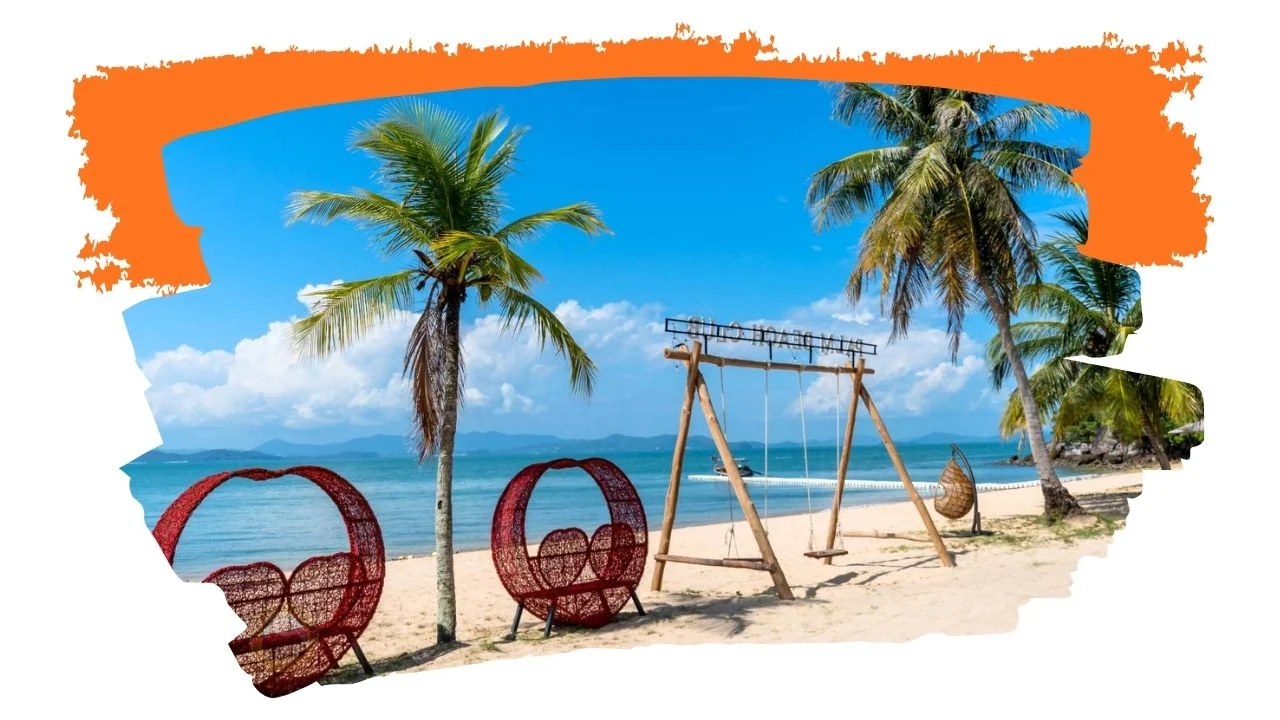
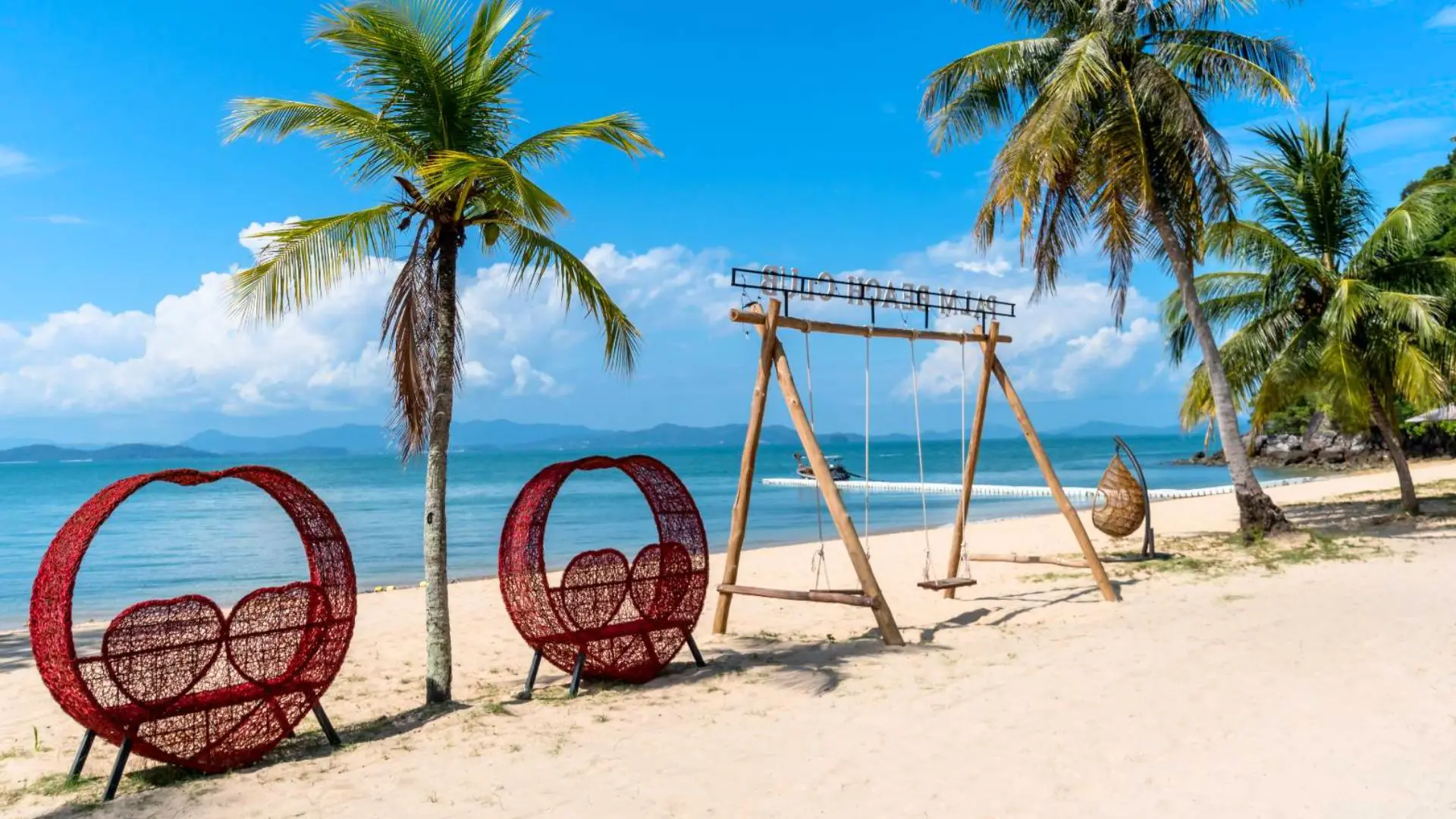
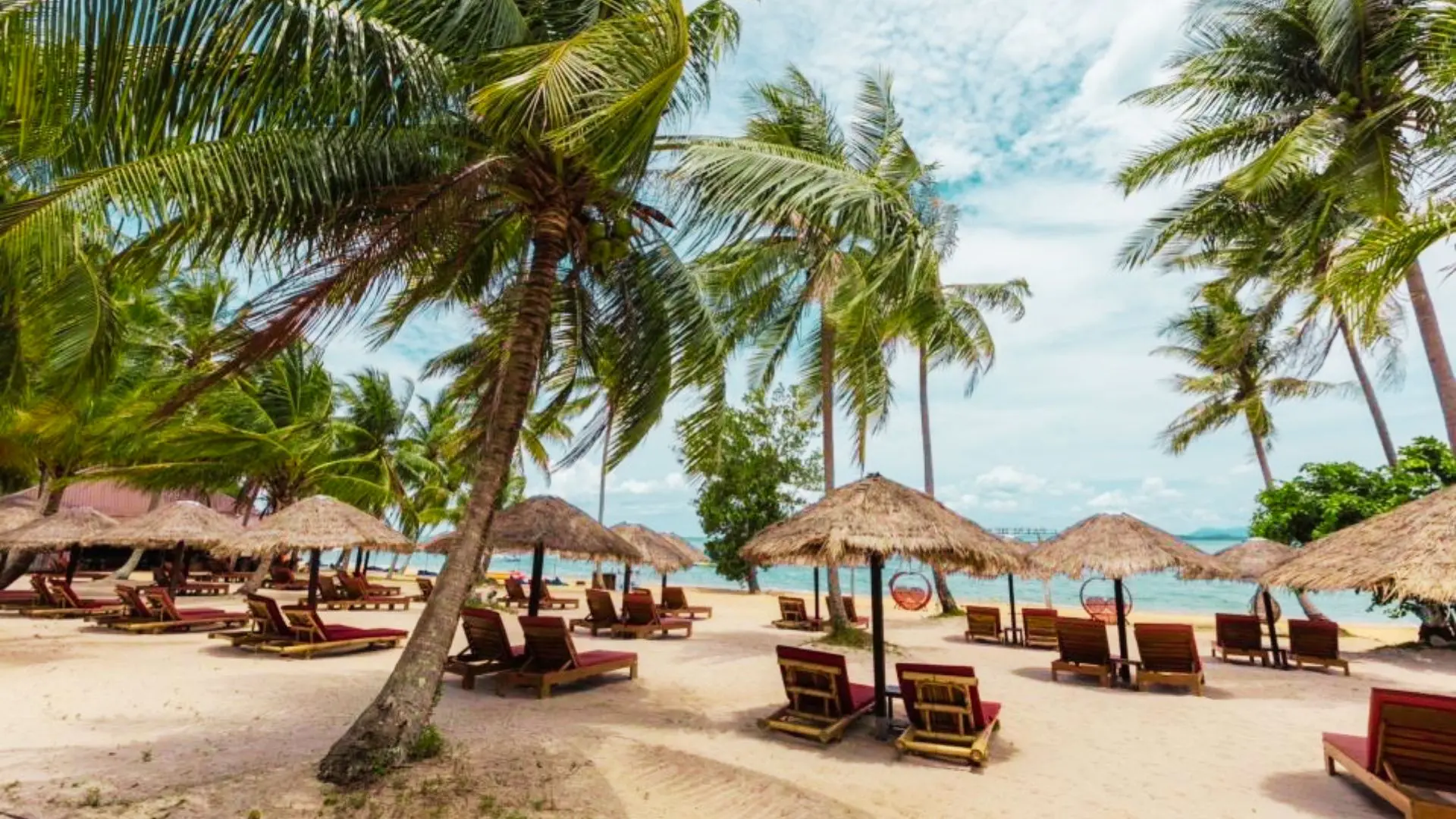
PALM BEACH CLUB: The Palm Beach Club on Yao Yai Island is a peaceful tropical beach spot in Phang Nga Bay, an ideal place to stop and unwind during the island tour.
MORE INFORMATION
PREMIUM CATAMARAN TOUR FROM PHUKET
GROUP TOUR
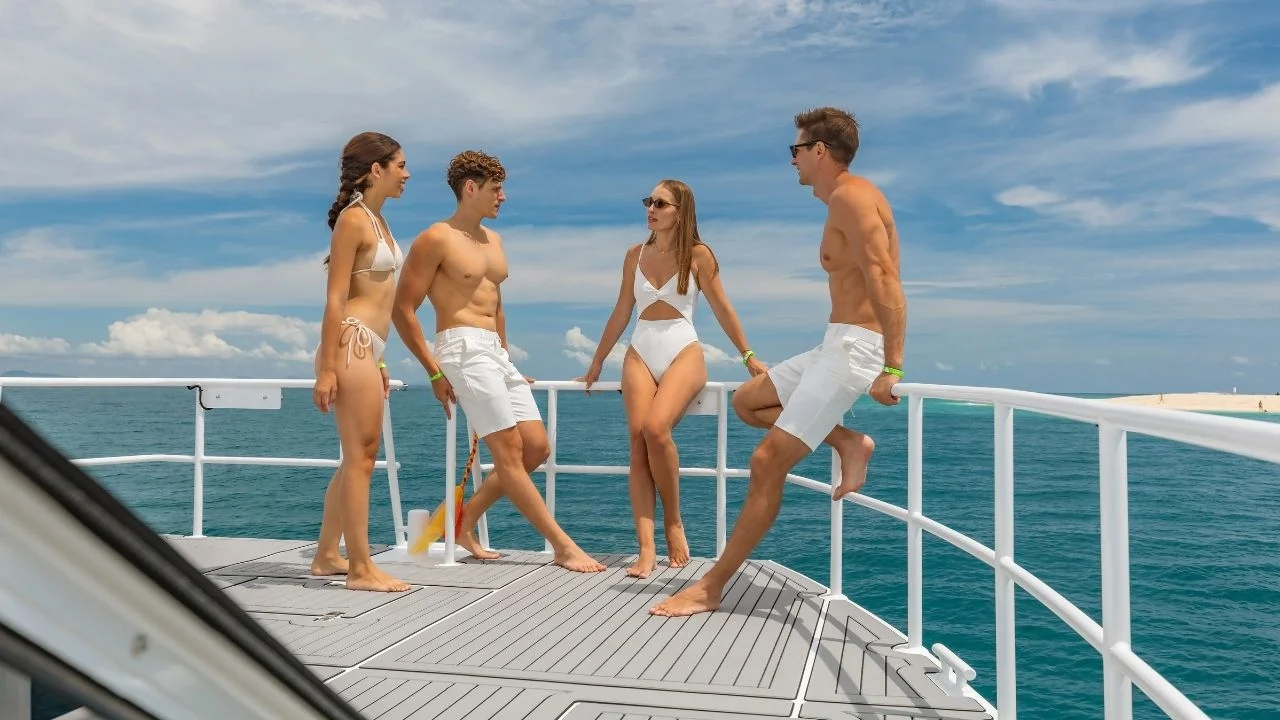
A new day trip from Phuket: turn your holiday into unforgettable memories of the Andaman Sea, with time to swim and relax on the beach in one of the most beautiful spots in Thailand.
MORE ABOUT WHAT IS INCLUDED
- Round-trip hotel transfer
- Travel accident insurance
- English-speaking guide
- Soft drinks and drinking water
- Canoe ride
- Seasonal fruit and appetizers
- Life jacket
- Lunch
- National park fees
- Towel
- First aid kit
-
Additional activities or services not specified in the program
-
The itinerary may change without prior notice depending on the tide and weather conditions.
-
Children and infants must be accompanied by an adult at all times.
-
Not recommended for pregnant women or people with heart conditions, back or neck problems, or other serious health issues.
-
We recommend bringing swimwear, a change of clothes, sunscreen, a hat, sunglasses, a camera or waterproof camera, and your regular medication.
-
A vegetarian option is available: if you need it, let us know when you book.
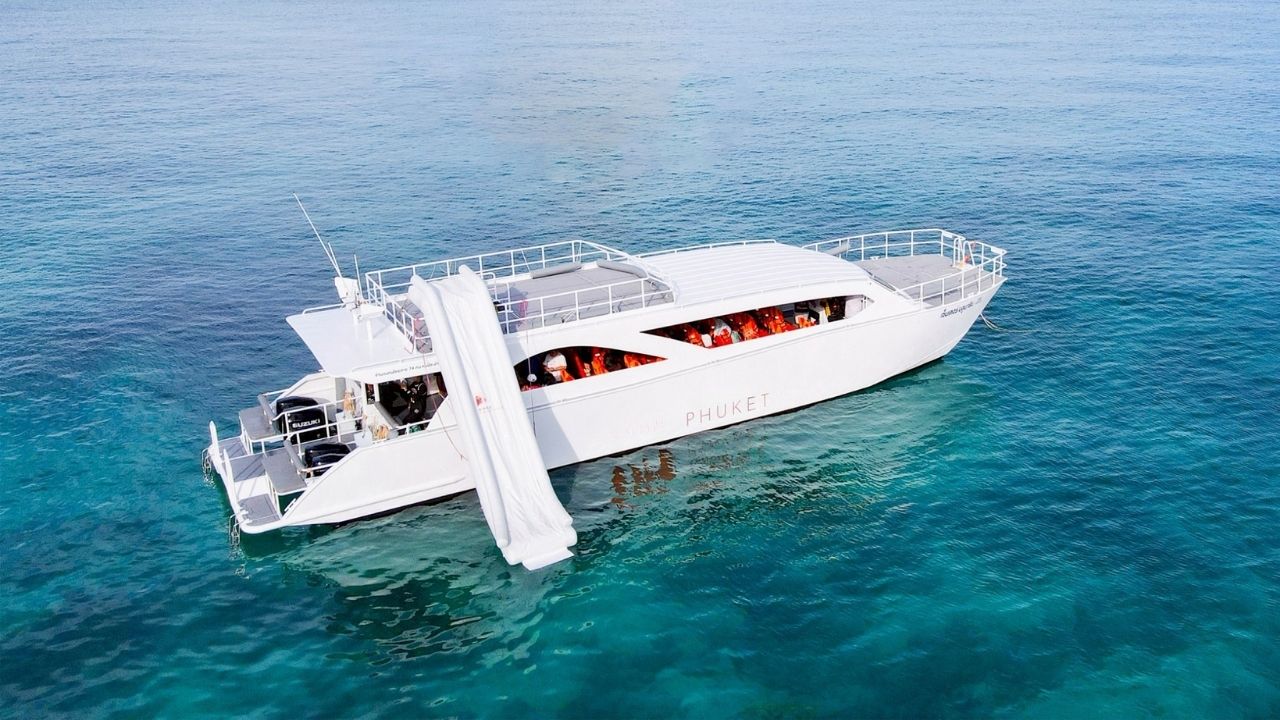
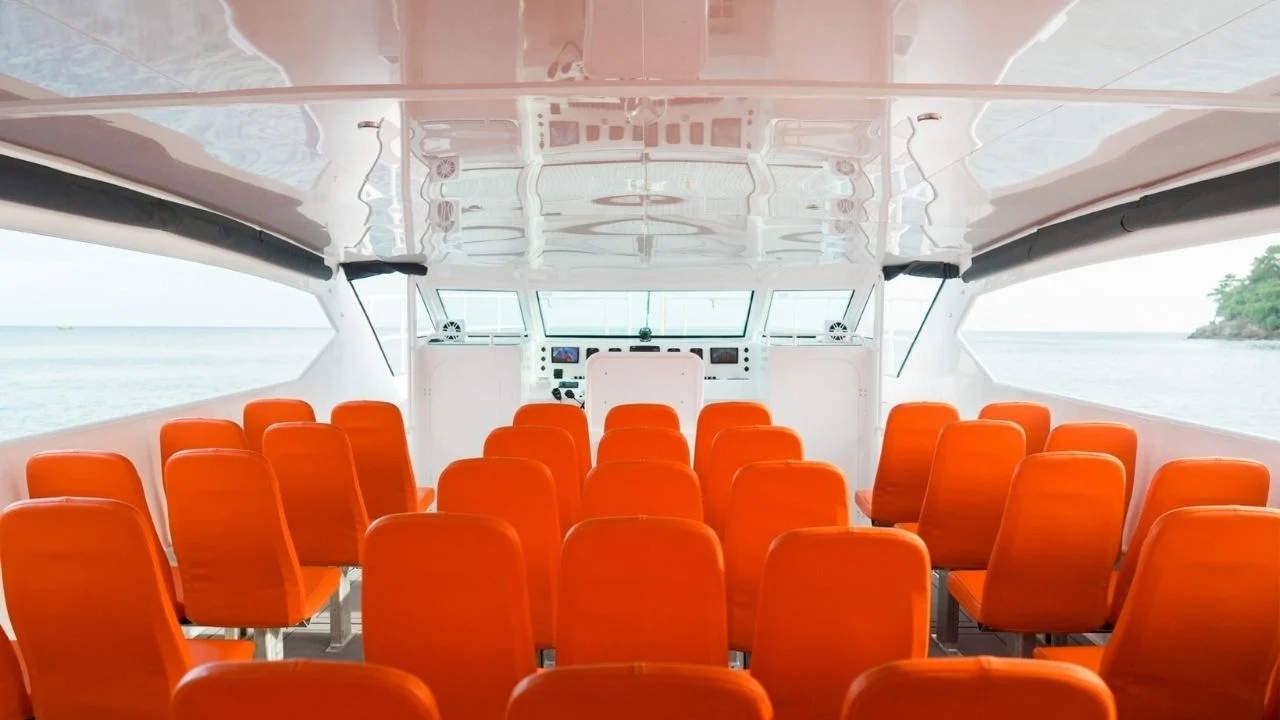


PREMIUM CATAMARAN: PHANG NGA BAY AND JAMES BOND ISLAND
AO PHANG NGA NATIONAL PARK
AO PHANG NGA
MORE INFORMATION
ITINERARY
-
08:30 – 10:00 > Pickup from your hotel in Phuket (we’ll confirm the exact time when you book).
-
10:30 > CHECK-IN: Welcome reception with soft drinks.
-
11:00 > HONG ISLAND (PHANG NGA): Departure from the marina, sailing to our first destination, Hong Island. Canoe trip around the island, taking in a landscape ringed by limestone mountains.
- PHANG NGA BAY: Enjoy the panoramic views during the cruise.
-
PANYEE ISLAND: Enjoy a buffet lunch and visit the floating village.
- JAMES BOND ISLAND: Visit Khao Phing Kan (James Bond Island) and the famous Khao Tapu rock. Snap photos as if you were in a 007 film and take home great memories of Phang Nga.
-
PANAK ISLAND: Scenic cruise among rocky mountains and green waters, surrounded by Phang Nga’s natural beauty.
- YAO YAI ISLAND: Stop at the Palm Beach Club to relax on the beach and go for a swim.
-
18:30 > RETURN TO THE PIER: Cruise back to CoCo Pier with a dinner box included and memories of an unforgettable day.
HONG ISLAND (PHANG NGA)
CANOE TRIP: The word “Hong” means “room” or “chamber” in Thai, and describes the inner lagoons, surrounded by caves, hidden in the heart of the towering limestone karst islands of Phang Nga Bay. The beautiful Hong Island lies in this bay, between the provinces of Phuket and Krabi.
MORE INFORMATION
The limestone formations of Phang Nga Bay began as marine deposits of shells, corals, and skeletons that were compacted into sedimentary rock and later uplifted by tectonic movements.
ABOUT HONG ISLAND
- It is part of Ao Phang Nga National Park, which covers the area’s spectacular limestone karst islands and unique ecosystems.
- Hong Island has a rich history: for centuries it has been home to indigenous communities living off the natural resources of the island and the surrounding bay.
- The island’s limestone cliffs, caves, and rock formations provide a habitat for a variety of plant and animal species, such as mangroves, monkeys, birds, and reptiles.
- Exploring its caves and hidden lagoons lets you discover the area’s geological wonders and natural riches up close. It is essential to respect these fragile ecosystems, follow the park rules, and practice responsible tourism to preserve Hong Island.

PHANG NGA BAY
PHANG NGA BAY: Towering limestone cliffs rise vertically from emerald-green waters. Lagoons lie hidden inside the islands. Sea caves wind between gigantic rock formations. It almost looks like another planet. The amazing thing is that this landscape wasn’t created by a volcano or a major earthquake: nature took its time. About 300 million years, in fact.
MORE INFORMATION
ABOUT PHANG NGA BAY
Phang Nga Bay’s limestone karst landscape formed during the Permian period, around 280 million years ago, when marine sedimentary limestone was uplifted and erosion sculpted it into spectacular karst towers.
Waves continue to undercut the base of the cliffs at water level, creating caves and enclosed, tide-flooded chambers known as “hongs,” which can only be entered by kayak through low tunnels at low tide. The bay’s shallow waters have been home to fishing communities for several centuries; the Muslim fishing village on Panyee Island, built entirely on stilts over the water, has been continuously inhabited since the 18th century.
Prehistoric cave paintings in red hematite pigment, depicting human figures, animals, and fish, have been documented in several caves accessible from the bay. The bay was declared Ao Phang Nga National Park in 1981. The event that spurred its transformation into one of Southeast Asia’s leading tourist destinations was the filming of “The Man with the Golden Gun” in 1974: Guy Hamilton’s crew discovered Khao Tapu and filmed Phang Nga Bay as the route to the lair of the villain Scaramanga. The film’s release drew international attention to the bay, and tourism infrastructure developed rapidly over the following decade.
PANYEE ISLAND FLOATING VILLAGE
PANYEE ISLAND: Panyee Island, also known as Koh Panyee, is a fishing village in Phang Nga Province (Thailand), notable for having been built on stilts by Bugis fishermen. Its population of about 360 families, or 1,600 people, is descended from two Muslim seafaring families from Indonesia. It is located in Phang Nga Bay, near Phuket, Thailand.
MORE INFORMATION
Some widely circulated accounts claim that the founders of Panyee Island were migrants from Java. However, local oral tradition, preserved by village elders and community leaders, suggests that this interpretation may stem from a linguistic misunderstanding.
According to local accounts, the first settlers called themselves “Jawi” or “Javee,” a historical term used throughout the Malay world to refer to the Malay Muslim communities of the Nusantara region. In Thai, the term “Yawi” has historically been used to refer to Malay-speaking Muslim populations linked to the Patani cultural sphere.
Because of phonetic differences in Thai pronunciation, the word “Jawi” may sound similar to “Cha-wee” or “Ja-wee.” According to some interpretations, interviewers from outside the community may have misheard this pronunciation and believed it referred to Java, which later led to the assumption that the founders were Javanese.
To date, there is no widely cited genetic, genealogical, or documentary evidence that conclusively proves that Panyee Island’s founding population was ethnically Javanese. The village’s cultural traits, such as its sea-based way of life, its settlements built over the water, and its Malay Muslim customs, are also consistent with broader Malay maritime traditions found historically throughout the region.
ABOUT PANYEE ISLAND
- Panyee Island lies in Phang Nga Bay, which is characterized by its limestone karst formations, caves, and mangroves.
- Panyee Island is known for its floating village, built on stilts over the water. The entire community, including the houses, shops, and a mosque, stands on wooden platforms. It offers a glimpse into the unique cultural heritage and traditional way of life of its inhabitants.
- The history of Panyee Island goes back several generations, to when a group of Muslim families from Indonesia settled in the area.
- The founding families established the village on the island to make a living from fishing and preserve their cultural traditions.
KHAO TAPU
JAMES BOND ISLAND: James Bond Island owes much of its fame to its starring role in “The Man with the Golden Gun.” This classic Bond film, with Roger Moore as Agent 007, showcased the island’s spectacular scenery as the secret lair of the villain Francisco Scaramanga.
The contrast between the villain’s menacing lair and the island’s natural beauty created an unforgettable cinematic spectacle and etched James Bond Island into the annals of film history. Today, visitors flock to this iconic spot, eager to follow in the footsteps of their favorite fictional spy and soak up the allure of the world of espionage.
MORE INFORMATION
VISIT TO PHANG NGA’S HISTORIC ROCK
James Bond Island, also known as Khao Phing Kan, is a famous tourist destination in Phang Nga Bay, Thailand.
ABOUT JAMES BOND ISLAND
- It is part of Ao Phang Nga National Park.
- James Bond Island rose to international fame after appearing in the 1974 James Bond film “The Man with the Golden Gun.” Its signature feature is its iconic limestone formation: a tall, slender rock called Khao Tapu, which rises dramatically from the sea. In Thai, Tapu means “nail.”
- The island is known for its picturesque beauty, towering limestone cliffs, and emerald-green waters.
- Before appearing in the film, James Bond Island was relatively unknown and little explored.
- Like other islands in Phang Nga Bay, James Bond Island is made up mainly of limestone, a sedimentary rock formed by the build-up of marine organisms over millions of years.
- The island’s unique limestone karst formations and caves provide a habitat for a variety of plant and animal species, such as mangroves, birds, reptiles, and small mammals.
SCENIC CRUISE
PANAK ISLAND: Like the rest of Phang Nga Bay, Panak Island was formed millions of years ago from sedimentary layers and the build-up of marine organisms on the floor of a tropical ocean.
MORE INFORMATION
ABOUT PANAK ISLAND
- Panak Island is part of Ao Phang Nga National Park, known for its stunning limestone karst formations, hidden lagoons, and picturesque scenery.
- Its steep cliffs, caves, and lush vegetation give it a wild, adventurous feel.
- Like many islands in Phang Nga Bay, Panak Island has a long history: for centuries it has been inhabited by indigenous communities and has served as a shelter and a source of resources for local fishermen and traders.
- The island’s limestone cliffs and caves provide a habitat for a wide variety of plant and animal species, such as mangroves, bats, and reptiles.
- Its lagoons and caves are a fine example of the area’s geological wonders and natural riches. It is important to respect these fragile ecosystems and follow the park rules to preserve Panak Island.
TIME TO RELAX
PALM BEACH CLUB: The Palm Beach Club on Yao Yai Island is a peaceful tropical beach spot in Phang Nga Bay, an ideal place to stop and unwind during the island tour.
MORE INFORMATION
PREMIUM CATAMARAN TOUR FROM PHUKET
GROUP TOUR
A new day trip from Phuket: turn your holiday into unforgettable memories of the Andaman Sea, with time to swim and relax on the beach in one of the most beautiful spots in Thailand.
MORE ABOUT WHAT IS INCLUDED
- Round-trip hotel transfer
- Travel accident insurance
- English-speaking guide
- Soft drinks and drinking water
- Canoe ride
- Seasonal fruit and appetizers
- Life jacket
- Lunch
- National park fees
- Towel
- First aid kit
-
Additional activities or services not specified in the program
-
The itinerary may change without prior notice depending on the tide and weather conditions.
-
Children and infants must be accompanied by an adult at all times.
-
Not recommended for pregnant women or people with heart conditions, back or neck problems, or other serious health issues.
-
We recommend bringing swimwear, a change of clothes, sunscreen, a hat, sunglasses, a camera or waterproof camera, and your regular medication.
-
A vegetarian option is available: if you need it, let us know when you book.



 Español
 Français
 English
 Italiano
 Português