
PHI PHI ISLANDS BY SPEEDBOAT FROM KRABI
ONLY WITH PANDA PHUKET TOUR
PHI PHI ISLANDS
THE EXPERIENCE
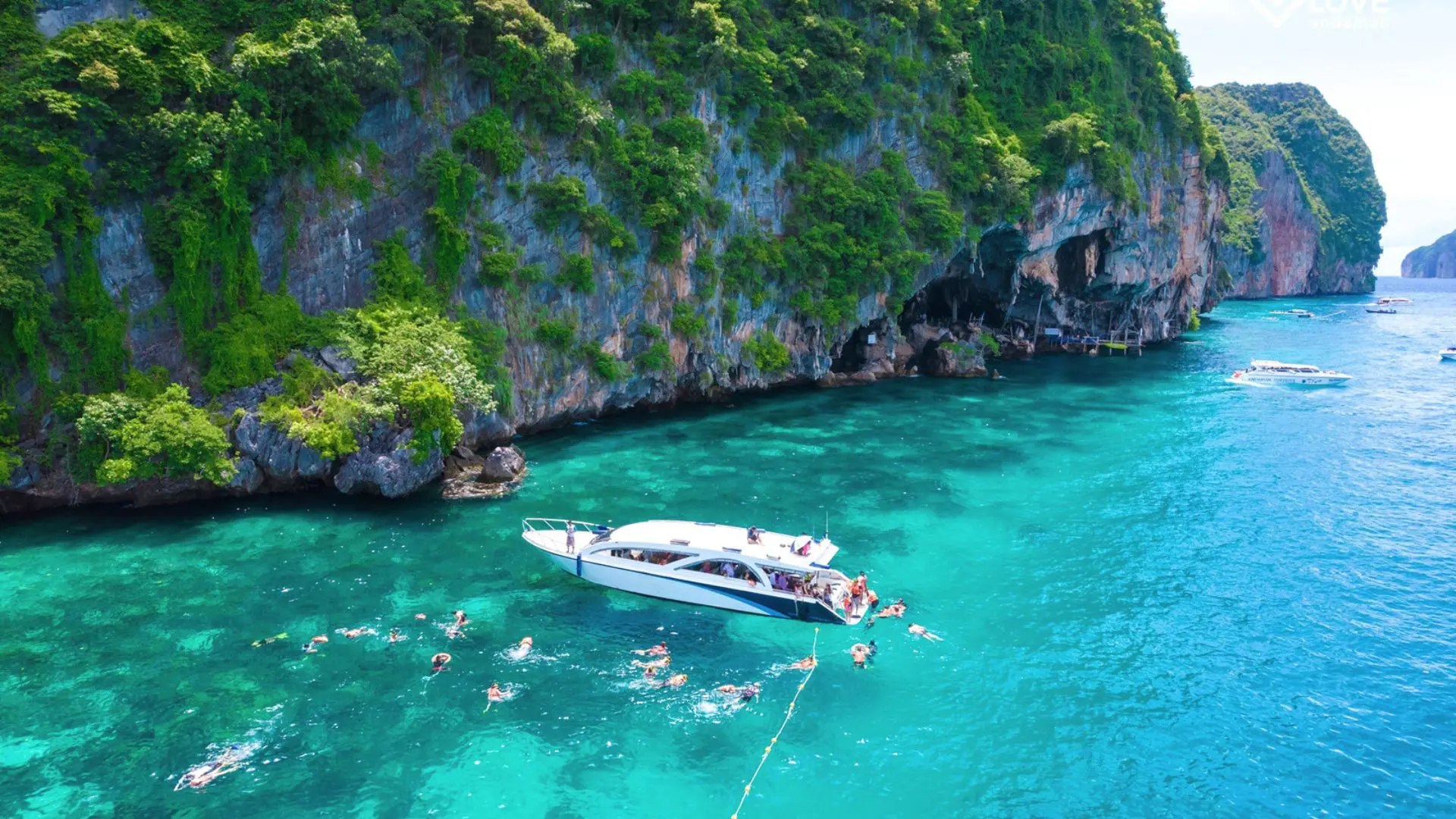
Koh Phi Phi, known as the kingdom of underwater flowers, is one of the most famous places to visit in Thailand, with many beautiful coastlines and white-sand beaches. On Koh Phi Phi, there are several must-see spots.
MORE INFORMATION
07:45 – 08:30 > Hotel / bungalow / resort pickup: AO NANG AREA ONLY
All times are approximate: they depend on the location of your accommodation, the tides and the weather. The exact pickup time will be confirmed after booking.
MAYA BAY
PHI PHI LEH
MAYA BEACH
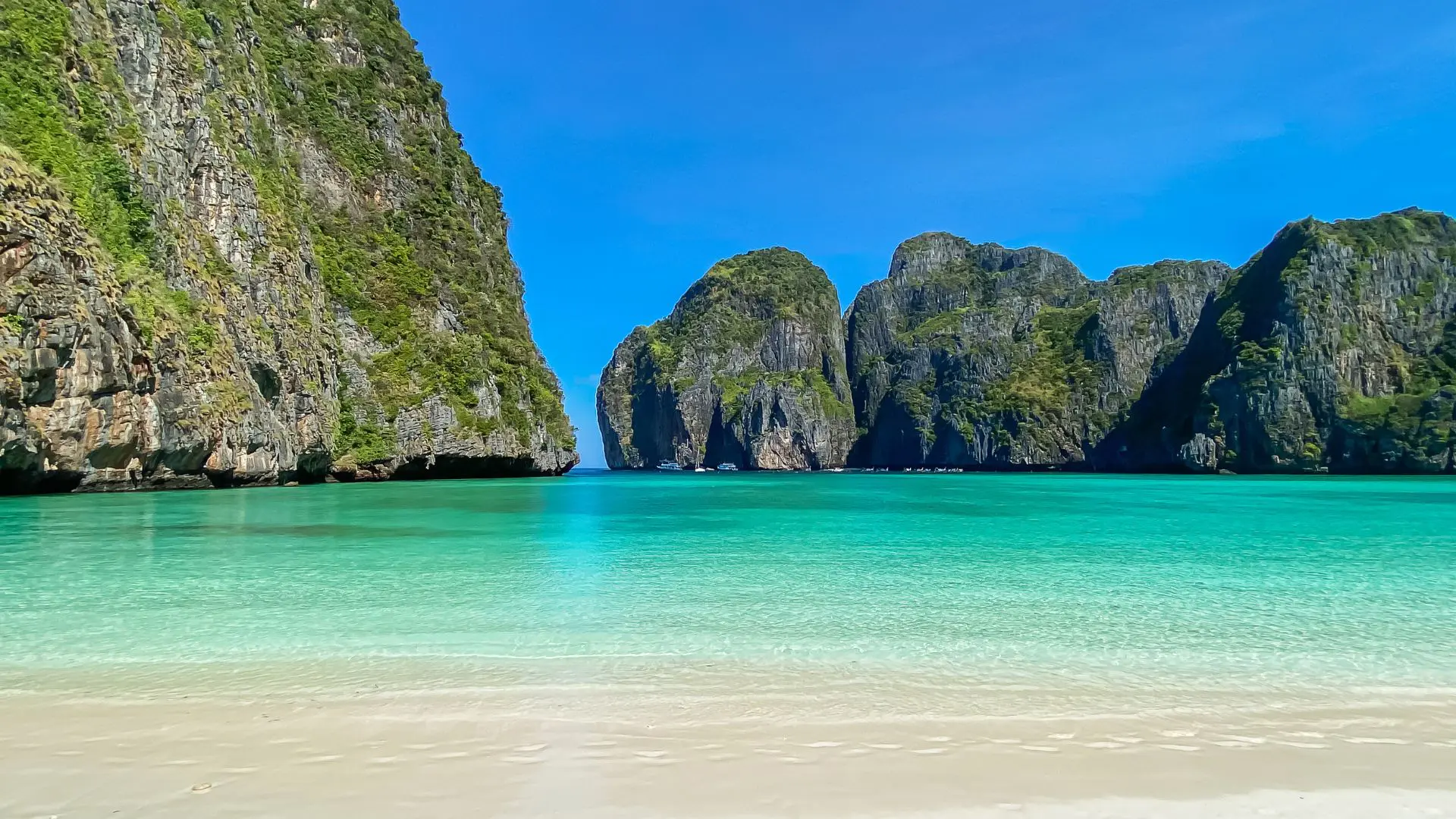
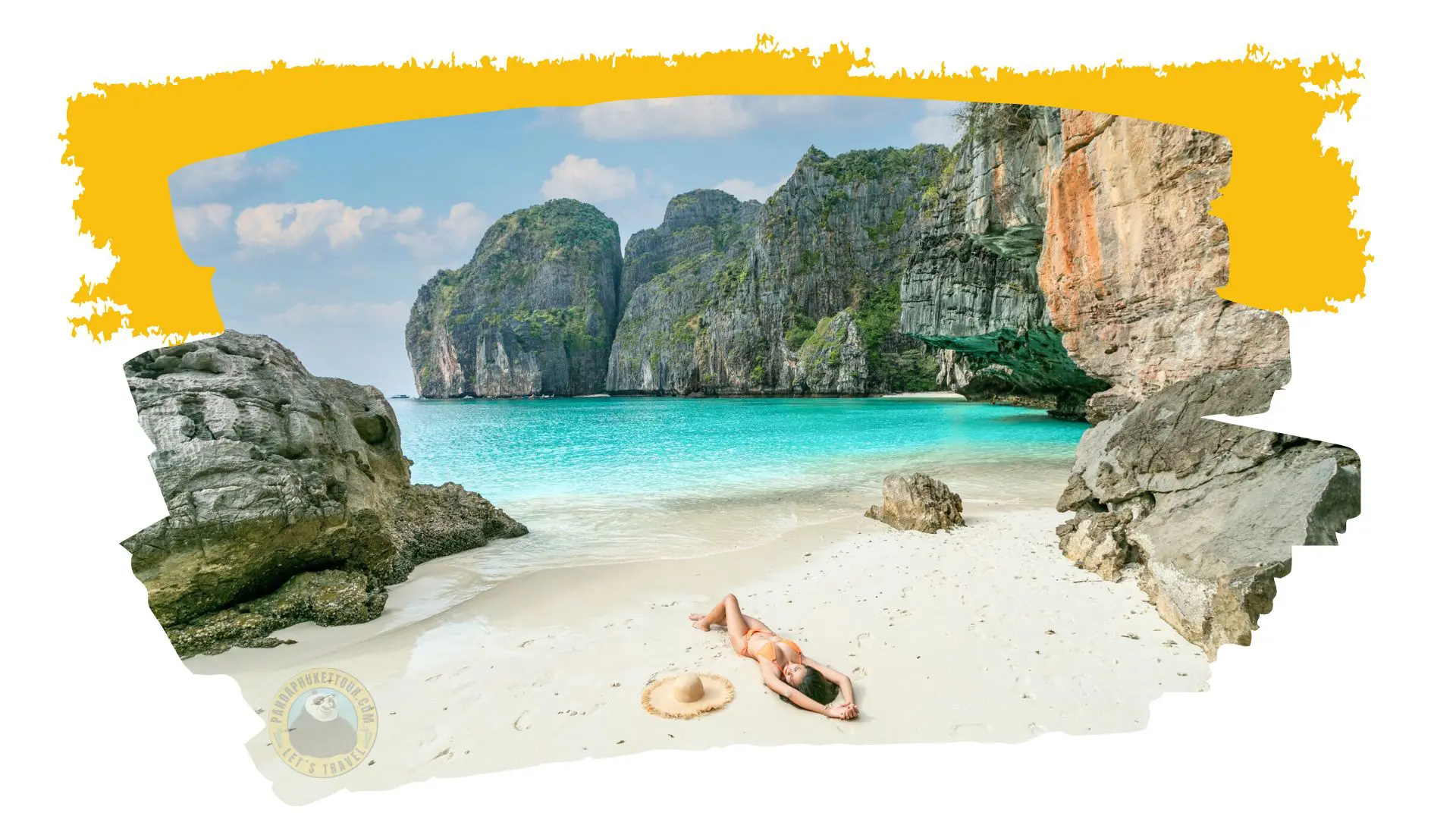
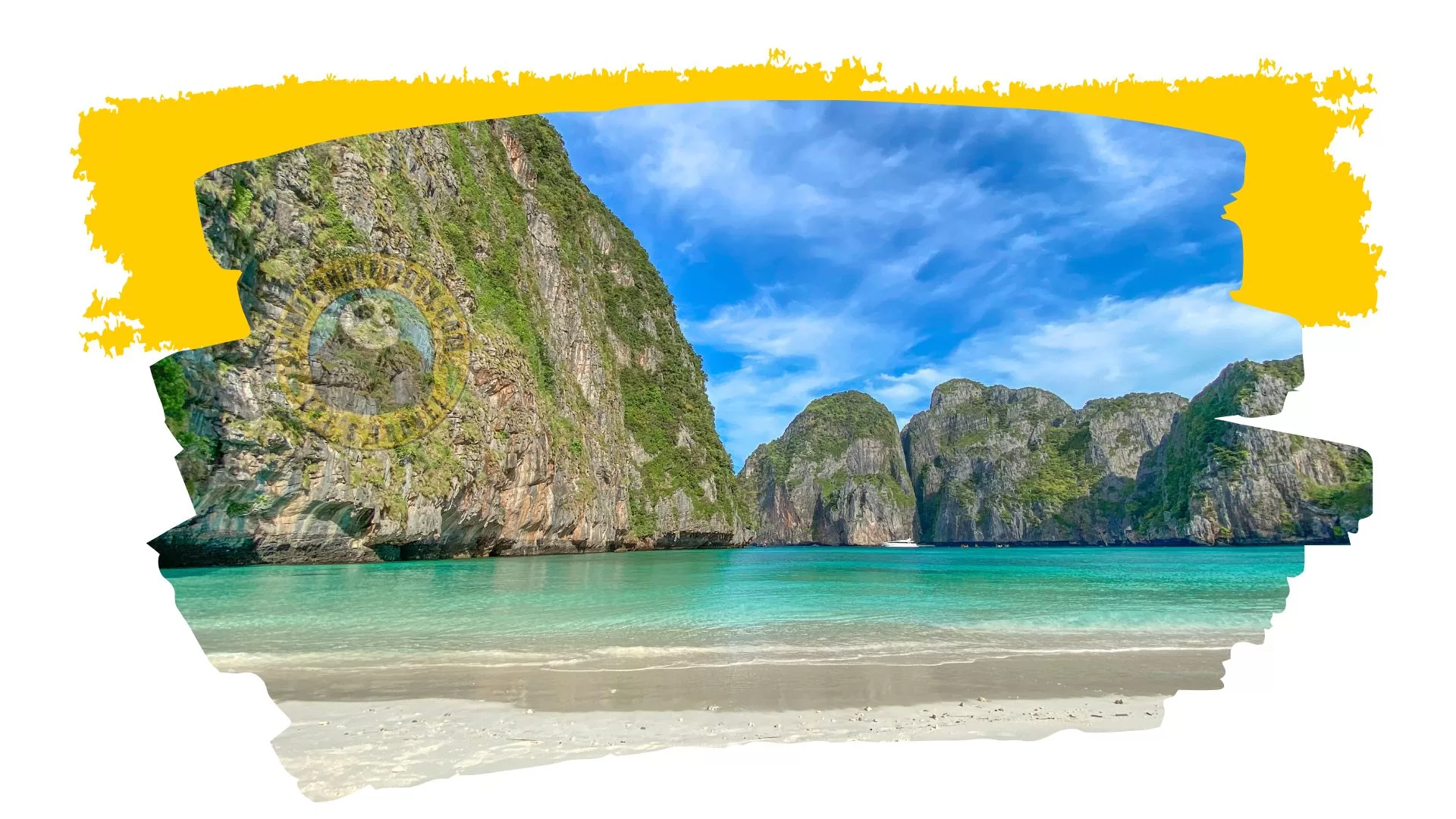
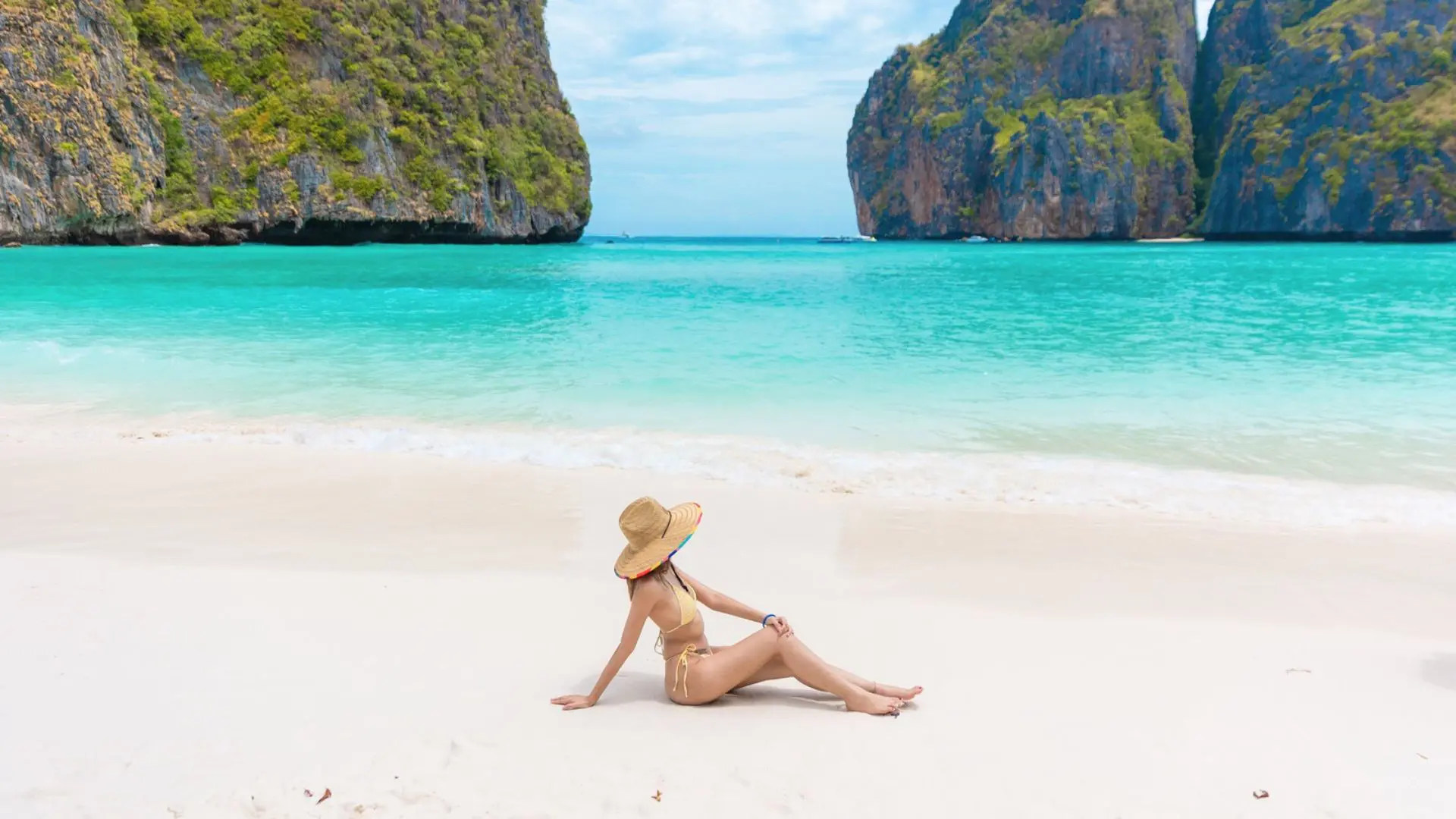
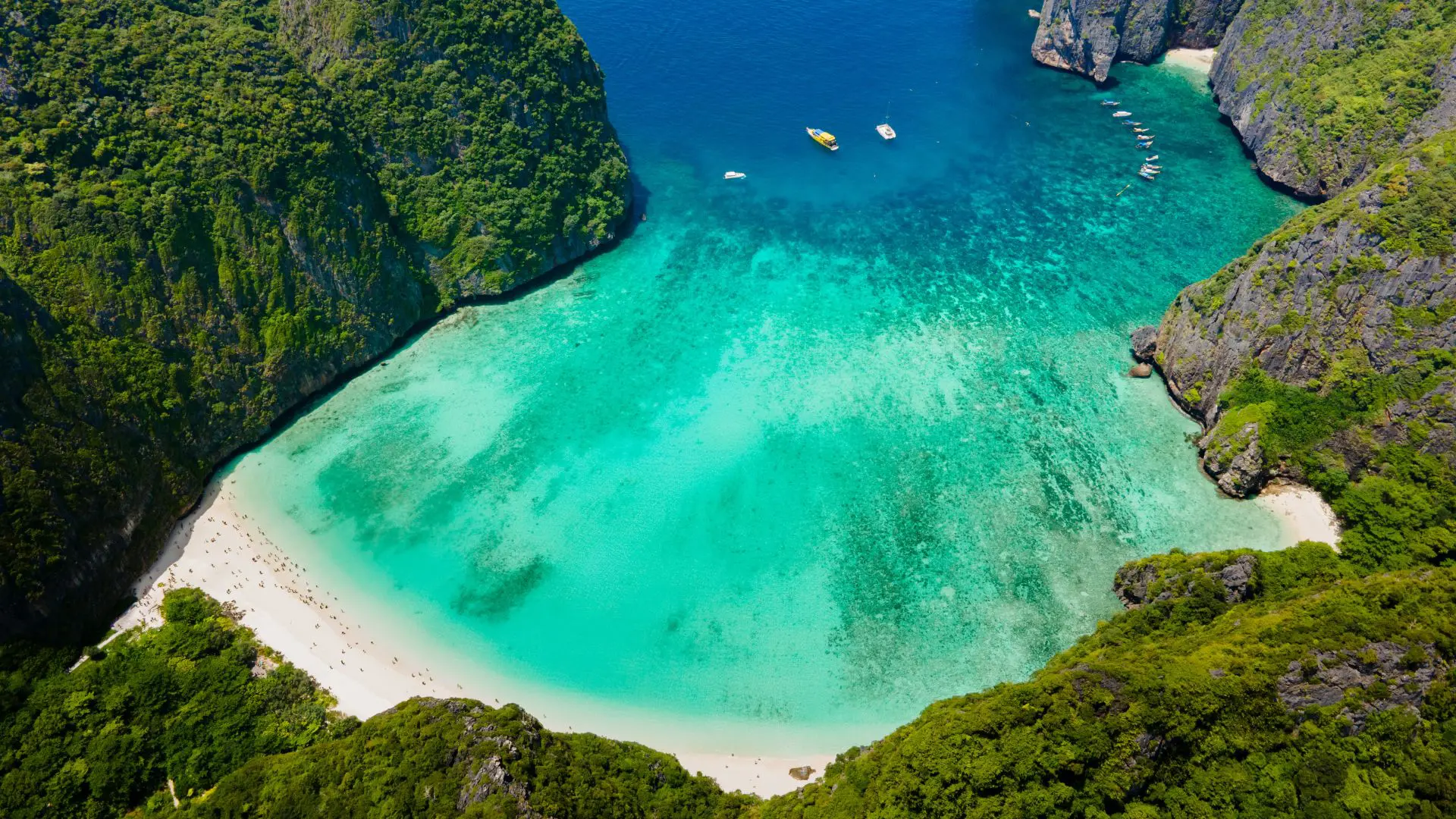
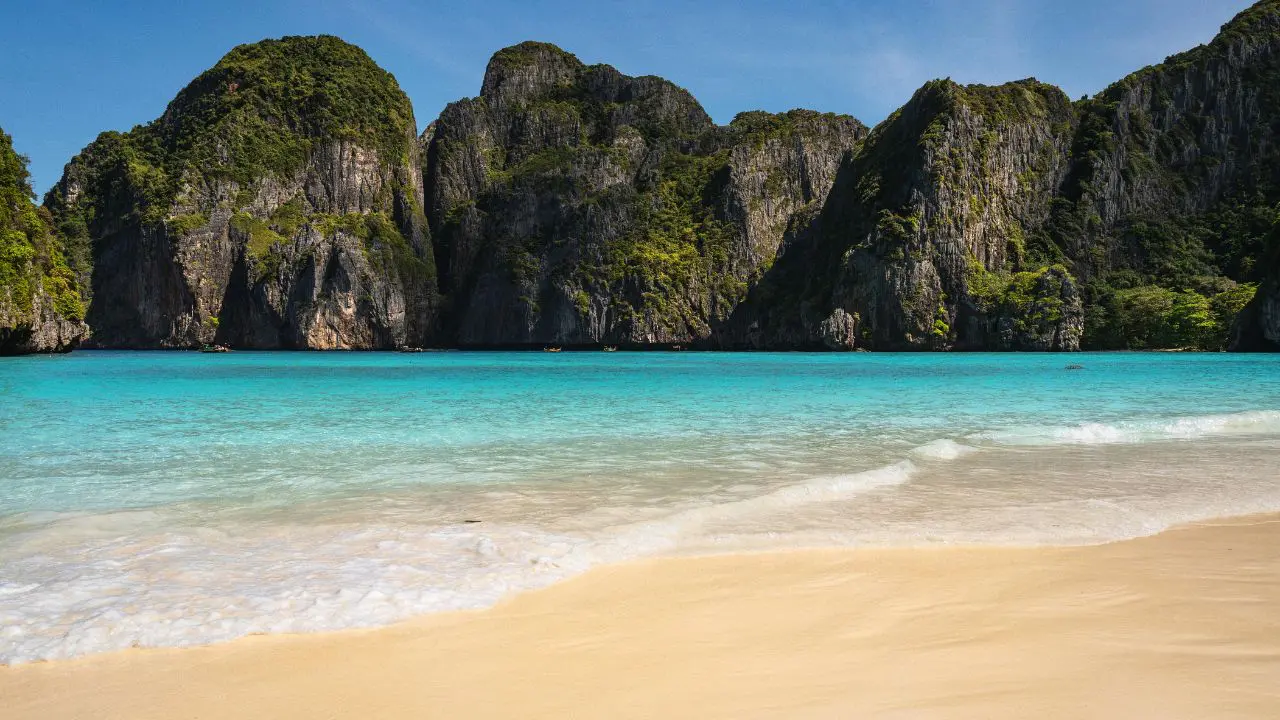
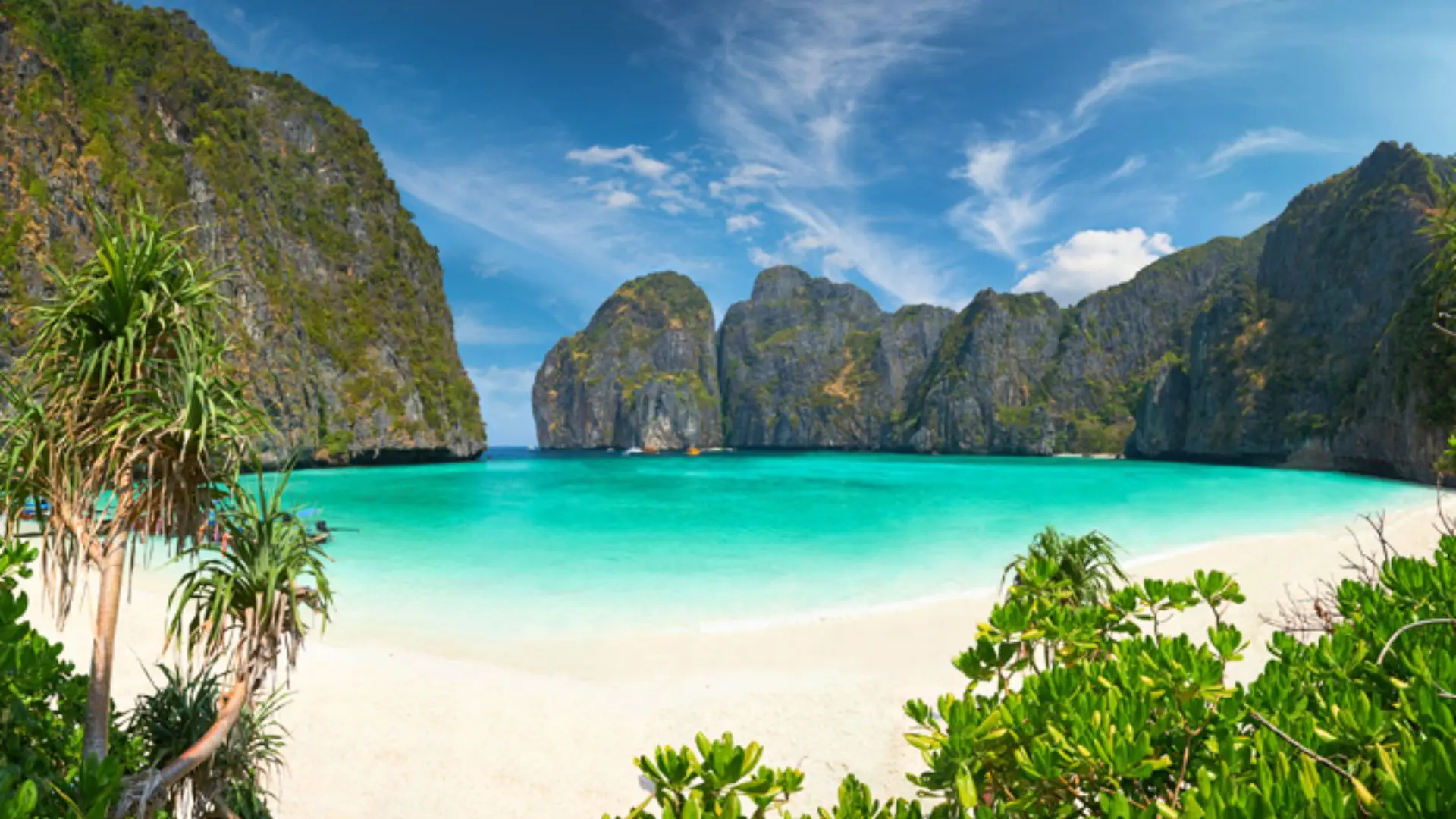
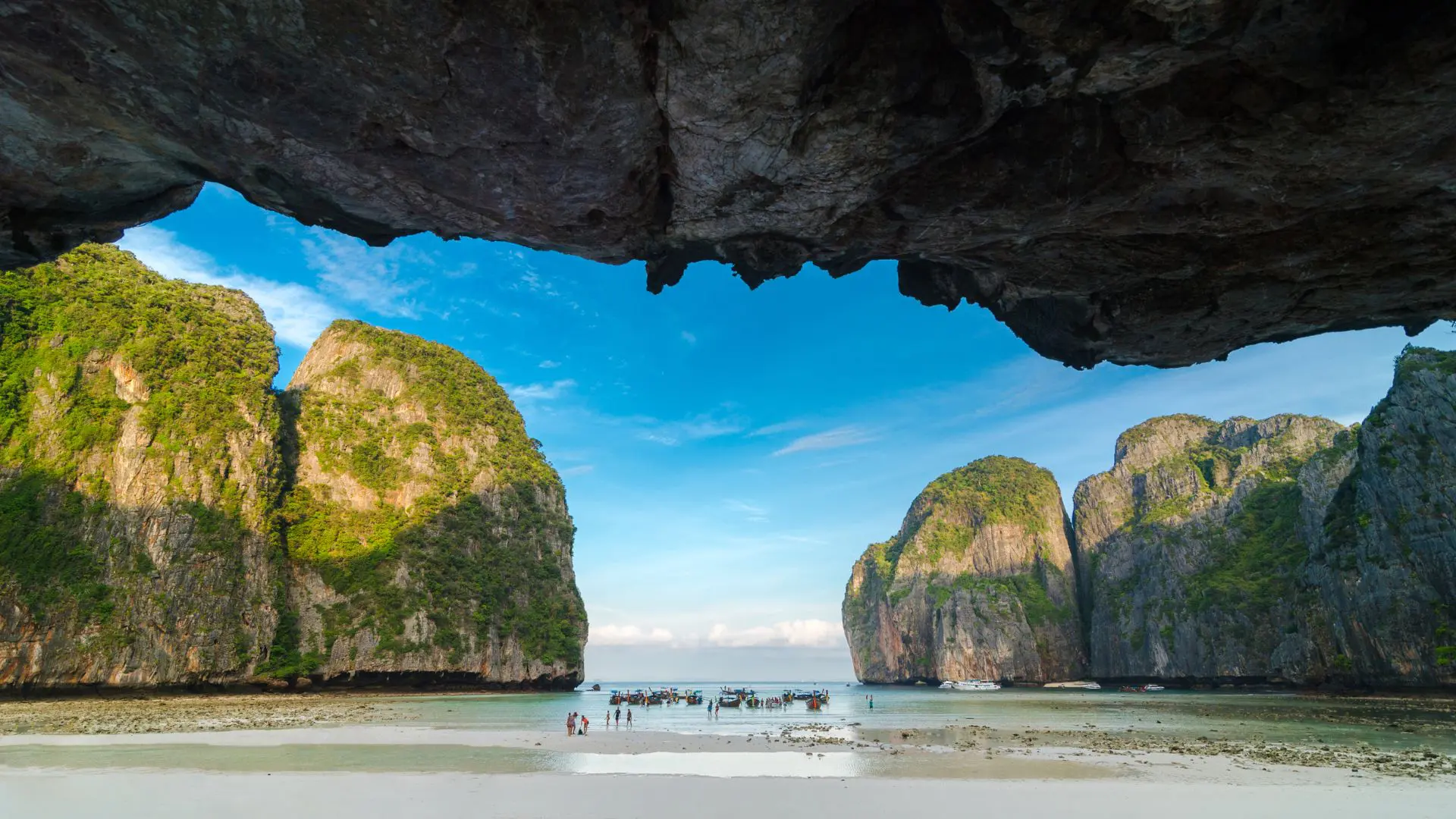
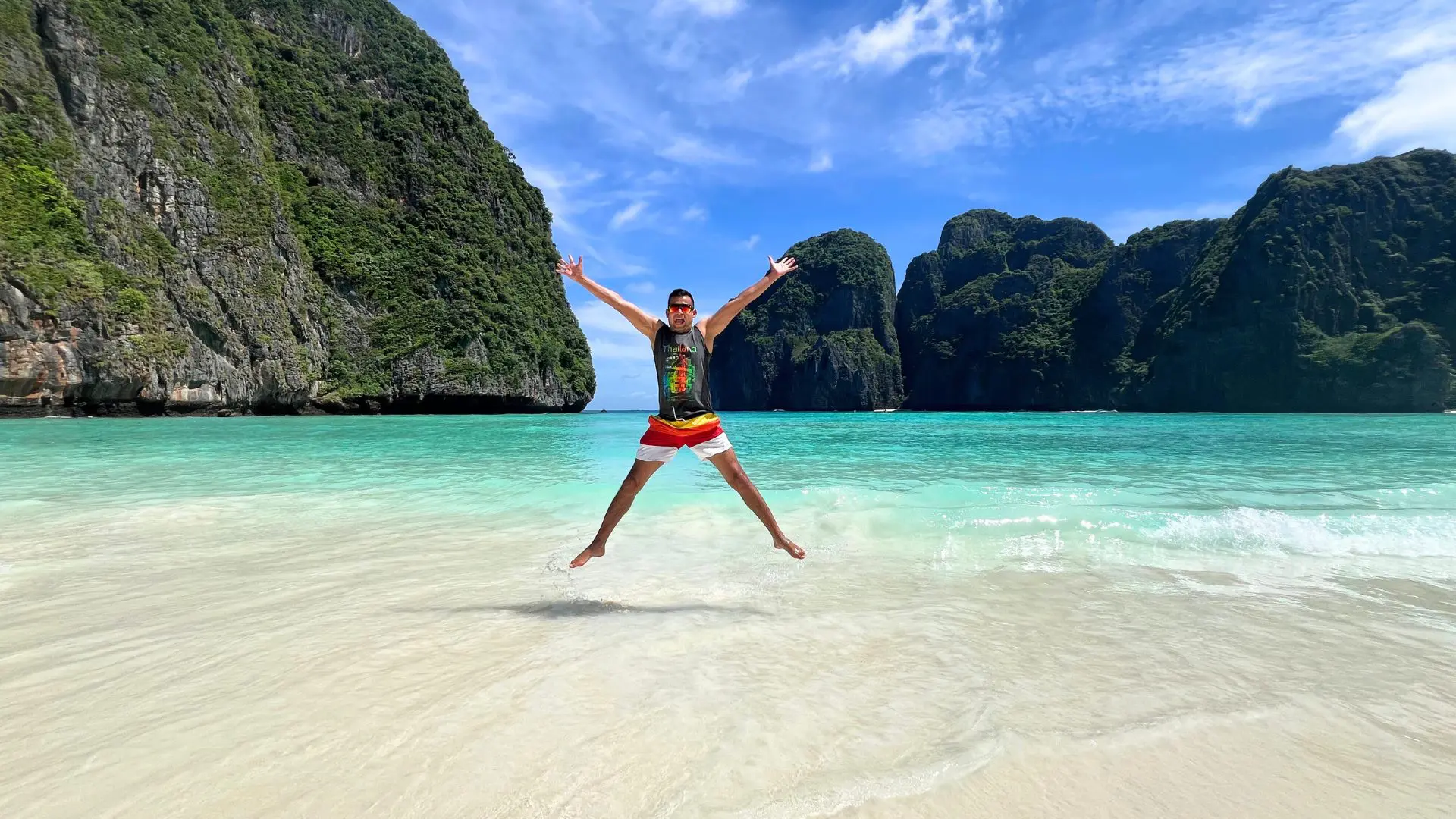
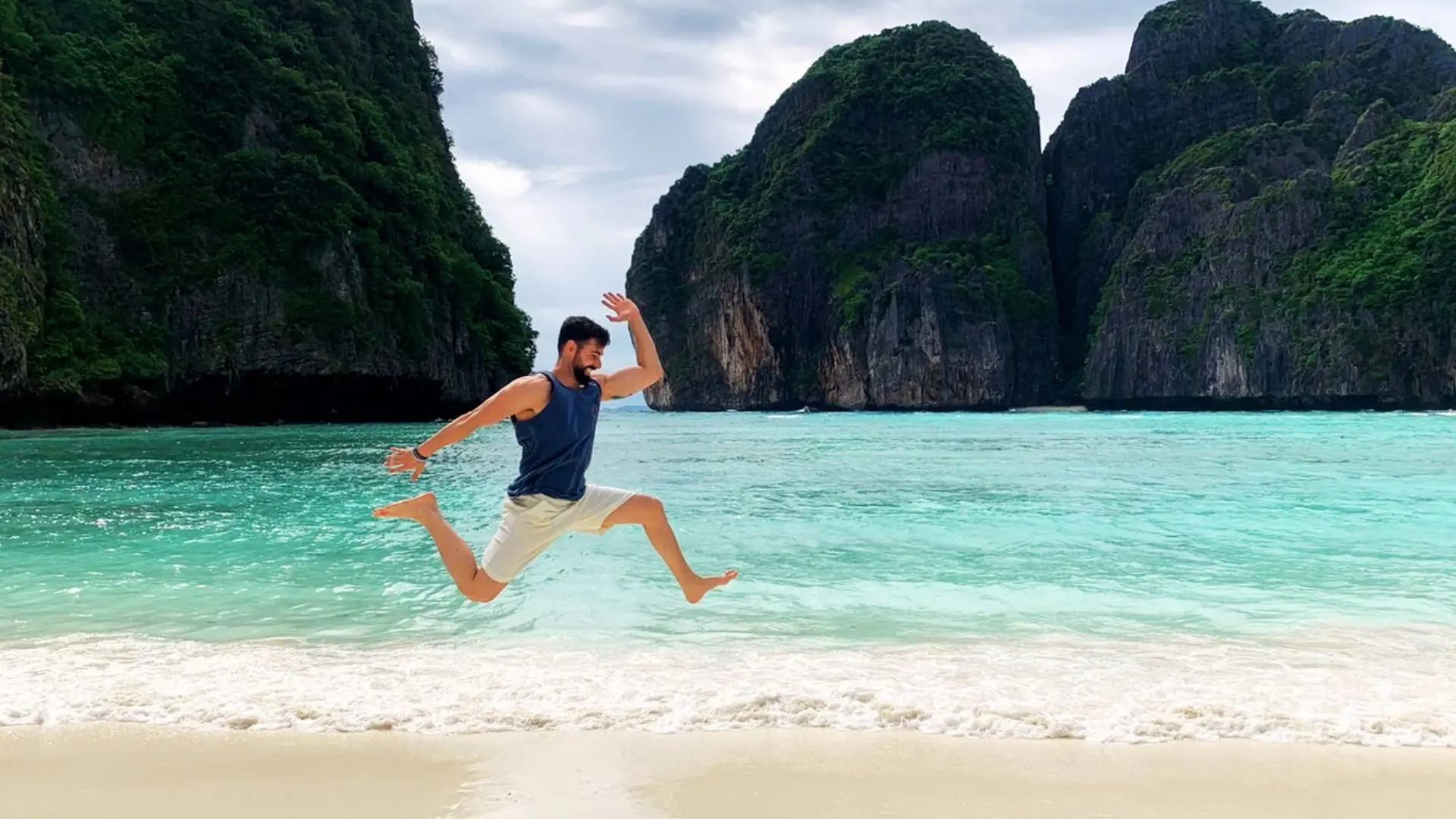
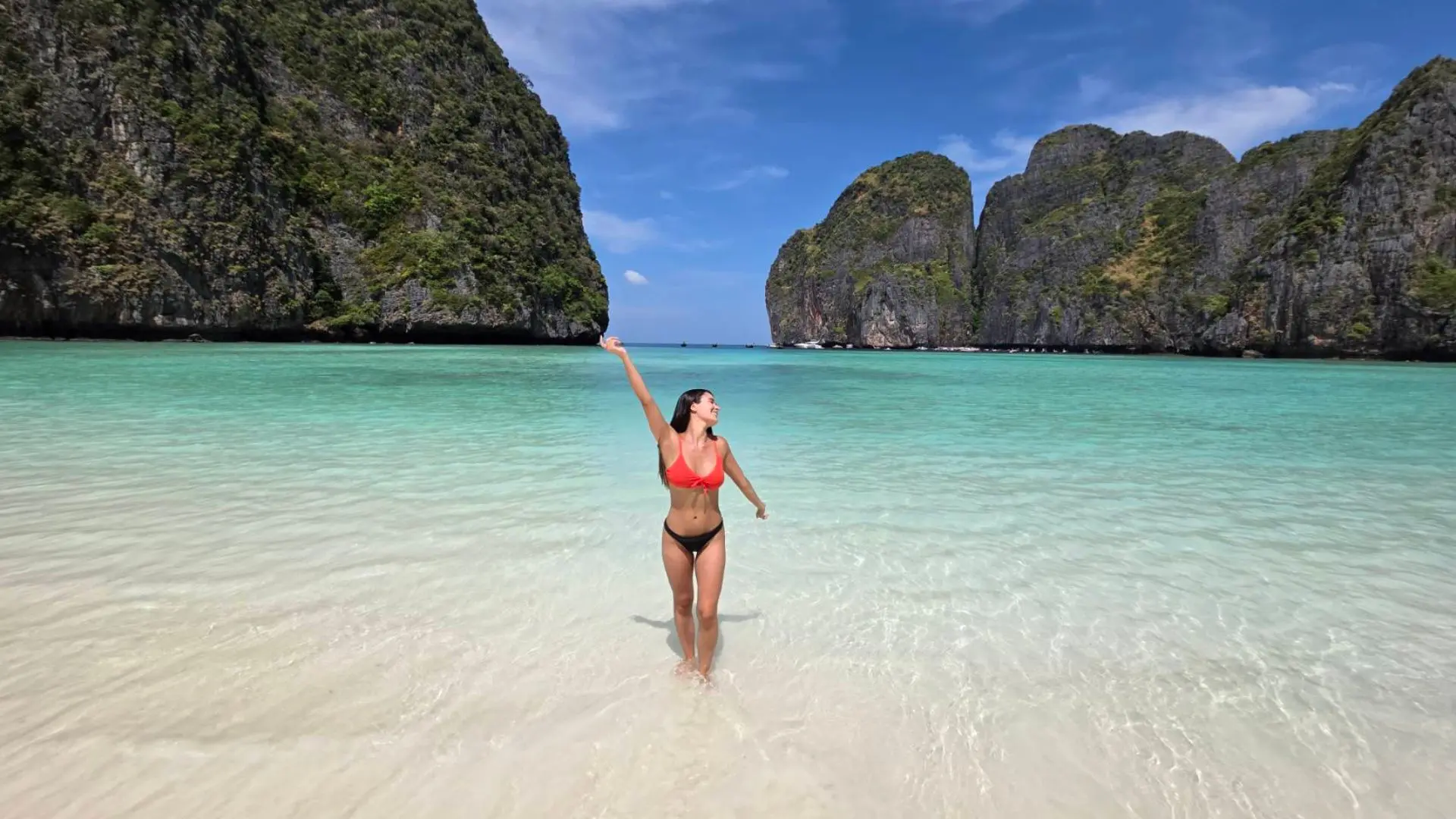
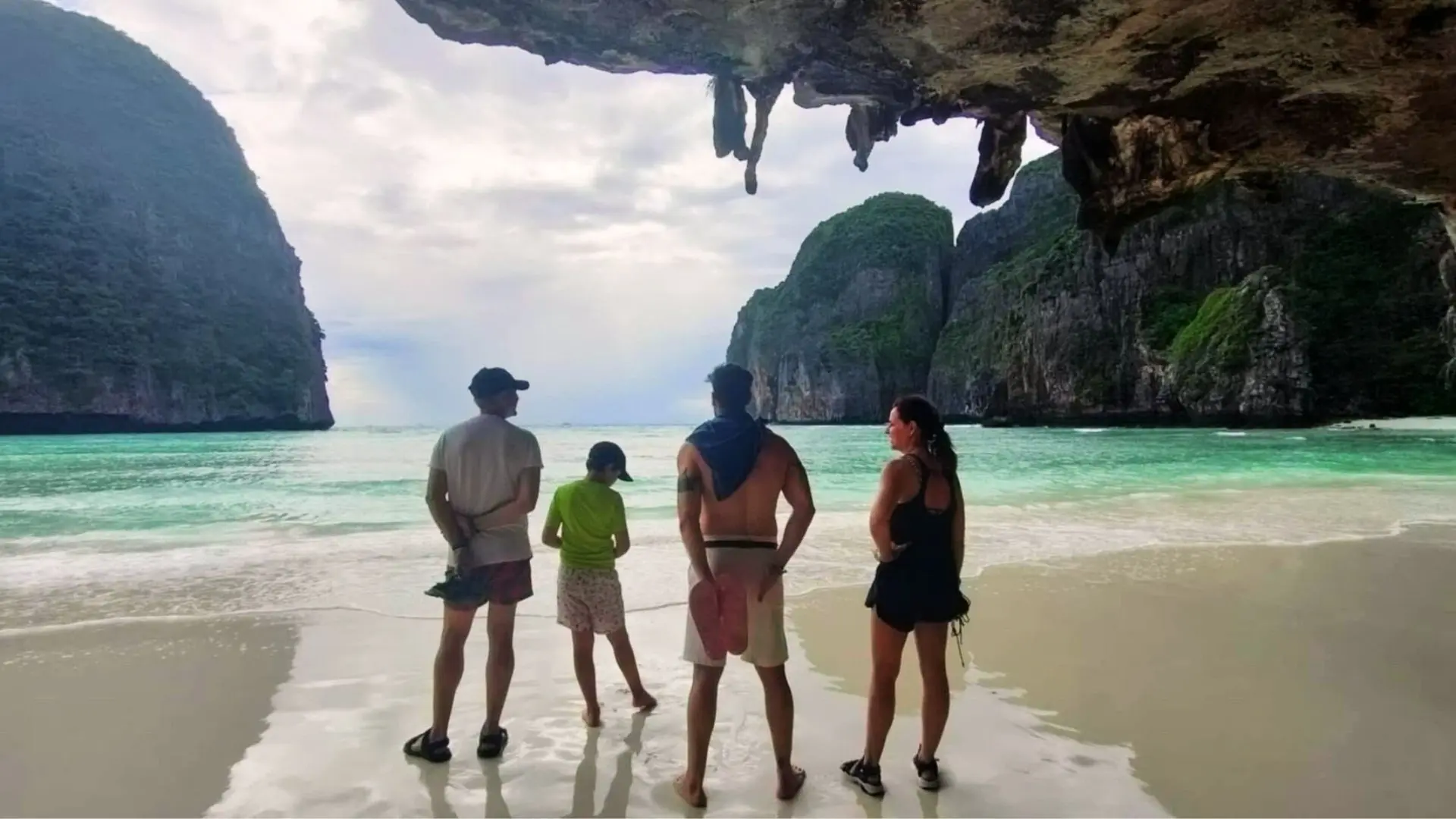
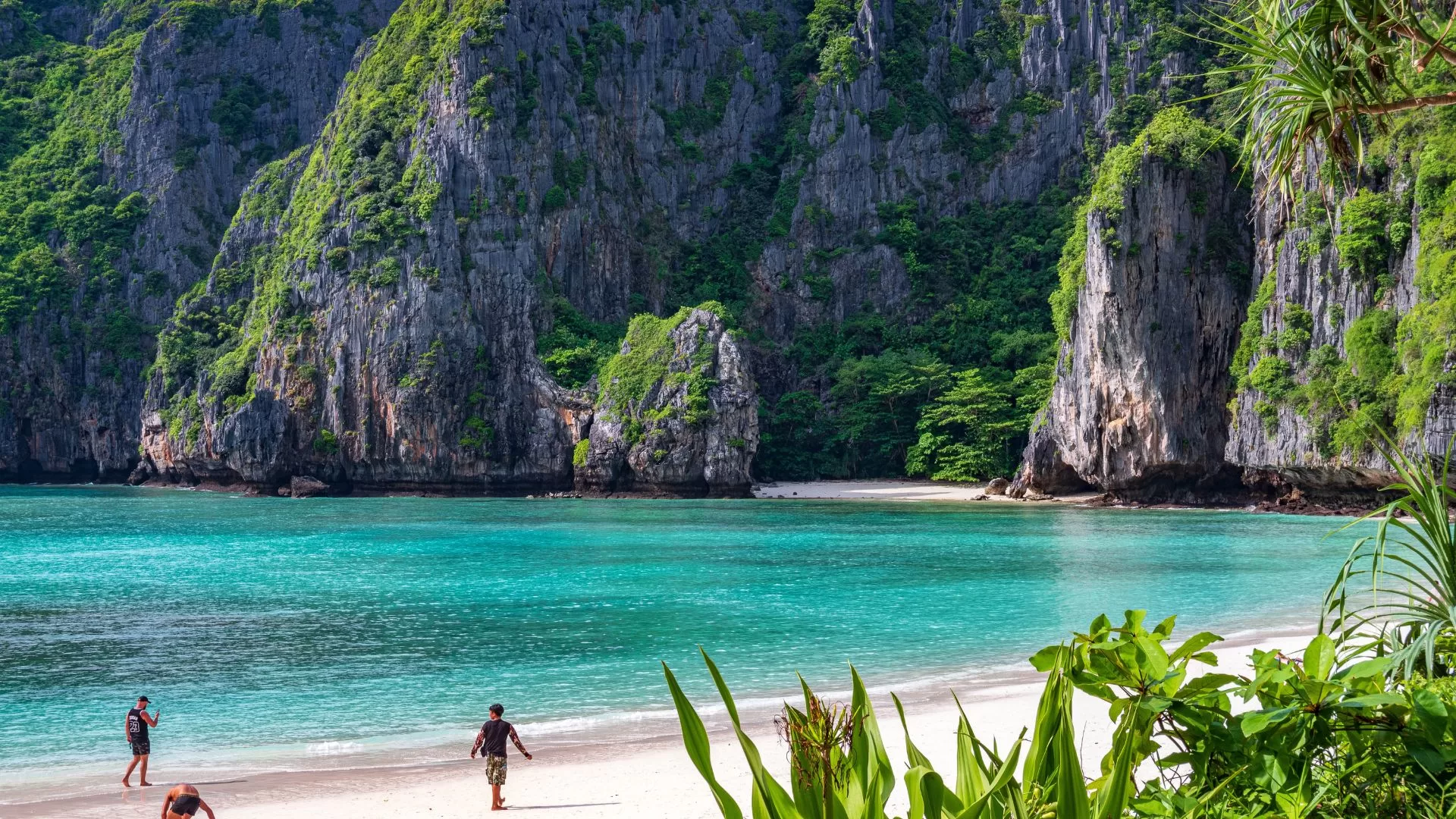
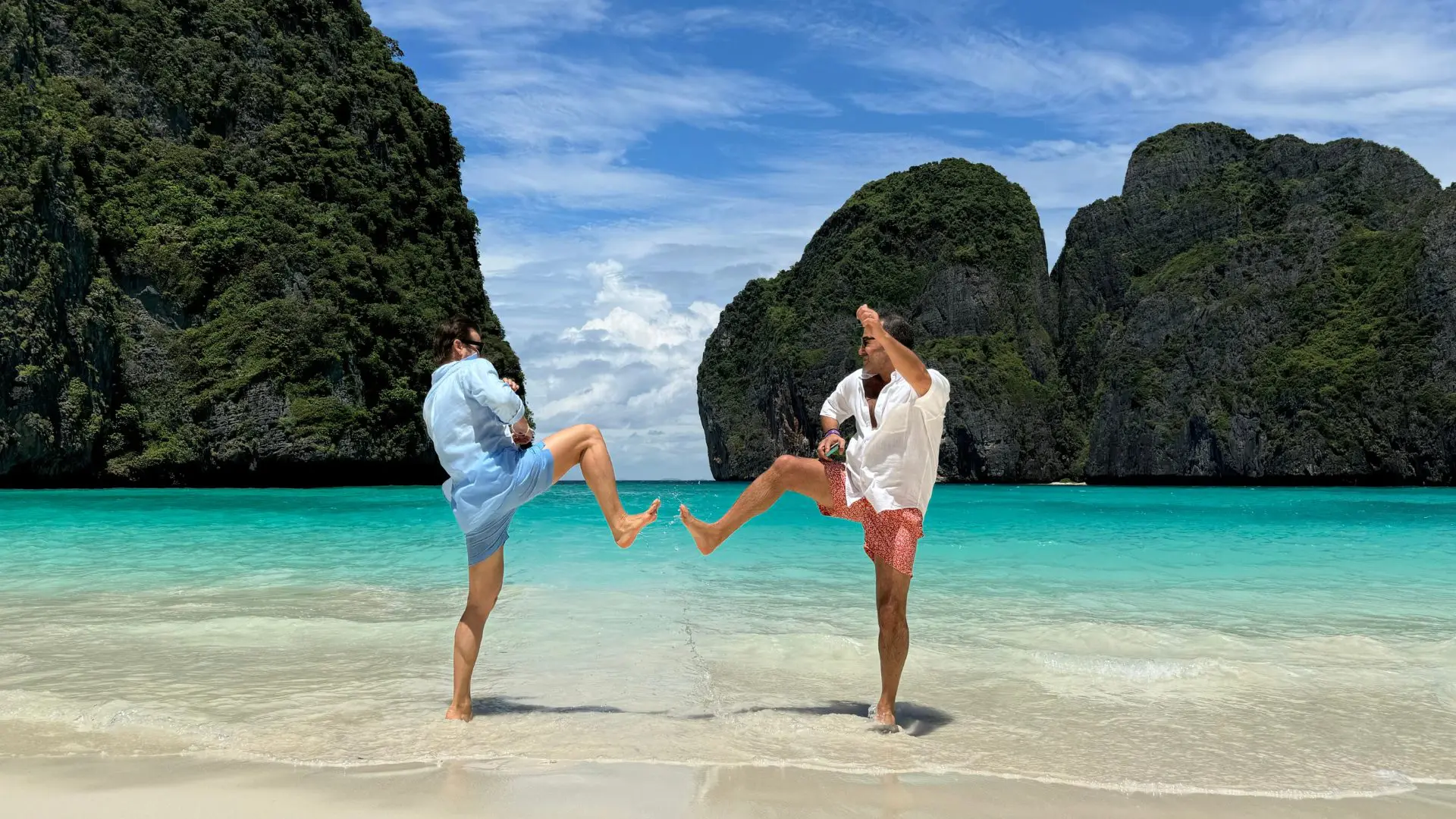
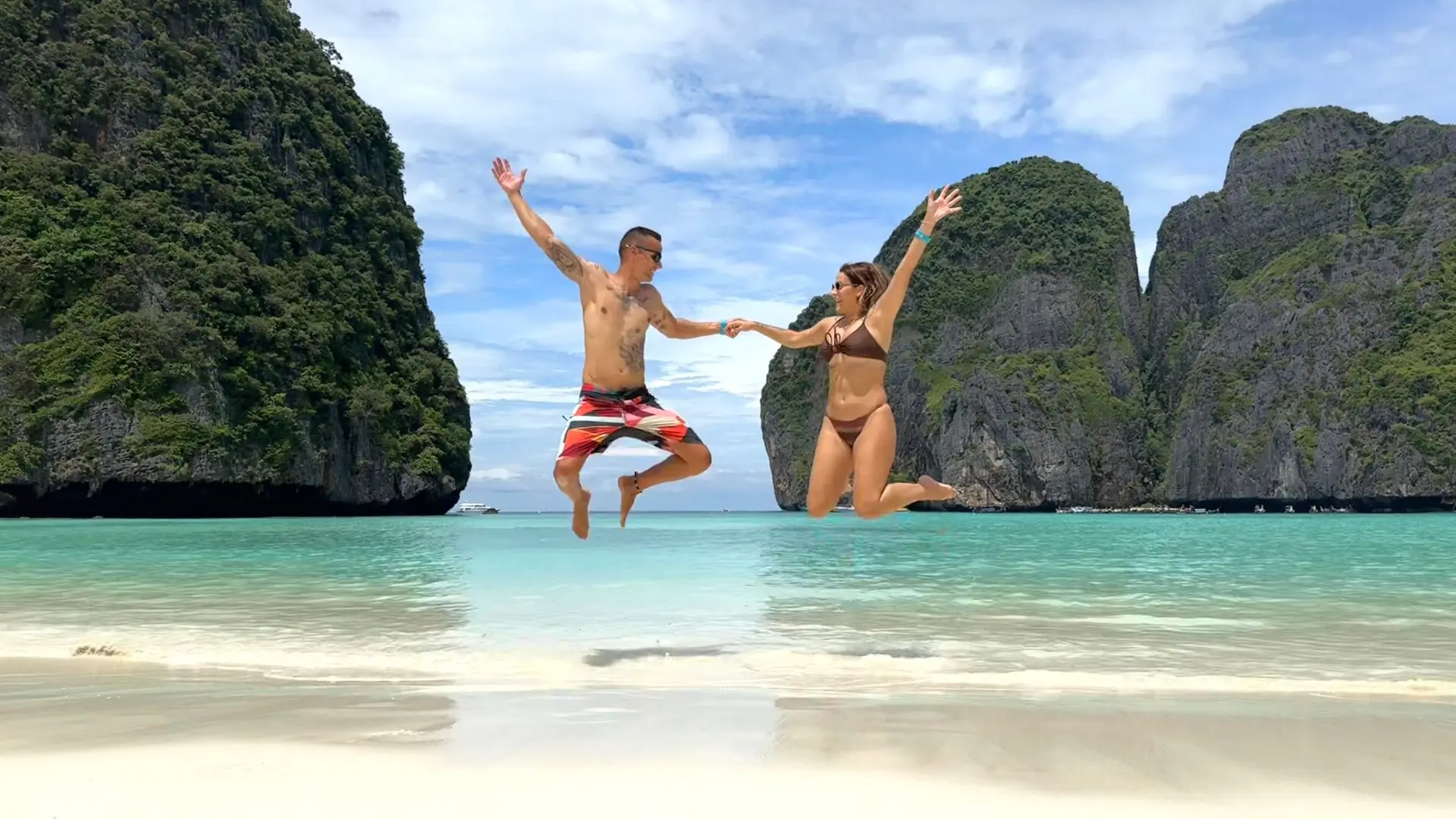
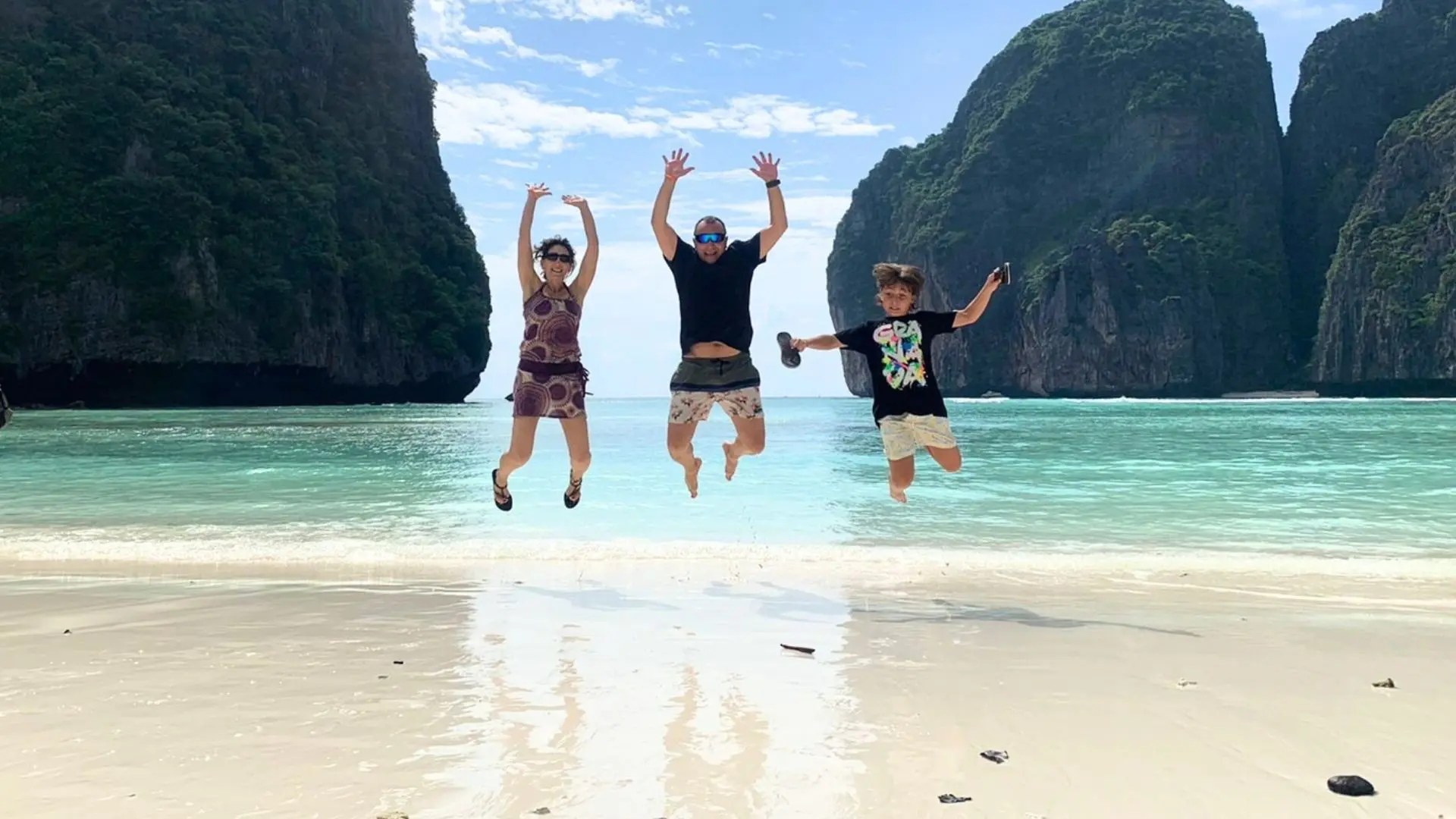
Maya Bay: The mysterious crescent-shaped white-sand beach hidden within a huge limestone mountain, full of baby sharks. Its beauty ranks among the finest in the world, which is why it was chosen as the setting for the movie “The Beach.” (In August and September access will be closed and the bay will be viewed from outside).
MORE INFORMATION
THE BEACH
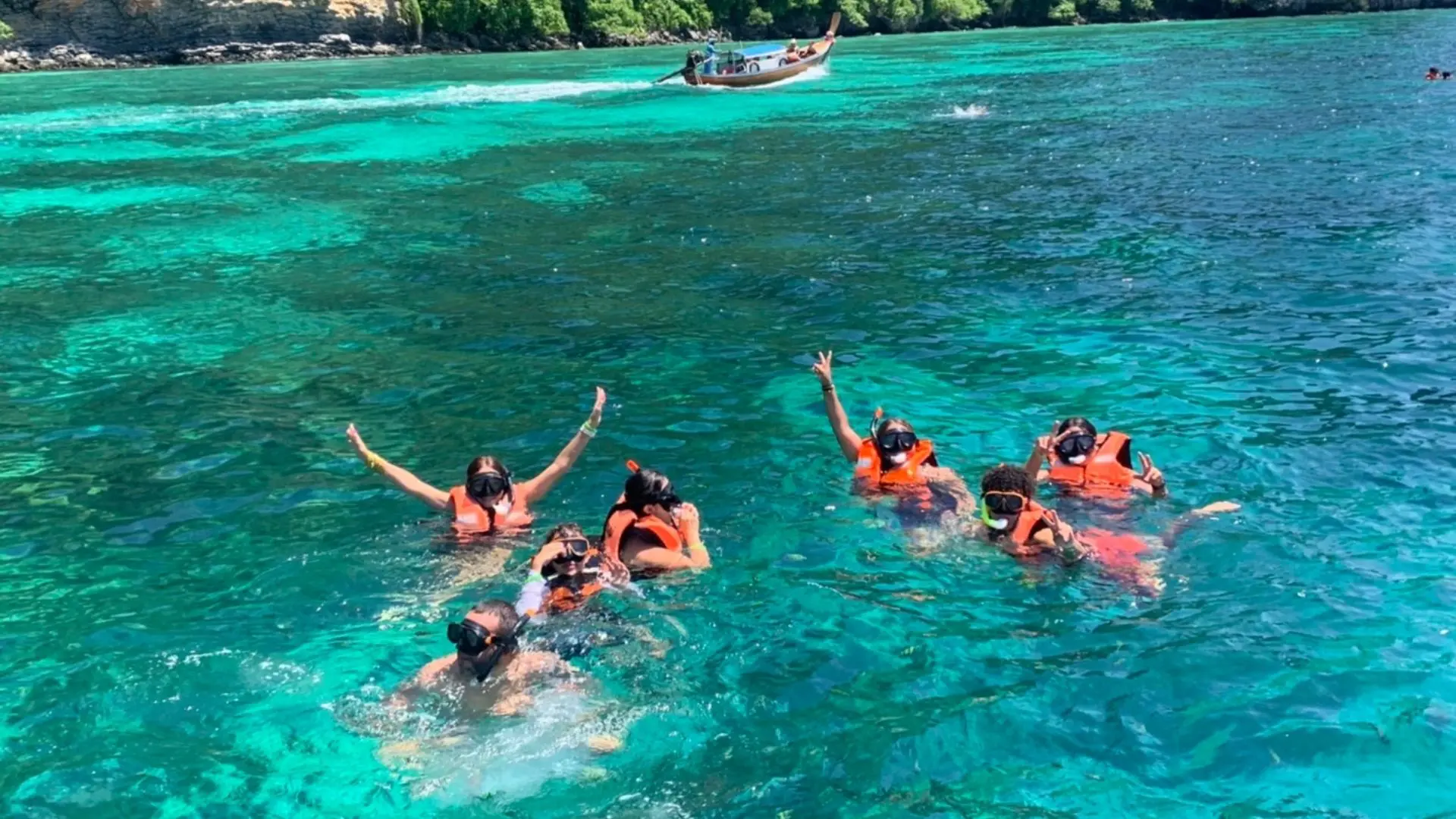
09:00 > Departure from the pier to Phi Phi Leh: Enjoy a breathtaking tour and scenery, with sheer stone cliffs and curved bays created by nature. Travel with our service-oriented team in a speedboat fully equipped with life jackets.
Maya Bay
-
Location: Maya Bay is located on the west coast of Koh Phi Phi Leh, which belongs to Krabi province, in the Andaman Sea, about 30 kilometers from the mainland.
-
Annual conservation closure: As a measure of environmental protection and ecological recovery, Maya Bay is closed to the public every year from August 1 to September 30.
-
History: The island of Phi Phi Leh has a long history of human settlement. Archaeological evidence suggests it has been inhabited since prehistoric times, as ancient tools and artifacts have been discovered in the area. It was traditionally inhabited by sea nomads known as “chao ley” or sea gypsies, who lived off fishing and the harvesting of swiftlet nests, coexisting in harmony with natural resources.
-
Geology: It lies in a region characterized by spectacular limestone karsts. These towering cliffs and rock formations are the result of millions of years of geological processes, including the uplift of ancient coral reefs, which give the bay its unique landscape.
-
Marine life: The waters around Maya Bay are home to varied marine life. The area's coral reefs support a rich ecosystem with numerous species of fish, invertebrates and marine plants.
-
Coral reefs: It has extensive reef systems of both hard and soft coral. These reefs are vital for marine life, as they provide shelter, food and breeding grounds. Their health and conservation are essential to maintaining the ecological balance of the bay.
-
The movie “The Beach”: The 2000 film showed the beauty of Maya Bay to the whole world. Its huge popularity led to a large influx of tourists seeking to experience the paradise portrayed on the big screen.
-
Visitor experience: To protect its corals, swimming and snorkeling are not allowed in Maya Bay: you can enjoy it by strolling along the beach and from the boat.
PILEH LAGOON
PILEH
SWIMMING
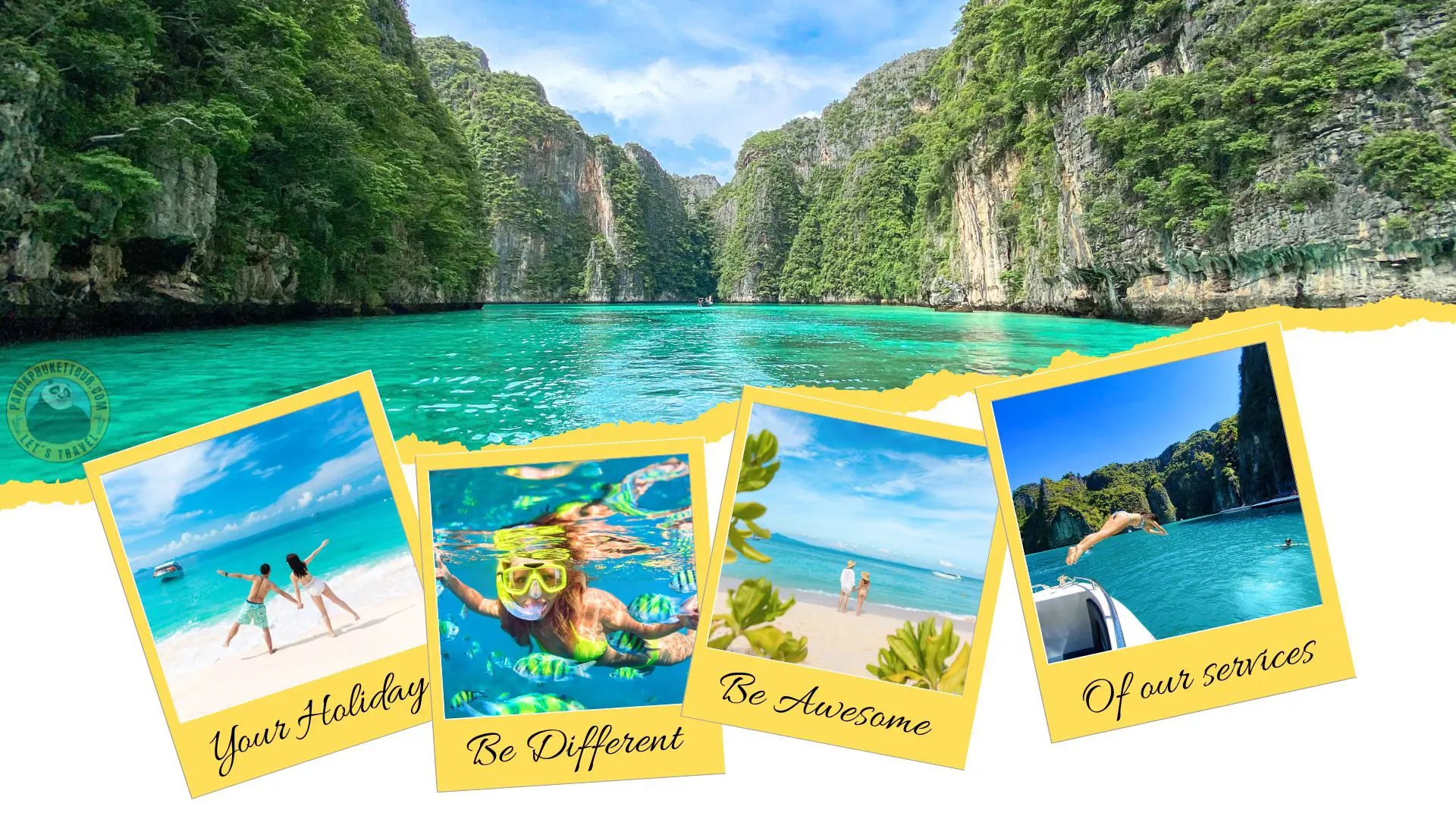
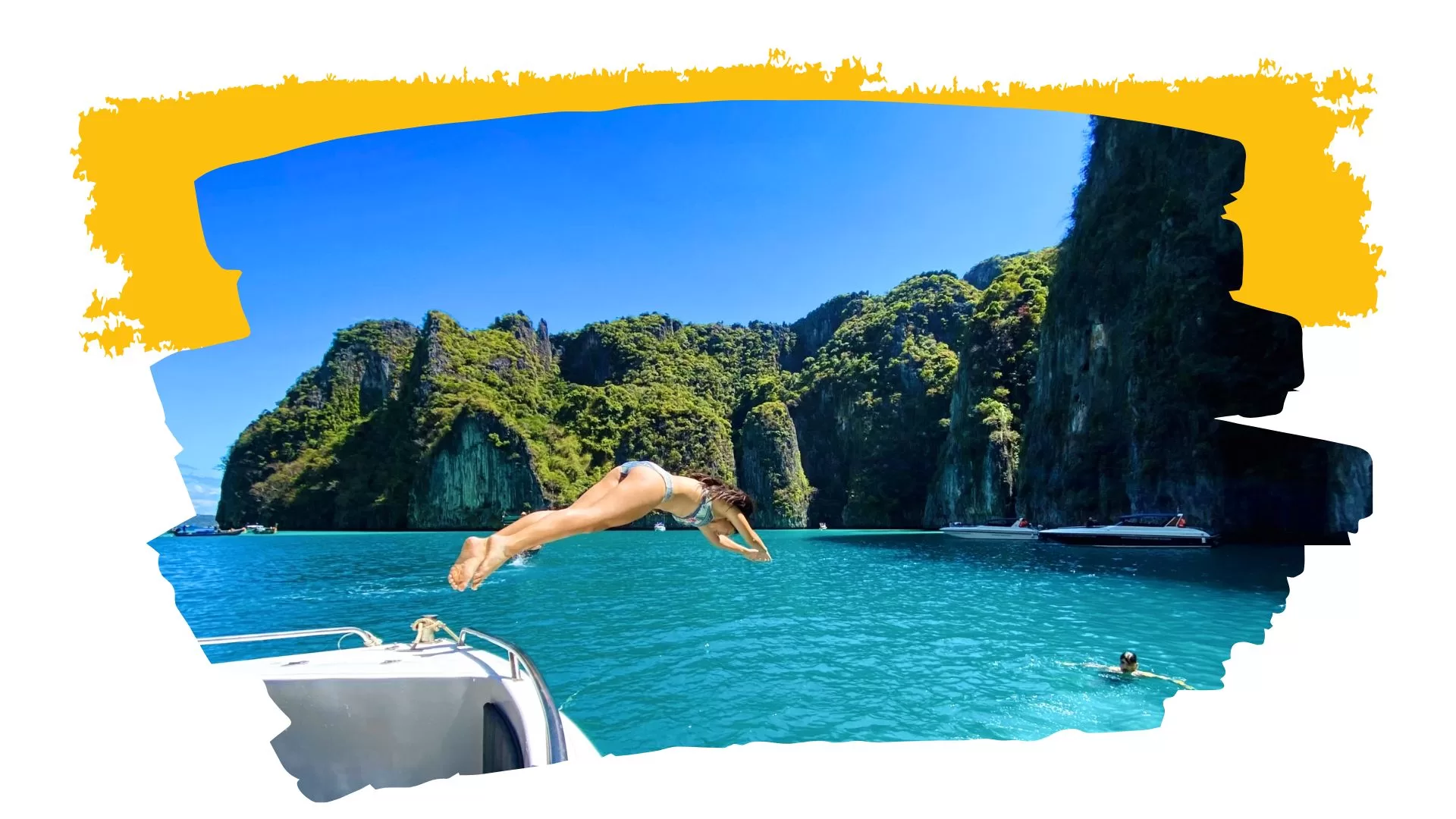
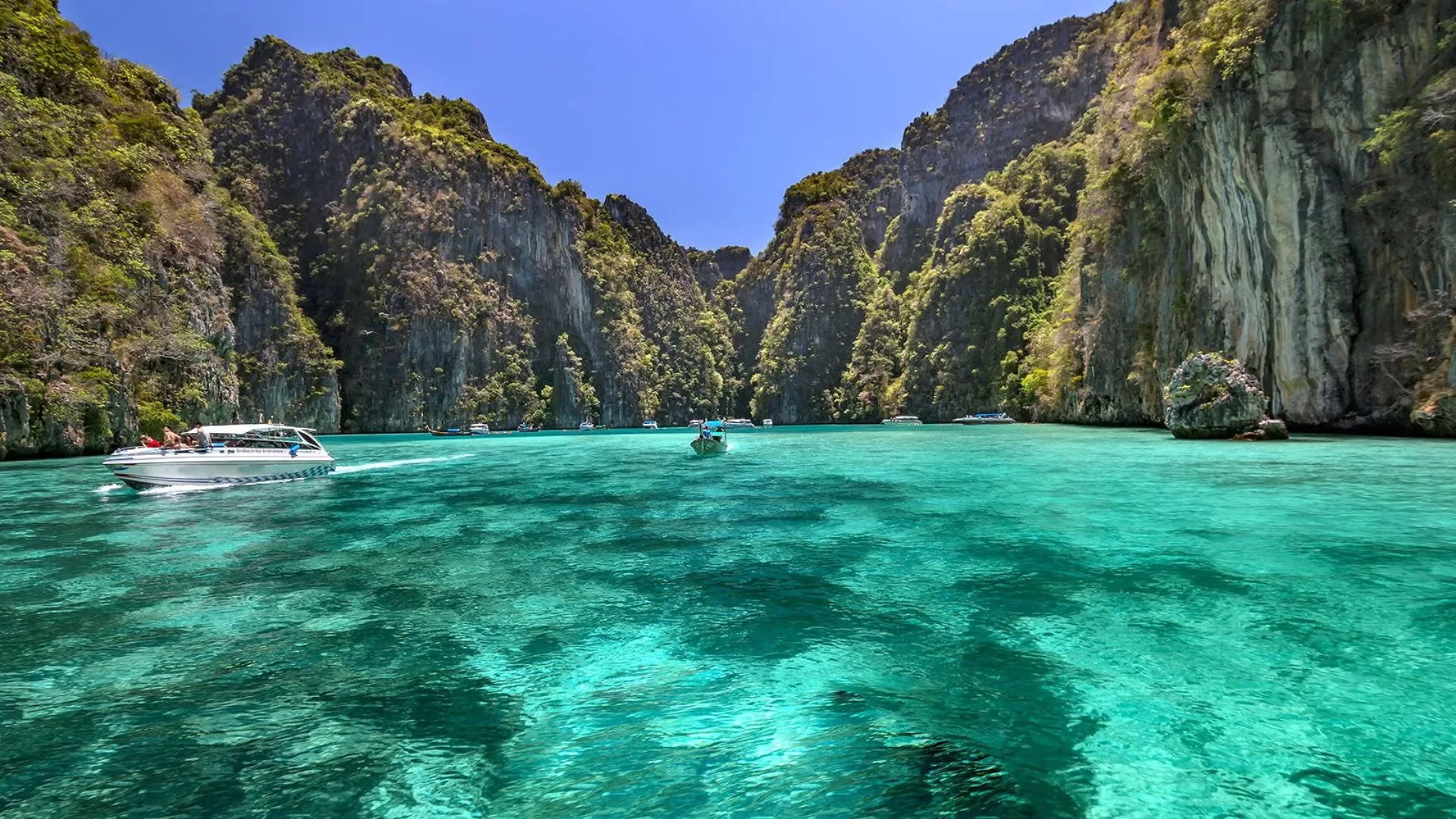
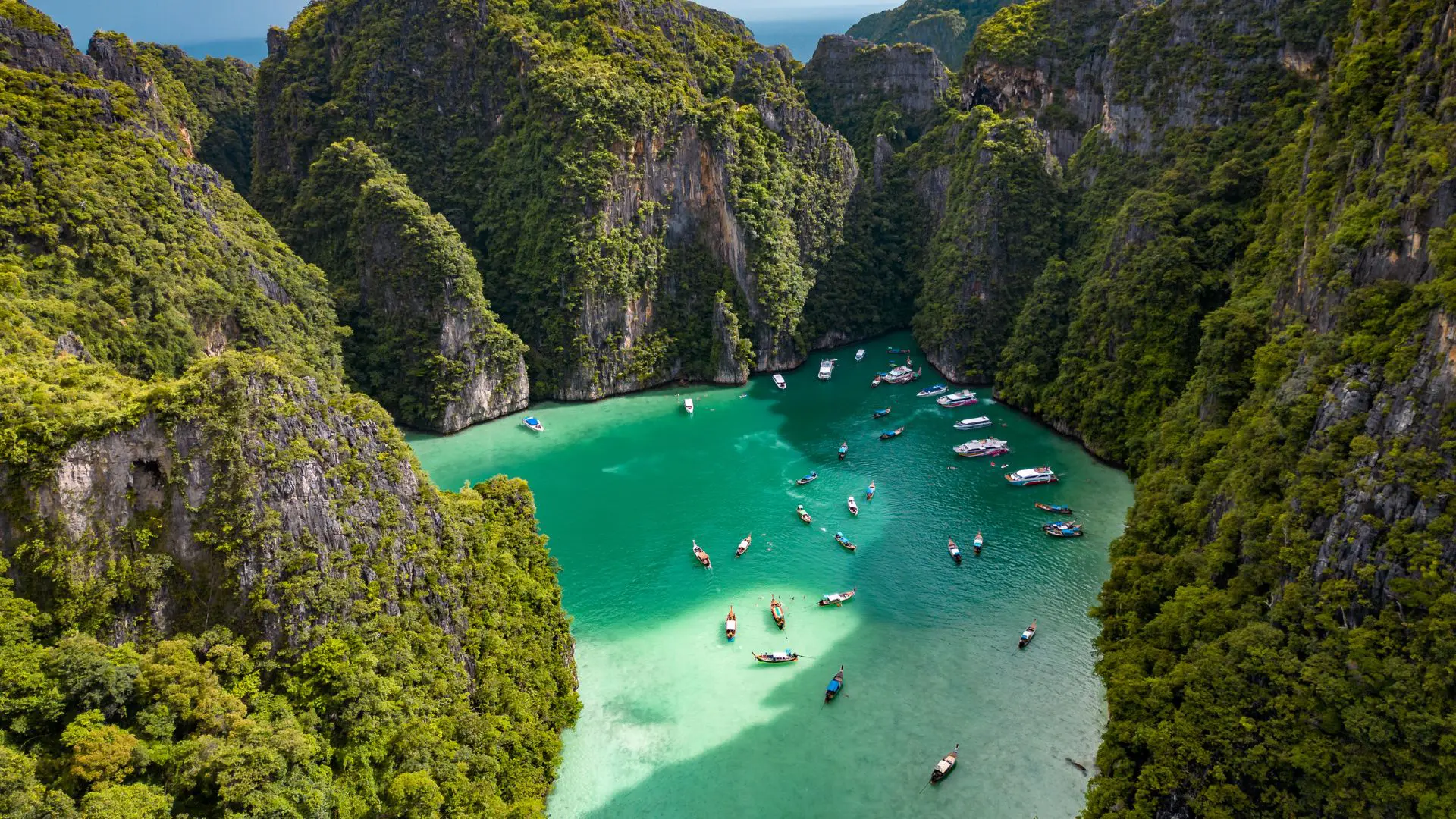
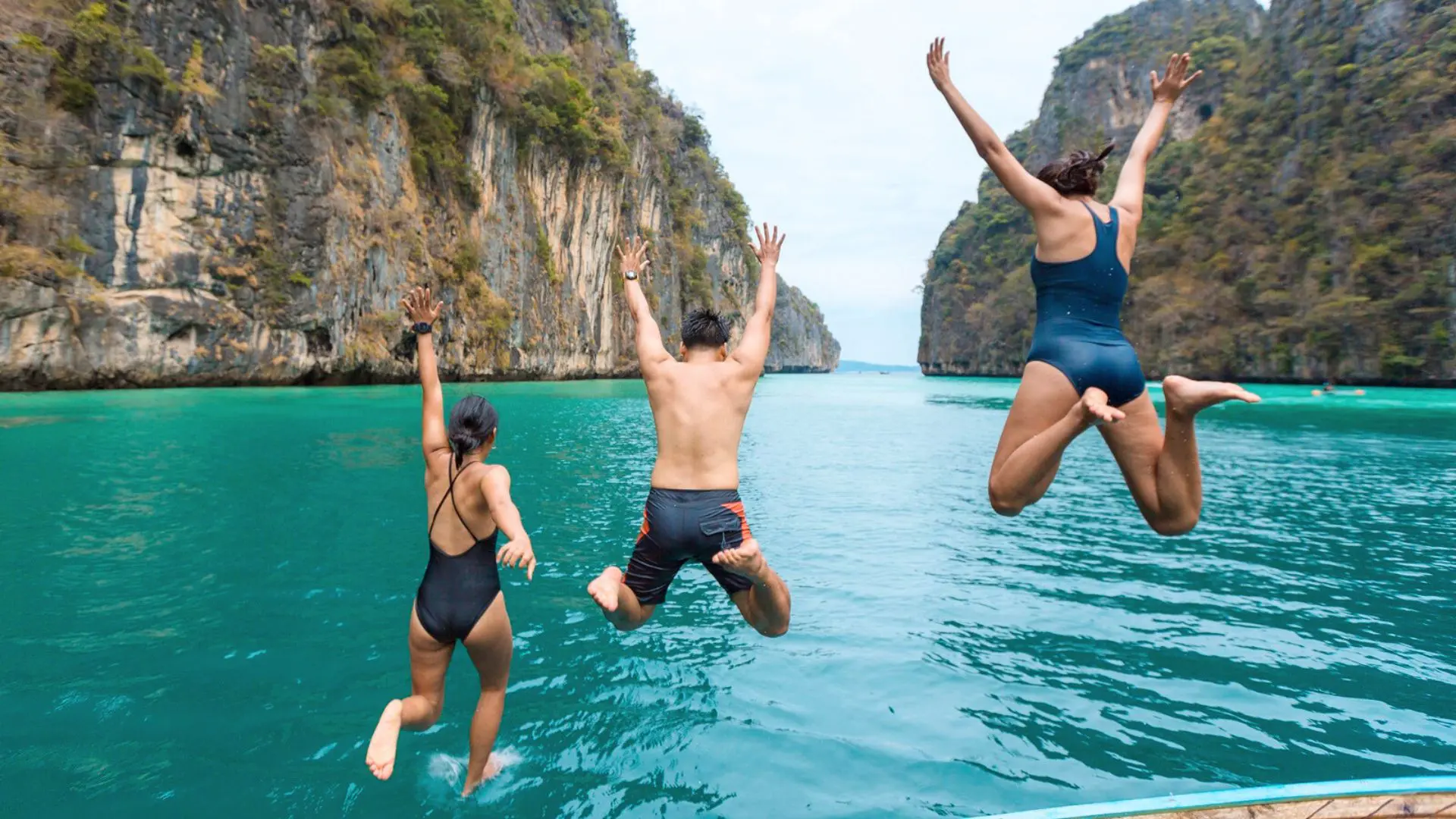
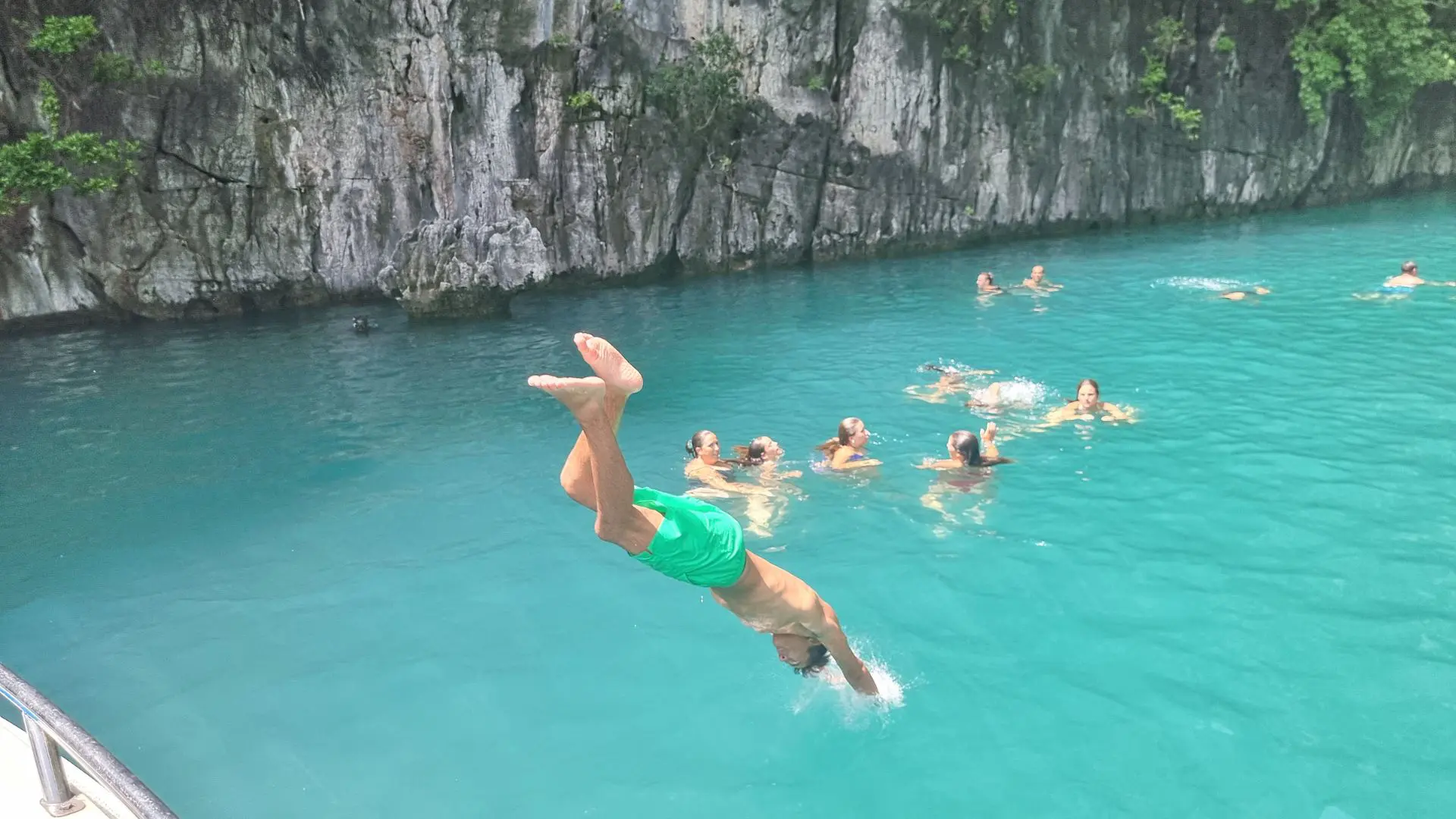
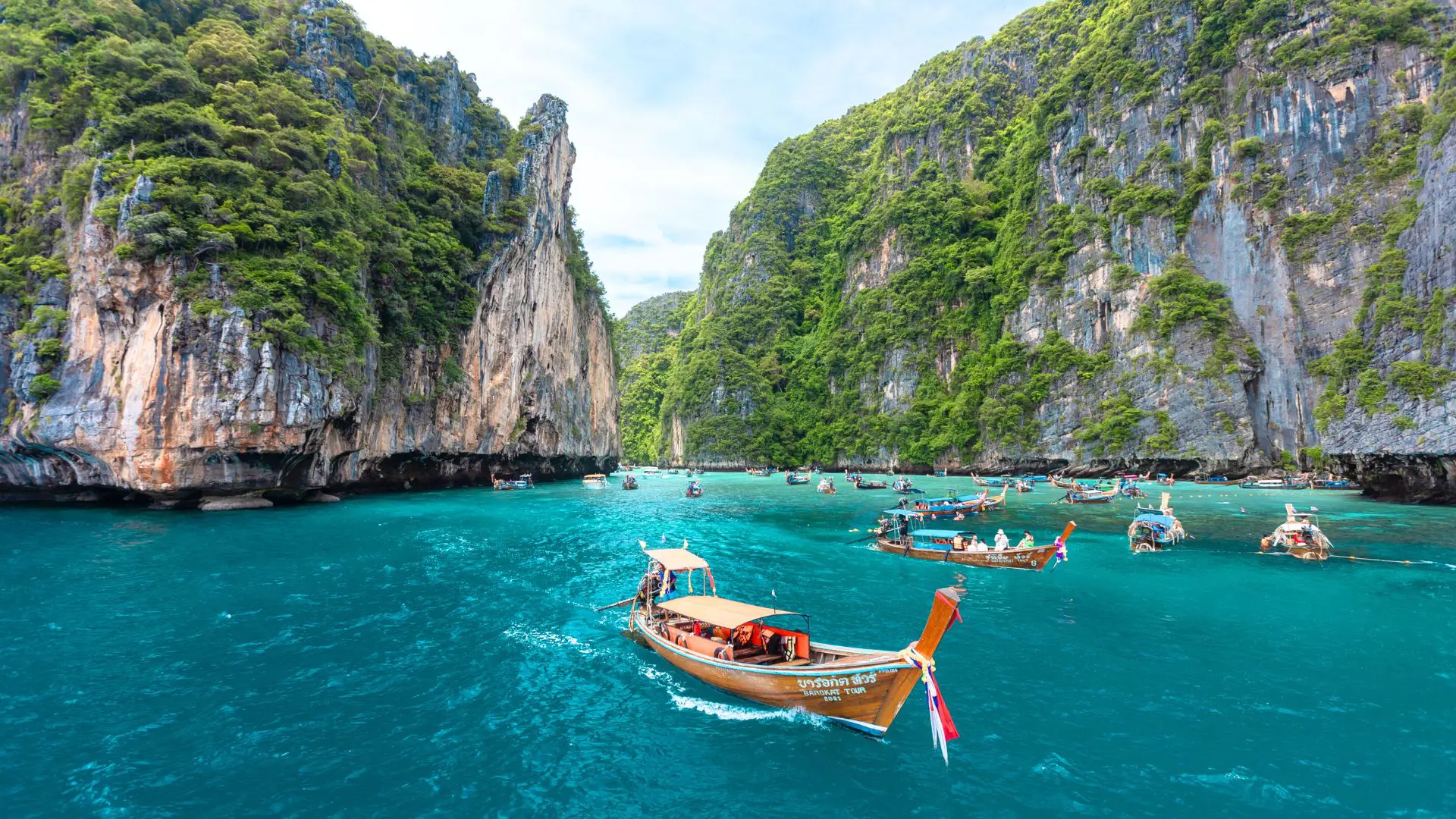
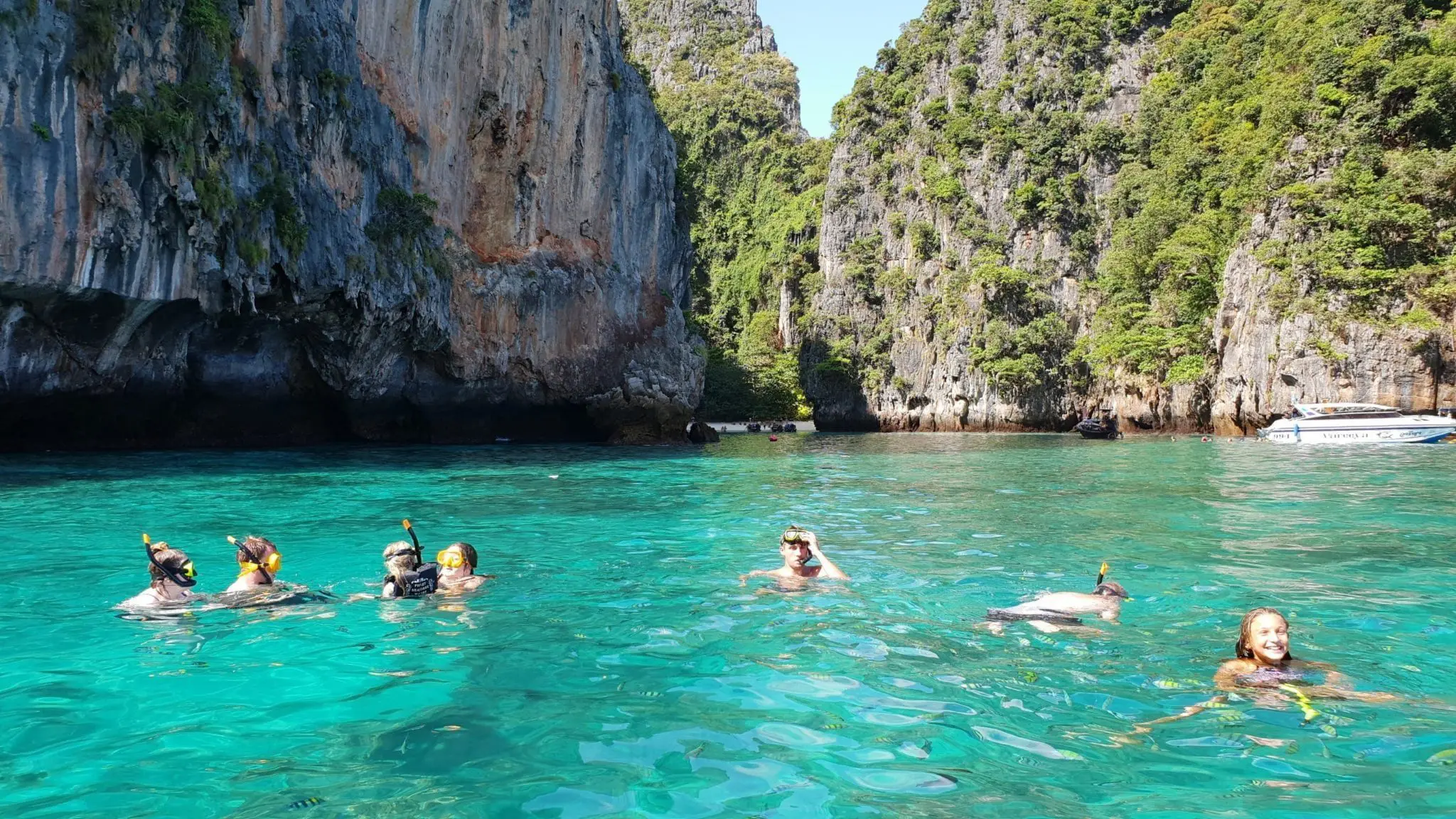
Pileh Lagoon: Known as the “Pool in the Sea”. Enjoy swimming in the emerald-green water surrounded by limestone mountains. The lagoon of Pileh (Pileh Lagoon), located on the island of Phi Phi Leh in Thailand, is a stunning natural emerald-colored pool surrounded by towering limestone cliffs. Formed millions of years ago by tectonic movements and water erosion, it historically served as a calm, safe refuge and as a fishing ground for the local sea nomads (chao ley), long before modern tourism.
MORE INFORMATION
PILEH LAGOON
-
Landscape and setting: It is famous for its breathtaking beauty. Surrounded by towering limestone cliffs and emerald-green waters, it offers a serene, picturesque setting. The contrast between the blue tones of the surface and the lush green of the rocks creates a perfect postcard.
-
Marine life and reefs: It is part of the Andaman Sea, known for its rich biodiversity. The lagoon is home to various species of fish and coral reefs that act as vital ecosystems for marine life and for the protection of the area.
-
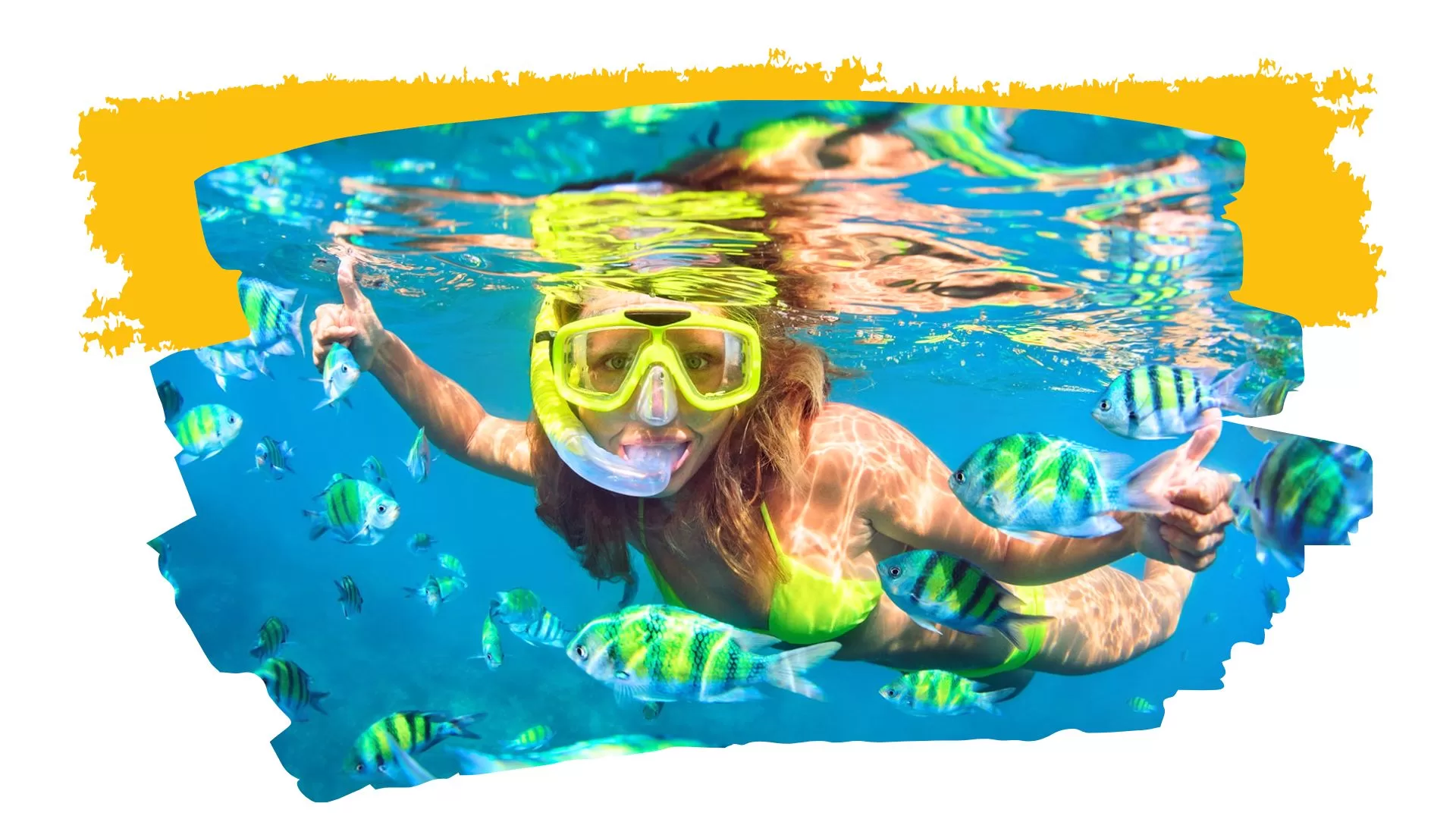
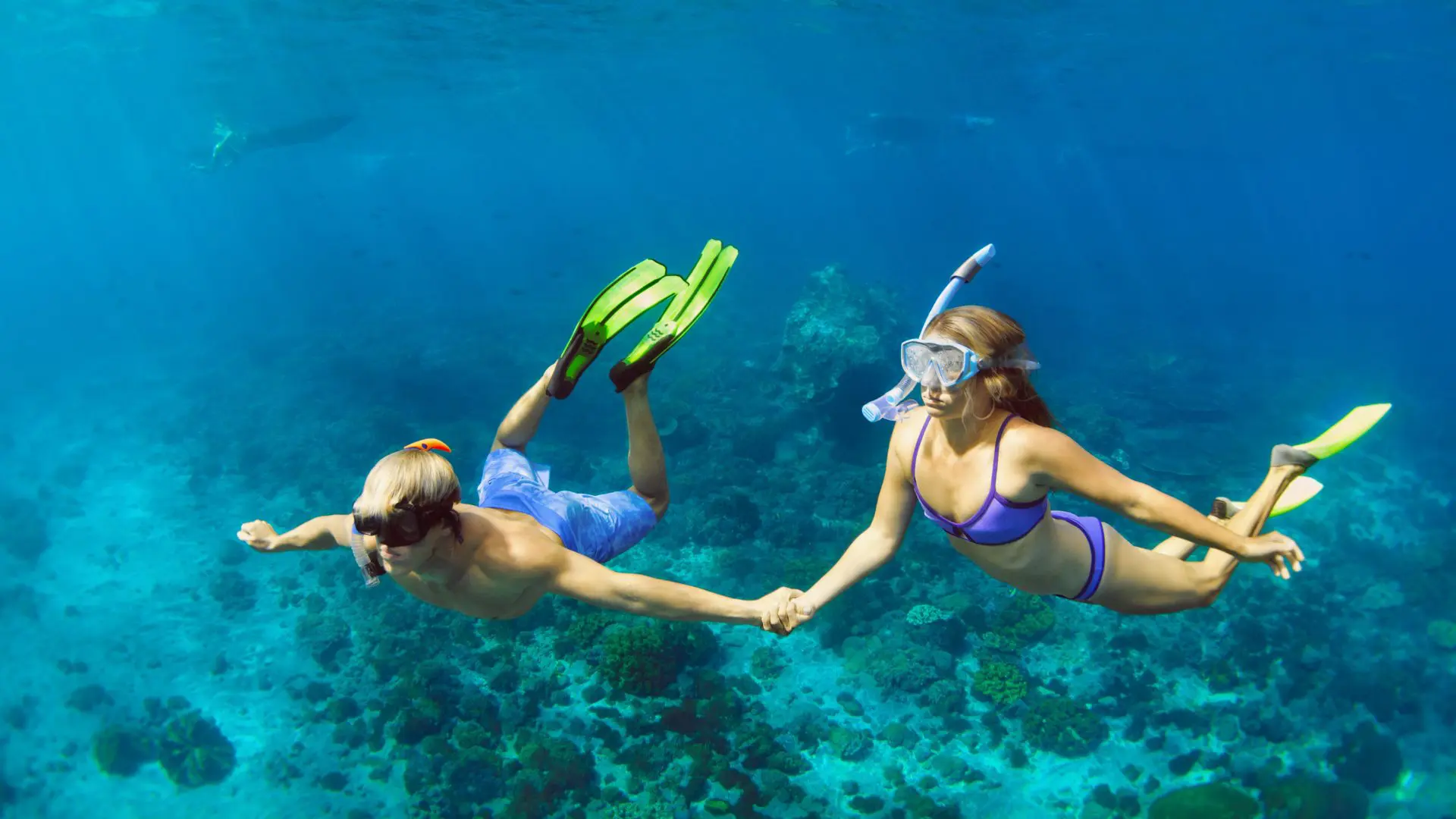
Crystal-clear waters: Its turquoise waters offer excellent visibility, making them irresistible for swimming and snorkeling while you watch the marine life beneath the surface.
-
Geological origin: It was formed over millions of years through processes of uplift, erosion and the growth of ancient coral reefs. These unique rock formations act as a natural barrier, creating an isolated, sheltered haven.
-
Photography and relaxation: It is the perfect setting to relax, enjoy the peaceful atmosphere and take spectacular photos. Whether from the boat or from the water, the colors and dramatic cliffs offer incredible shots from every angle.
VIKING CAVE
SIGHTSEEING
VIKING CAVE
MORE INFORMATION
-
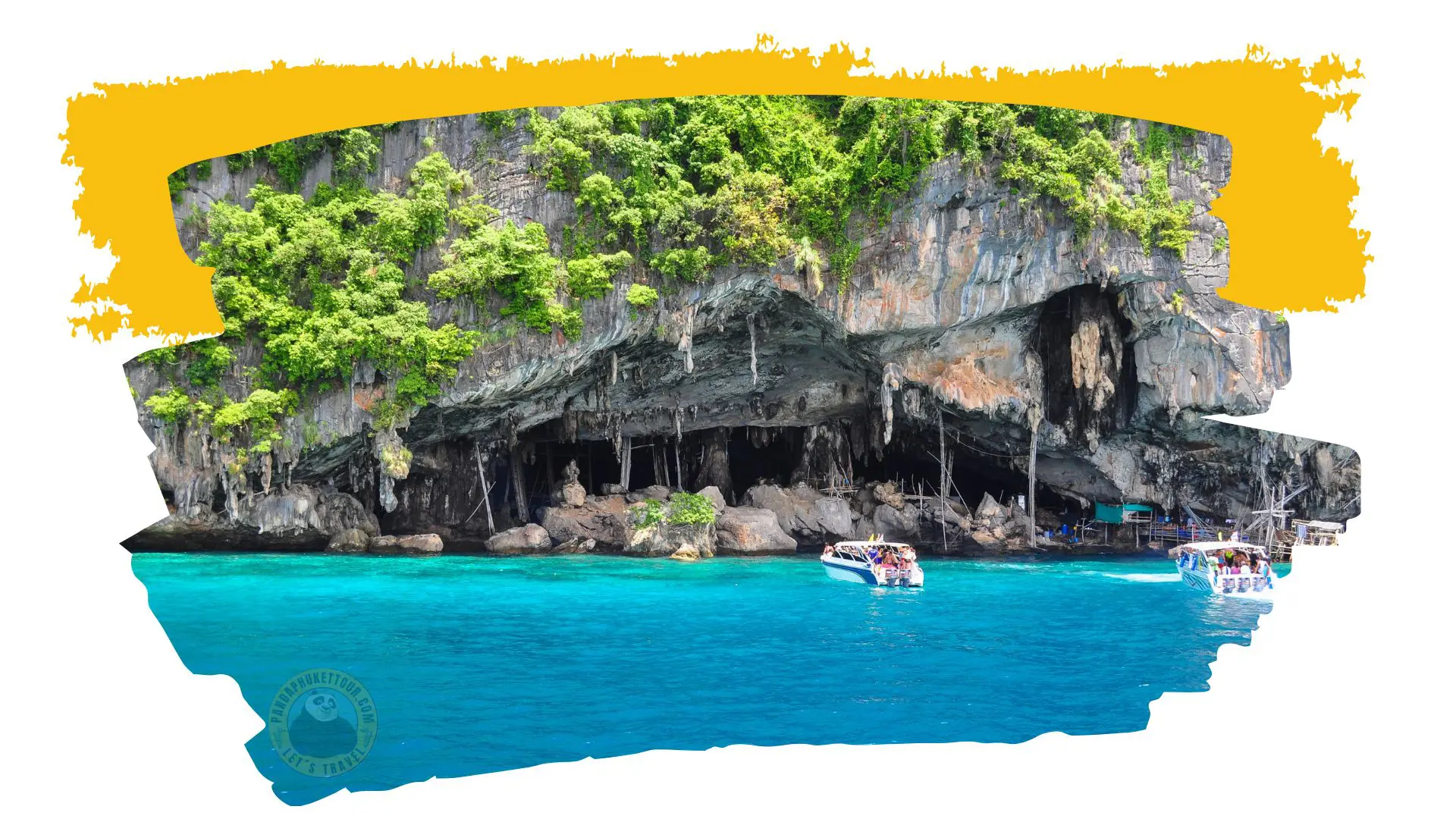
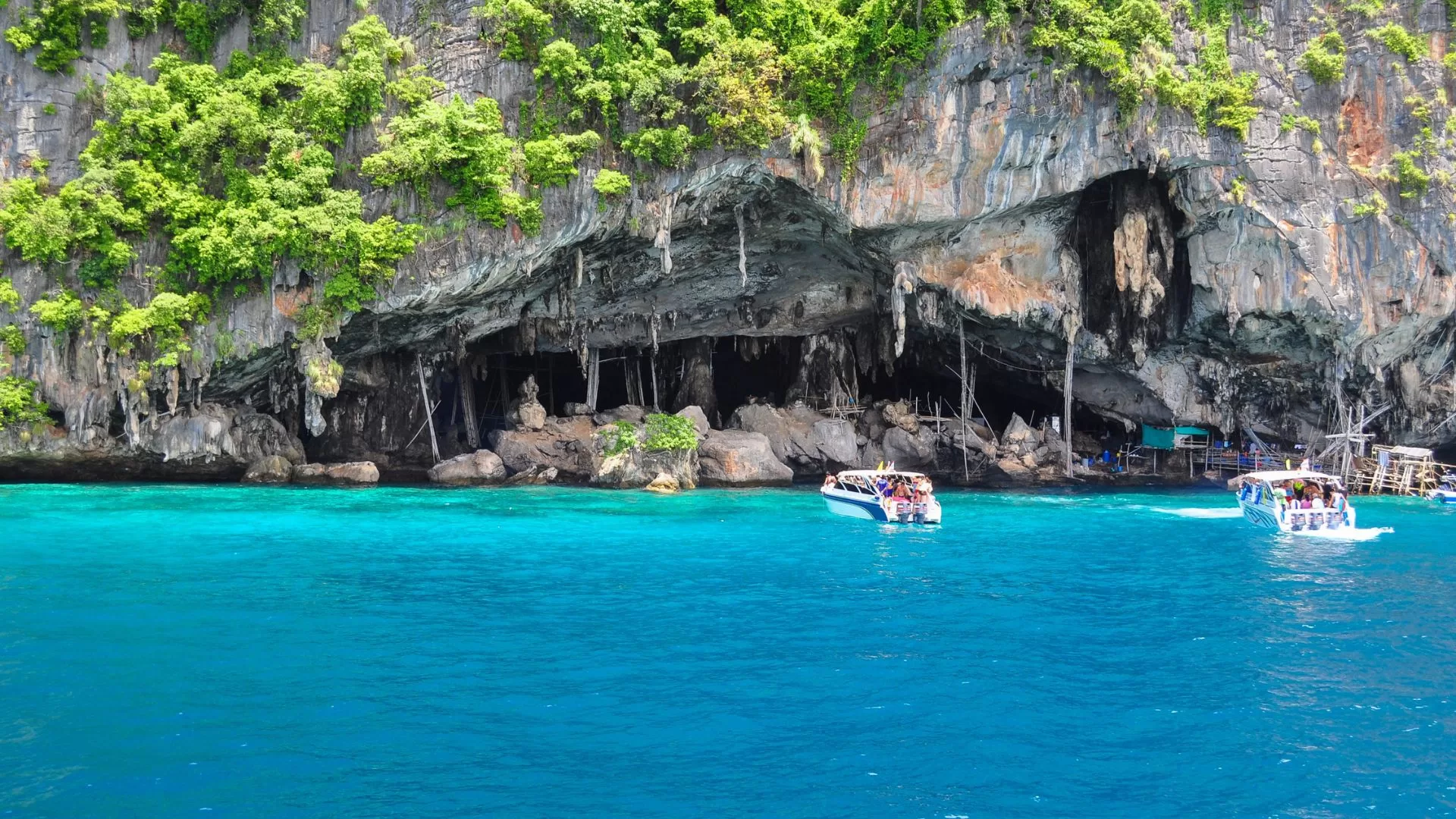
Origin of the name: It owes its name to the paintings on its walls that resemble Viking ships. The exact origin and purpose of these drawings remain uncertain, as there is no historical evidence linking the Vikings to the cave; the name simply reflects this visual resemblance.
-
Bird's nests (swiftlets): The cave is home to colonies of cave swiftlets, especially the edible-nest swiftlet (Aerodramus fuciphagus). These birds build their nests on the walls and ceilings using their own saliva, in a dark, sheltered environment. This saliva is highly prized for its culinary and medicinal properties in Chinese culture.
-
The “Chao Ley”: Historically, the harvesting of these nests has been linked to the local sea nomads (chao ley). This indigenous community has traditionally harvested the nests as part of its way of life, passing down its knowledge and techniques from generation to generation.
-
Geology and restricted access: It is a limestone cave featuring spacious galleries and intricate rock formations. Its interior is currently closed to the public to protect the bird population and preserve the ecological balance of the site.
-
Cultural significance: It holds great cultural value because of its close connection with the nest-harvesting traditions of local communities, which adds appeal and historical interest to this iconic site.
SNORKELING
SNORKELING TIME
PHI PHI DON
MORE INFORMATION
SNORKELING TIME
-
Population and history: In the late 1940s, Phi Phi Don was first settled by Thai fishermen of Malay origin and later became a coconut plantation. The resident population (between 2,000 and 3,000 people) is still more than 80% Muslim, although when seasonal workers are counted the total population is predominantly Buddhist.
-
International fame and impact: The islands rose to worldwide prominence when Koh Phi Phi Leh was used as the setting for the 2000 movie “The Beach” (The Beach). This sparked criticism over alleged environmental damage during filming and triggered a huge tourism boom that increased environmental degradation in the area. Phi Phi Leh is also home to the “Viking Cave”, known for its thriving edible bird's nest harvesting industry.
-
2004 tsunami: Koh Phi Phi was devastated by the Indian Ocean tsunami in December 2004, an event that destroyed almost all of the island's infrastructure.
BAMBOO ISLAND
BEACH TIME
BAMBOO ISLAND
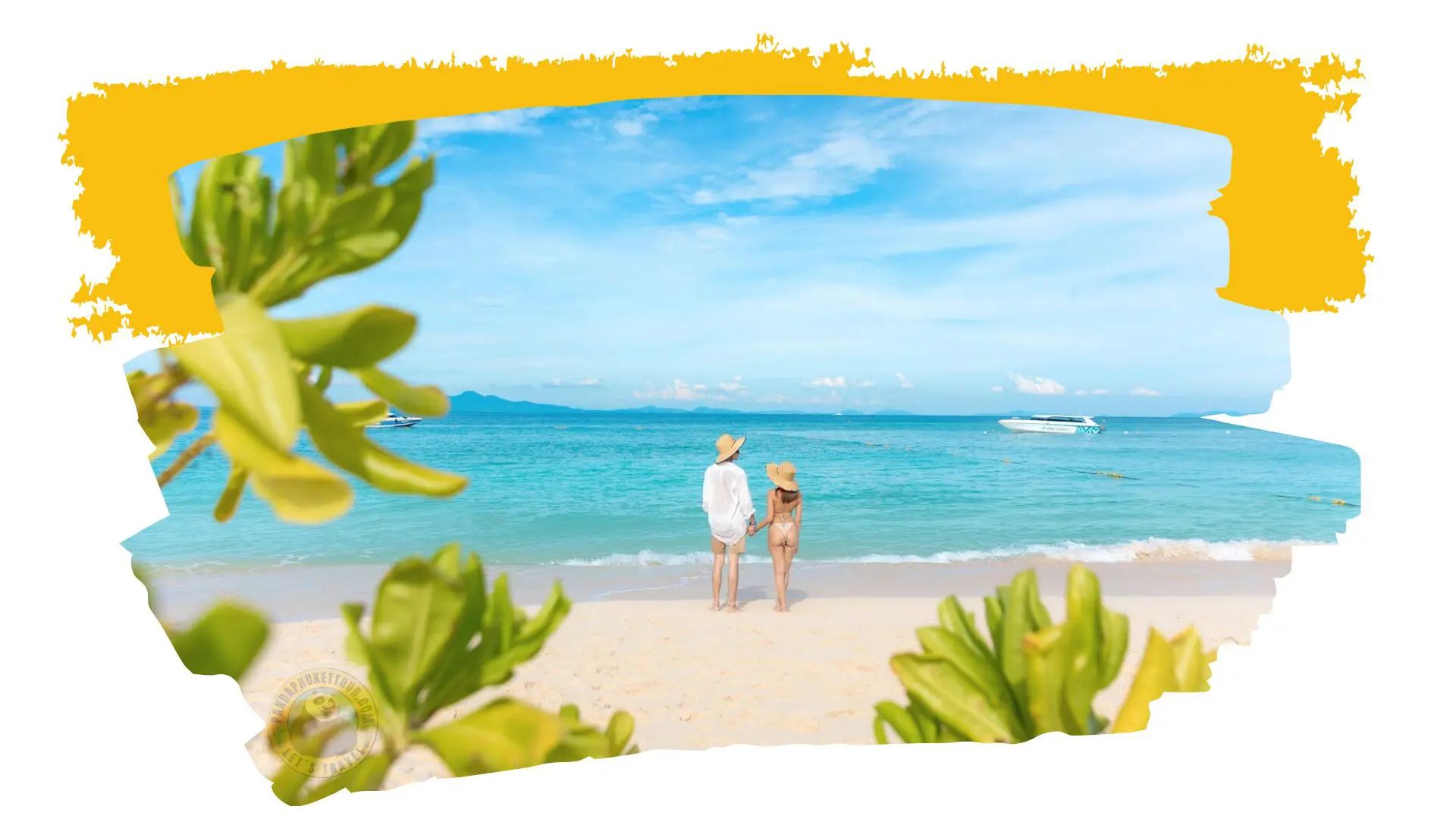
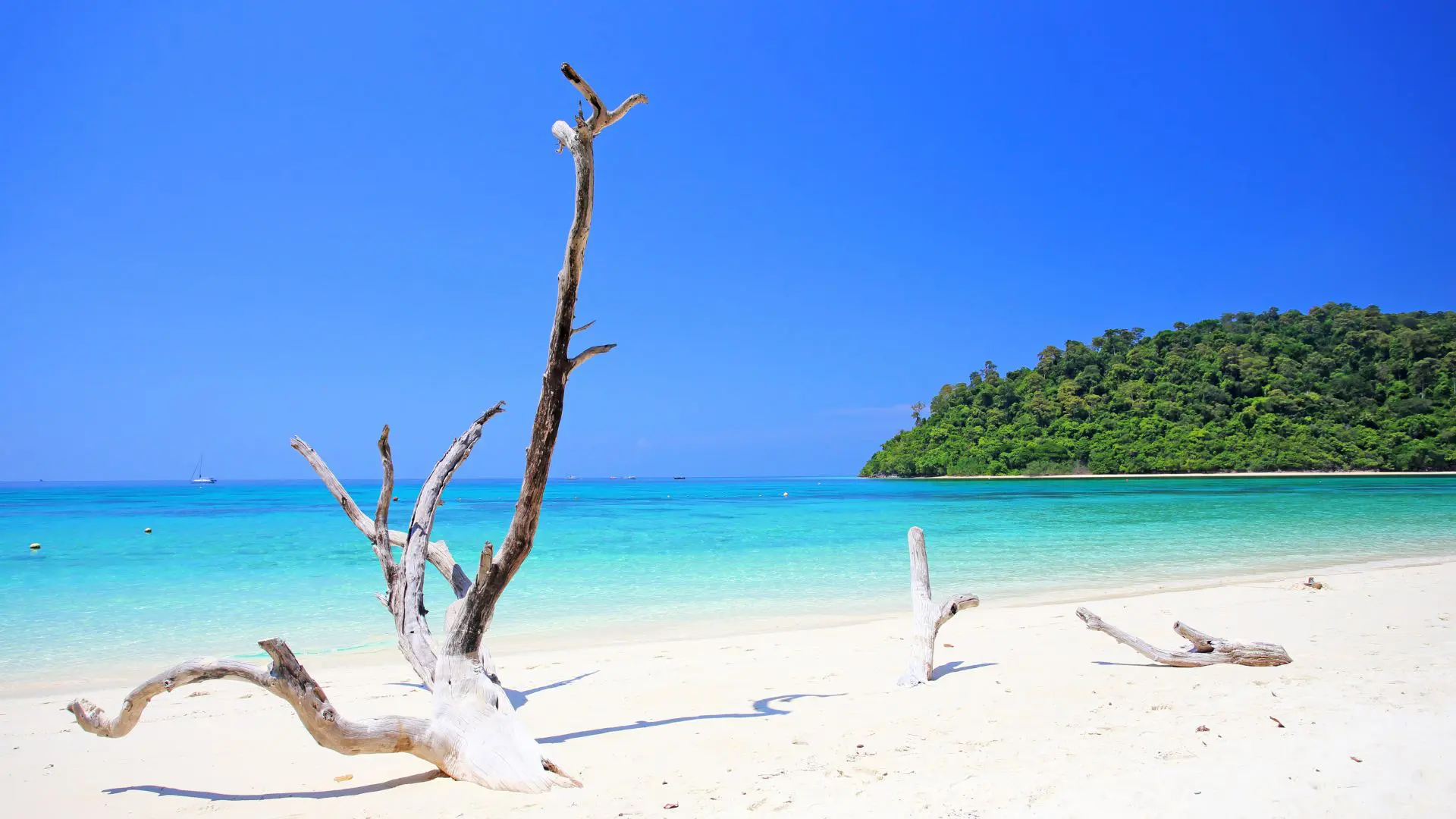
Bamboo Island: Heading to Bamboo Island, one of the most popular tourist attractions in the Andaman Sea, with a long curved beach and amazing white sand. Enjoy swimming and relaxing on the beach.
MORE INFORMATION
TIME
15:30 > Departure from Bamboo Island back to our pier.
16:30 > Return to the pier: transfer by van to the hotel.
-
Natural setting: It is characterized by pristine white-sand beaches, crystal-clear turquoise waters and lush vegetation, creating a picturesque tropical paradise.
-
Main activities: It is a very popular destination for day trips and snorkeling outings, giving visitors the chance to explore its vibrant coral reefs and abundant marine life.
-
History: Like many islands in the region, it was historically inhabited by sea gypsies (chao ley), who led a semi-nomadic lifestyle and depended on fishing for their livelihood. Over time, and with the growth of tourism in the area, Bamboo Island became a very popular tourist destination thanks to its natural beauty and tranquility.
-
Environmental protection: Together with its surrounding waters, it is part of Hat Noppharat Thara-Mu Ko Phi Phi National Park, established to protect the area's marine and land ecosystems.
-
Marine biodiversity: It has diverse marine life, including numerous species of corals, tropical fish and other organisms. Snorkeling and diving enthusiasts can witness the rich biodiversity of the coral reefs surrounding the island.
-
Flora and fauna: The island is home to several bird species (including migratory birds), and its vegetation consists of lush tropical plants such as bamboo and coconut palms.









PHI PHI ISLANDS FROM KRABI
GROUP TOUR
A new day-trip experience from Krabi: turn your vacation into unforgettable memories of the Andaman Sea. A great time on the beach, snorkeling and relaxing.
INCLUDES
INCLUDES:
-
Round-trip transfer
-
Drinking water and soft drinks
-
Seasonal fruits
-
Buffet lunch (Thai food)
-
Snorkeling gear (snorkel and mask)
-
Life jacket
-
Accident insurance
-
English speaking guide
NOT INCLUDED:
-
Entrance to the National Park
IMPORTANT INFORMATION:
-
The tour itinerary may change without notice depending on tides and weather.
-
Children and babies must be accompanied by an adult at all times.
-
Not recommended for people with heart conditions, pregnant women, people with back or neck problems or other serious health issues.
-
Please bring your own swimsuit, a change of clothes, towel, sunscreen, hat, sunglasses, camera, GoPro and personal medication.
-
Vegetarian option available; please let us know when booking if you need it.
PHI PHI ISLANDS BY SPEEDBOAT FROM KRABI
PHI PHI ISLANDS
THE EXPERIENCE
Koh Phi Phi, known as the kingdom of underwater flowers, is one of the most famous places to visit in Thailand, with many beautiful coastlines and white-sand beaches. On Koh Phi Phi, there are several must-see spots.
MORE INFORMATION
07:45 – 08:30 > Hotel / bungalow / resort pickup: AO NANG AREA ONLY
All times are approximate: they depend on the location of your accommodation, the tides and the weather. The exact pickup time will be confirmed after booking.
PHI PHI LEH
MAYA BEACH
Maya Bay: The mysterious crescent-shaped white-sand beach hidden within a huge limestone mountain, full of baby sharks. Its beauty ranks among the finest in the world, which is why it was chosen as the setting for the movie “The Beach.” (In August and September access will be closed and the bay will be viewed from outside).
MORE INFORMATION
THE BEACH
09:00 > Departure from the pier to Phi Phi Leh: Enjoy a breathtaking tour and scenery, with sheer stone cliffs and curved bays created by nature. Travel with our service-oriented team in a speedboat fully equipped with life jackets.
Maya Bay
-
Location: Maya Bay is located on the west coast of Koh Phi Phi Leh, which belongs to Krabi province, in the Andaman Sea, about 30 kilometers from the mainland.
-
Annual conservation closure: As a measure of environmental protection and ecological recovery, Maya Bay is closed to the public every year from August 1 to September 30.
-
History: The island of Phi Phi Leh has a long history of human settlement. Archaeological evidence suggests it has been inhabited since prehistoric times, as ancient tools and artifacts have been discovered in the area. It was traditionally inhabited by sea nomads known as “chao ley” or sea gypsies, who lived off fishing and the harvesting of swiftlet nests, coexisting in harmony with natural resources.
-
Geology: It lies in a region characterized by spectacular limestone karsts. These towering cliffs and rock formations are the result of millions of years of geological processes, including the uplift of ancient coral reefs, which give the bay its unique landscape.
-
Marine life: The waters around Maya Bay are home to varied marine life. The area's coral reefs support a rich ecosystem with numerous species of fish, invertebrates and marine plants.
-
Coral reefs: It has extensive reef systems of both hard and soft coral. These reefs are vital for marine life, as they provide shelter, food and breeding grounds. Their health and conservation are essential to maintaining the ecological balance of the bay.
-
The movie “The Beach”: The 2000 film showed the beauty of Maya Bay to the whole world. Its huge popularity led to a large influx of tourists seeking to experience the paradise portrayed on the big screen.
-
Visitor experience: To protect its corals, swimming and snorkeling are not allowed in Maya Bay: you can enjoy it by strolling along the beach and from the boat.
PILEH LAGOON
SWIMMING
Pileh Lagoon: Known as the “Pool in the Sea”. Enjoy swimming in the emerald-green water surrounded by limestone mountains. The lagoon of Pileh (Pileh Lagoon), located on the island of Phi Phi Leh in Thailand, is a stunning natural emerald-colored pool surrounded by towering limestone cliffs. Formed millions of years ago by tectonic movements and water erosion, it historically served as a calm, safe refuge and as a fishing ground for the local sea nomads (chao ley), long before modern tourism.
MORE INFORMATION
PILEH LAGOON
-
Landscape and setting: It is famous for its breathtaking beauty. Surrounded by towering limestone cliffs and emerald-green waters, it offers a serene, picturesque setting. The contrast between the blue tones of the surface and the lush green of the rocks creates a perfect postcard.
-
Marine life and reefs: It is part of the Andaman Sea, known for its rich biodiversity. The lagoon is home to various species of fish and coral reefs that act as vital ecosystems for marine life and for the protection of the area.
-
Crystal-clear waters: Its turquoise waters offer excellent visibility, making them irresistible for swimming and snorkeling while you watch the marine life beneath the surface.
-
Geological origin: It was formed over millions of years through processes of uplift, erosion and the growth of ancient coral reefs. These unique rock formations act as a natural barrier, creating an isolated, sheltered haven.
-
Photography and relaxation: It is the perfect setting to relax, enjoy the peaceful atmosphere and take spectacular photos. Whether from the boat or from the water, the colors and dramatic cliffs offer incredible shots from every angle.
SIGHTSEEING
VIKING CAVE: VIKING CAVE
MORE INFORMATION
-
Origin of the name: It owes its name to the paintings on its walls that resemble Viking ships. The exact origin and purpose of these drawings remain uncertain, as there is no historical evidence linking the Vikings to the cave; the name simply reflects this visual resemblance.
-
Bird's nests (swiftlets): The cave is home to colonies of cave swiftlets, especially the edible-nest swiftlet (Aerodramus fuciphagus). These birds build their nests on the walls and ceilings using their own saliva, in a dark, sheltered environment. This saliva is highly prized for its culinary and medicinal properties in Chinese culture.
-
The “Chao Ley”: Historically, the harvesting of these nests has been linked to the local sea nomads (chao ley). This indigenous community has traditionally harvested the nests as part of its way of life, passing down its knowledge and techniques from generation to generation.
-
Geology and restricted access: It is a limestone cave featuring spacious galleries and intricate rock formations. Its interior is currently closed to the public to protect the bird population and preserve the ecological balance of the site.
-
Cultural significance: It holds great cultural value because of its close connection with the nest-harvesting traditions of local communities, which adds appeal and historical interest to this iconic site.
SNORKELING TIME
PHI PHI DON
MORE INFORMATION
SNORKELING TIME
-
Population and history: In the late 1940s, Phi Phi Don was first settled by Thai fishermen of Malay origin and later became a coconut plantation. The resident population (between 2,000 and 3,000 people) is still more than 80% Muslim, although when seasonal workers are counted the total population is predominantly Buddhist.
-
International fame and impact: The islands rose to worldwide prominence when Koh Phi Phi Leh was used as the setting for the 2000 movie “The Beach” (The Beach). This sparked criticism over alleged environmental damage during filming and triggered a huge tourism boom that increased environmental degradation in the area. Phi Phi Leh is also home to the “Viking Cave”, known for its thriving edible bird's nest harvesting industry.
-
2004 tsunami: Koh Phi Phi was devastated by the Indian Ocean tsunami in December 2004, an event that destroyed almost all of the island's infrastructure.
BEACH TIME
BAMBOO ISLAND
Bamboo Island: Heading to Bamboo Island, one of the most popular tourist attractions in the Andaman Sea, with a long curved beach and amazing white sand. Enjoy swimming and relaxing on the beach.
MORE INFORMATION
TIME
15:30 > Departure from Bamboo Island back to our pier.
16:30 > Return to the pier: transfer by van to the hotel.
-
Natural setting: It is characterized by pristine white-sand beaches, crystal-clear turquoise waters and lush vegetation, creating a picturesque tropical paradise.
-
Main activities: It is a very popular destination for day trips and snorkeling outings, giving visitors the chance to explore its vibrant coral reefs and abundant marine life.
-
History: Like many islands in the region, it was historically inhabited by sea gypsies (chao ley), who led a semi-nomadic lifestyle and depended on fishing for their livelihood. Over time, and with the growth of tourism in the area, Bamboo Island became a very popular tourist destination thanks to its natural beauty and tranquility.
-
Environmental protection: Together with its surrounding waters, it is part of Hat Noppharat Thara-Mu Ko Phi Phi National Park, established to protect the area's marine and land ecosystems.
-
Marine biodiversity: It has diverse marine life, including numerous species of corals, tropical fish and other organisms. Snorkeling and diving enthusiasts can witness the rich biodiversity of the coral reefs surrounding the island.
-
Flora and fauna: The island is home to several bird species (including migratory birds), and its vegetation consists of lush tropical plants such as bamboo and coconut palms.
PHI PHI ISLANDS FROM KRABI
GROUP TOUR
A new day-trip experience from Krabi: turn your vacation into unforgettable memories of the Andaman Sea. A great time on the beach, snorkeling and relaxing.
INCLUDES
INCLUDES:
-
Round-trip transfer
-
Drinking water and soft drinks
-
Seasonal fruits
-
Buffet lunch (Thai food)
-
Snorkeling gear (snorkel and mask)
-
Life jacket
-
Accident insurance
-
English speaking guide
NOT INCLUDED:
-
Entrance to the National Park
IMPORTANT INFORMATION:
-
The tour itinerary may change without notice depending on tides and weather.
-
Children and babies must be accompanied by an adult at all times.
-
Not recommended for people with heart conditions, pregnant women, people with back or neck problems or other serious health issues.
-
Please bring your own swimsuit, a change of clothes, towel, sunscreen, hat, sunglasses, camera, GoPro and personal medication.
-
Vegetarian option available; please let us know when booking if you need it.
 Español
  Français
  English
  Italiano
  Português